

Modi Allies and Hindu Groups Push for Larger Families as India’s Fertility Rate Falls
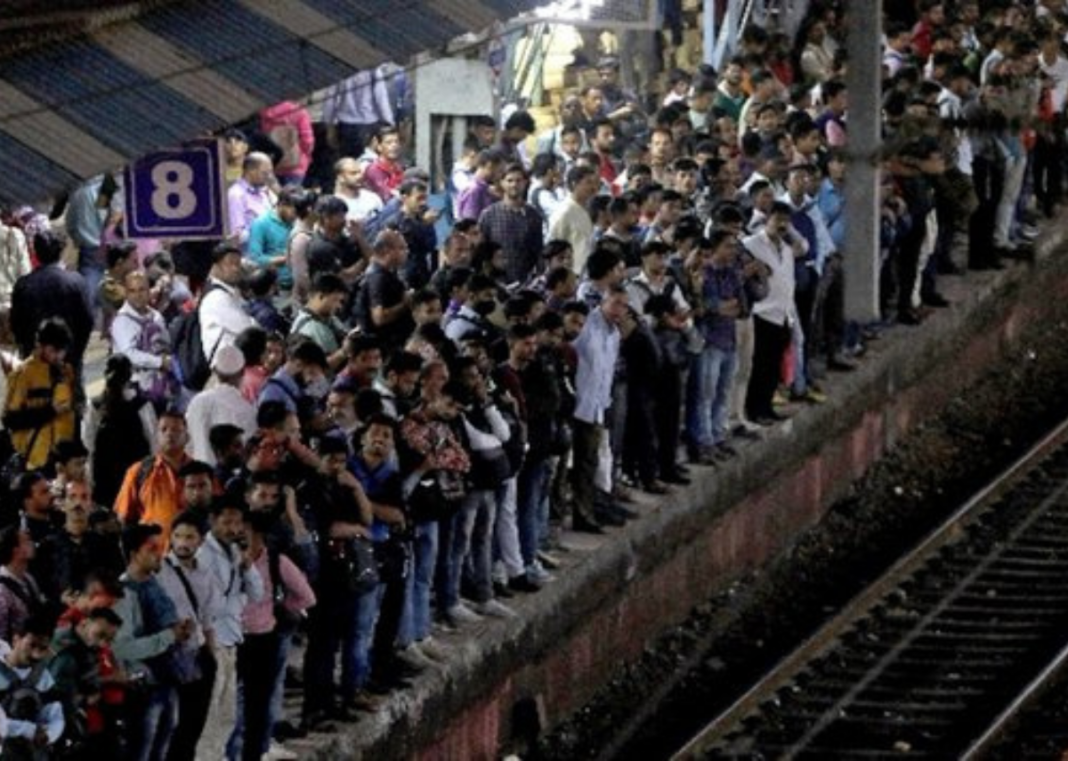
Indian state governments and religious groups aligned with Prime Minister Narendra Modi are actively promoting larger families and introducing financial incentives to reverse a declining birth rate, Reuters reported on May 18. The push is coming even as India remains the world’s most populous country, with 1.42 billion people, and continues to grapple with high youth unemployment.
The southern state of Andhra Pradesh, ruled by a coalition of a regional party and Modi’s party, said over the weekend it would offer a one-time cash incentive of 30,000 rupees ($311) for a third child and 40,000 rupees for a fourth, revising an earlier proposal for 25,000 rupees for a second child and no direct support for a firstborn. The state did not say when the plan would take effect. South China Morning Post
The small northeastern state of Sikkim has also urged families to have more children, offering incentives including year-long maternity leave, month-long paternity leave, and financial support for in-vitro fertilisation. MarketScreener
The Fertility Numbers Behind the Push
India’s total fertility rate — the average number of children per woman — declined to 2 in the 2019/21 government assessment period, down from 3.4 in 1992/93, due to increasing use of contraceptives and rising education among females. A rate of 2.1 is required for the population to replace itself, the government estimates. MarketScreener
That drop below replacement level is what is driving the new policy push. Even though the United Nations projects India’s population will keep rising for about four decades, peaking at around 1.7 billion, some policymakers and Hindu groups say the shift away from smaller families should begin now, including through government financial support. South China Morning Post
What Officials Are Saying
Andhra Pradesh Chief Minister Chandrababu Naidu framed the incentives as a necessary course correction. “In the past, we worked extensively on family planning,” he said. “Now, given the changed circumstances, we are calling for children to be seen as wealth.” The Star
The Rashtriya Swayamsevak Sangh — the RSS, a powerful Hindu nationalist organisation from which Modi’s Bharatiya Janata Party emerged — has also formally backed the call for larger families. RSS General Secretary Dattatreya Hosabale told reporters last week: “We say that India is a country of youngsters… but slowly, the TFR is coming down. Demographic imbalances will create tensions.” Free Malaysia Today
The RSS, with tens of millions of members and a direct ideological link to the ruling party, carries significant political weight. Its public endorsement of pro-natalist policies gives the movement a reach well beyond individual state governments.
The Unemployment Complication
The pro-natalist push sits uneasily alongside the country’s employment data. India’s overall unemployment rate for those aged 15 and above was 3.1% in 2025, according to government data, but among those aged 15 to 29 it was considerably higher at 9.9%, including 13.6% in urban areas and 8.3% in rural regions. MarketScreener
Critics of the larger-family drive have pointed to this disparity. Encouraging more births while a significant proportion of young people cannot find work presents a structural tension that neither Modi’s government nor its allied groups have publicly addressed in their pro-natalist statements.
Regional and Global Significance
India’s demographic shift mirrors trends seen in other major economies — South Korea, Japan, China, and parts of southern Europe — where declining fertility rates have prompted governments to introduce cash payments, extended parental leave, and other incentives to raise birth rates. Chief Minister Naidu said falling birth rates in many countries were leading to ageing populations and economic strain, framing Andhra Pradesh’s intervention as part of a broader global pattern rather than a domestic peculiarity. South China Morning Post
The RSS’s framing goes further, raising the prospect of demographic competition within India’s diverse population. Hosabale’s reference to “demographic imbalances” creating “tensions” carries a communal subtext widely understood in Indian public discourse as a reference to differential fertility rates between Hindu and Muslim communities — a narrative the BJP and RSS have amplified repeatedly in recent years. Reuters reported the RSS statements without additional government clarification on what specific “imbalances” were meant.
Background
India overtook China as the world’s most populous country in 2023, according to UN data. For decades, Indian governments ran extensive family planning campaigns — some coercive — to bring down birth rates, particularly in the 1970s under Prime Minister Indira Gandhi’s emergency rule. The fertility rate has fallen steadily since the 1990s, driven largely by urbanisation, female education, and expanded access to contraception. Southern Indian states, including Andhra Pradesh and Tamil Nadu, have historically had lower fertility rates than northern states such as Uttar Pradesh and Bihar, creating a regional divide that also bears on parliamentary seat allocations.
What Happens Next
Andhra Pradesh has not announced an implementation date for its cash incentive scheme, according to Reuters. The state government is expected to formalise the policy structure before rolling it out. No national-level legislation or central government scheme has been announced by Modi’s administration. Whether other BJP-ruled states follow Andhra Pradesh and Sikkim’s lead will depend in part on how the RSS’s public campaign develops over the coming months. India’s next national census — delayed from its original 2021 schedule — is expected to provide updated fertility and demographic data that will shape any future federal policy response.