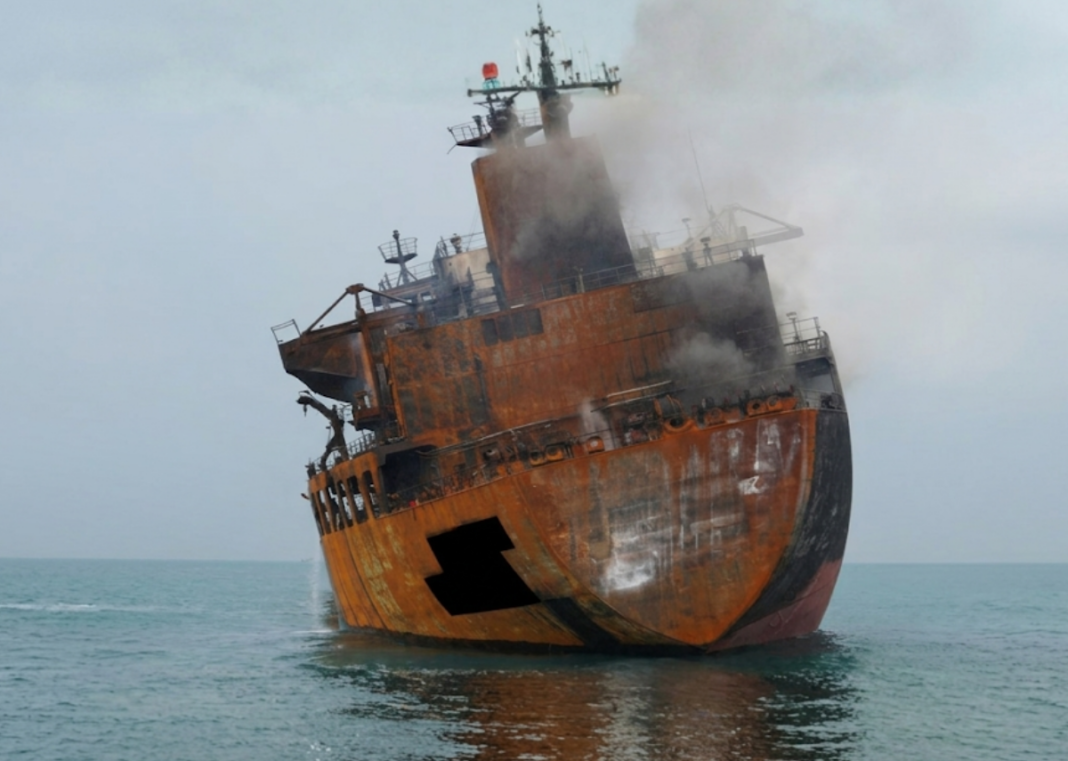


Currently, the disruptions at the Strait of Hormuz pose the biggest global economic threat since the last few years, leaving African nations as some of the most vulnerable regions. The strategic location for the transport of fuel, food, and fertilizers becomes increasingly unstable, resulting in growing risks for the economies of the importing countries.
The Strait of Hormuz is an important waterway that connects the Persian Gulf to the rest of the world. It is one of the important shipping lanes in the world and a lot of oil and gas are transported through it. When there is a problem with this route it affects the world especially when it comes to energy and food.
Global disruption and rising prices
The current problem started because of conflicts in the Middle East which made it hard for ships to pass through the Strait of Hormuz. This has reduced the amount of oil that is being transported. As a result fuel prices have gone up all over the world. The price of oil and gas is changing a lot. It is hard to predict what will happen next.
This is not a problem for the energy market. The production and transportation of fertilizers which are important for farming have also been affected. A lot of fertilizers are made in the Gulf region. Many countries rely on them to grow food. Because of this the price of food is going up. It is hard for some countries to afford the food they need.
The United Nations and other organizations are saying that this is not an energy problem it is a bigger issue. This issue is affecting a lot of things like trade and prices and the economy. The world is not doing much trading as it did before. Some countries are having a time because they have to pay more money for the things they need to import. The United Nations and other organizations think that this is a deal. The world is. The United Nations and other organizations are warning that trade is not the same. The United Nations and other organizations are talking about how this affecting the economy and prices and trade.
Why African countries are vulnerable
African countries are being affected a lot by this problem. Many of them rely on imported goods, such as fuel, food and fertilizers. When the price of these things goes up it is hard for them to afford them. This puts a lot of pressure on the countries and the people who live there.
Some studies have shown that countries that do not have a lot of money and rely heavily on imported goods are the ones that are being affected the most. In African countries fuel is a big part of the budget so when the price of fuel goes up it affects everything.
The cost of fertilizers is an issue. Many African farmers depend on imported fertilizers for their crops. When fertilizer prices rise it gets tough for them to afford. This can cause crops to grow less and food to cost more. Fertilizer prices directly affect farmers. They struggle to buy fertilizers when prices go up. As a result crops do not grow well. This leads to less food being higher prices for food.
Farmers in Africa face challenges due to fertilizer costs. Imported fertilizers are often. Expensive. When prices increase farmers find it hard to buy what they need. This impacts their crop yields. The price of fertilizers is a problem.
- Many farmers, in Africa use imported fertilizers.
- When fertilizer prices go up farmers struggle to afford them.
- This leads to crop yields and higher food prices.
Even fertilizer cost is high. African farmers rely on buying fertilizers from countries. When prices rise it is hard for them to afford. So they grow crops. Food then costs more.
Economic and social consequences
The fuel, food and fertilizer prices are causing a lot of trouble. They are affecting not one area but many parts of the economy and society. Many African countries are spending more on imports, which is making their trade deficits bigger. This is also affecting their currencies making it harder for them to buy what they need.
Governments are trying to help by giving subsidies.. It’s hard to keep doing this. Some people are already feeling the effects of prices and its hard for them to afford what they need. Small businesses are also being hit, because they rely on fuel and electricity to operate. Fuel prices are going up. Thats a big problem. Food and fertilizer prices are also rising.
Many African countries are struggling with these rising costs. They are spending more on imports. This is making their trade deficits bigger. Trade deficits are a problem. They are affecting their currencies. Currencies are important. They need to be strong.
Governments are trying to help. They are giving subsidies. Subsidies are helpful.. They can’t last forever. People are feeling the pinch. They are struggling to afford things. Small businesses are struggling too. They need fuel and electricity to operate.
Global context of the crisis
The problem with the Strait of Hormuz is one of the disruptions to the global energy market in a long time. It is affecting not the energy market but also shipping routes, insurance costs and supply chains. This is making it hard for countries to get the things they need. It is driving up prices.
While there have been some solutions the problem is still not fixed. Analysts are warning that even short-term closures can have lasting effects as it takes time for supply chains to recover.
Response from governments and international organizations
African governments are trying to reduce the impact of the crisis by giving subsidies and controlling prices. However they do not have a lot of money to do this. It is hard to keep it up. International organizations are calling for help for vulnerable countries, including financial aid and food assistance.
Some experts believe that this crisis shows African countries need to find ways to get energy and make their fertilizers. African countries need to do this so they can rely less on countries. This will help reduce the impact of disruptions on African countries. African countries will be better, off if they make their fertilizers and get their own energy.
Outlook
The situation is still not clear as there are still conflicts in the Middle East that are affecting the Strait of Hormuz. Even though there have been some solutions the risk of more disruptions is still high.
For countries this crisis is not just a short-term problem but also a warning about how vulnerable they are to global disruptions. If they do not find ways to be more resilient they may face problems in the future whenever there are disruptions, to global trade routes. The Strait of Hormuz crisis is a problem and it is affecting the Strait of Hormuz and many countries that rely on the Strait of Hormuz.