

Iranian Foreign Minister Abbas Araghchi said on Friday that Tehran has “no trust” in negotiations with the United States and warned that access through the Strait of Hormuz would remain restricted for countries “waging war” against Iran. According to Reuters, Araghchi made the remarks in New Delhi while attending a meeting of BRICS foreign ministers amid stalled efforts to secure a permanent ceasefire between Iran, the US, and Israel.
Reuters reported that Araghchi said Iran would continue diplomatic engagement only if Washington demonstrated serious intent during negotiations. Talks mediated by Pakistan have been suspended after Tehran and Washington rejected each other’s latest proposals last week, according to Reuters.
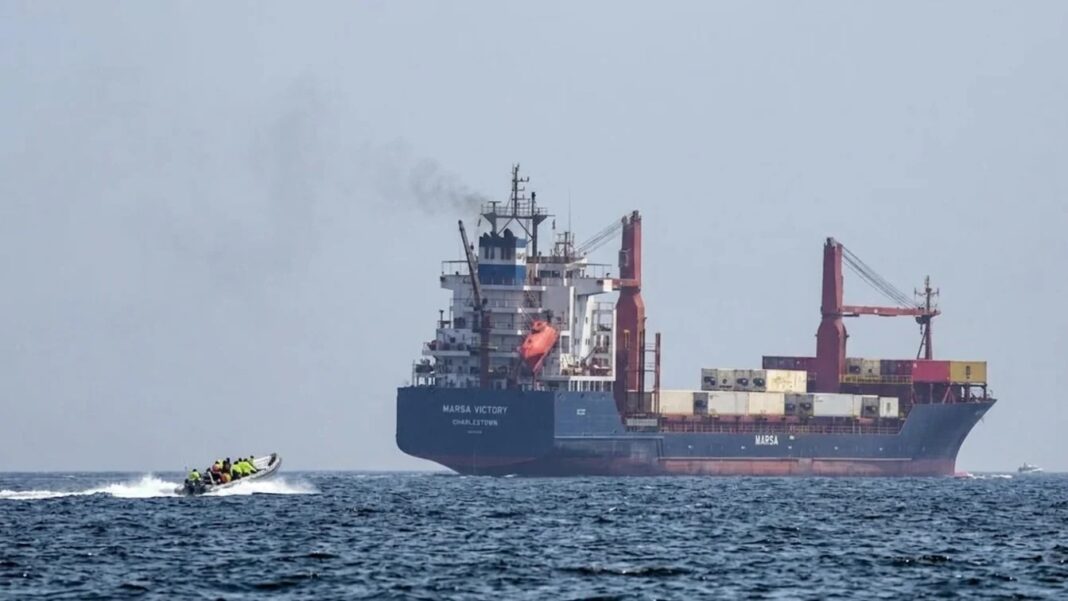
“All vessels can pass through the Strait of Hormuz except those at war with Tehran,” Araghchi told reporters in New Delhi, according to Reuters. He added that ships seeking passage through the waterway should coordinate with Iranian naval authorities because the situation around the strait remained “very complicated.”
The Strait of Hormuz handles a significant share of the world’s oil and liquefied natural gas shipments. Reuters said Iran effectively restricted most shipping traffic after conflict with the United States and Israel escalated earlier this year.
Iranian officials have repeatedly stated in recent months that the waterway remains open to countries Tehran does not consider hostile. According to Iran’s Press TV, Araghchi said on Thursday that Iran had “made no obstacles in the strategic waterway” and continued allowing commercial vessels to pass in coordination with Iranian naval forces.
The Iranian foreign minister accused Washington of creating instability in the region. “The Strait of Hormuz is now suffering first and foremost from the US aggression and the blockade that they have imposed on it,” Araghchi told Press TV on the sidelines of the BRICS meeting, according to the broadcaster.
US President Donald Trump said earlier on Friday that his administration’s patience with Iran was “running out,” Reuters reported. Trump also agreed during discussions with Chinese President Xi Jinping that Tehran should reopen unrestricted access through the Strait of Hormuz, according to Reuters.
The current dispute centers on maritime access, Iran’s nuclear program, and the future of ceasefire negotiations. Reuters reported that Tehran is attempting to preserve the ceasefire while remaining prepared to resume military operations if diplomacy collapses.
Iranian officials have maintained that countries considered “friendly” may continue using the strait after coordination with Iranian authorities. According to The Indian Express, Araghchi previously said that India, China, Russia, Pakistan, and Iraq were among countries granted safe passage arrangements through the waterway.
Ali Mousavi, Iran’s representative to the International Maritime Organization, also stated in March that ships linked to Iran’s “enemies” would not be allowed unrestricted passage. Reuters, cited by Arab News, reported that Mousavi said Tehran remained willing to cooperate with international maritime agencies to improve safety in the Gulf region.
Regional energy markets remain sensitive to developments around the Strait of Hormuz because the route previously carried roughly one-fifth of global seaborne oil and gas exports, according to Reuters. Shipping insurers and commercial operators have continued treating the area as a high-risk maritime zone following the conflict between Iran, the US, and Israel.
The dispute has also increased diplomatic pressure on regional states attempting to mediate between Tehran and Washington. Reuters reported that Pakistan’s mediation process has not collapsed completely but remains in difficulty after the latest round of rejected proposals.
Background
The United States and Iran announced a ceasefire last month after weeks of confrontation involving US and Israeli military operations against Iranian targets, according to Reuters. Since then, indirect negotiations have focused on preventing renewed conflict and restoring maritime access through the Strait of Hormuz.
Iran has repeatedly denied that the strait is fully closed, while simultaneously restricting passage for vessels linked to countries it considers hostile. Iranian officials have argued that regional insecurity stems from US and Israeli military actions rather than Iranian naval policy.
Commercial shipping traffic through the strait has remained below normal levels because insurers continue to classify the corridor as a war-risk zone. Several international shipping companies have rerouted vessels or delayed transit through the Gulf in response to security concerns.
What Happens Next
Reuters reported that indirect mediation efforts are expected to continue despite the suspension of formal negotiations between Tehran and Washington. Pakistani officials remain involved in attempts to revive talks aimed at securing a permanent agreement.
Iranian officials have indicated they will maintain conditional access through the Strait of Hormuz while monitoring military activity involving the United States and Israel. US officials, meanwhile, continue pressing Tehran to restore unrestricted navigation through the waterway.
No date has been announced for a new round of direct or indirect talks. Reuters said both sides remain divided over Iran’s nuclear program and long-term maritime security arrangements in the Gulf.