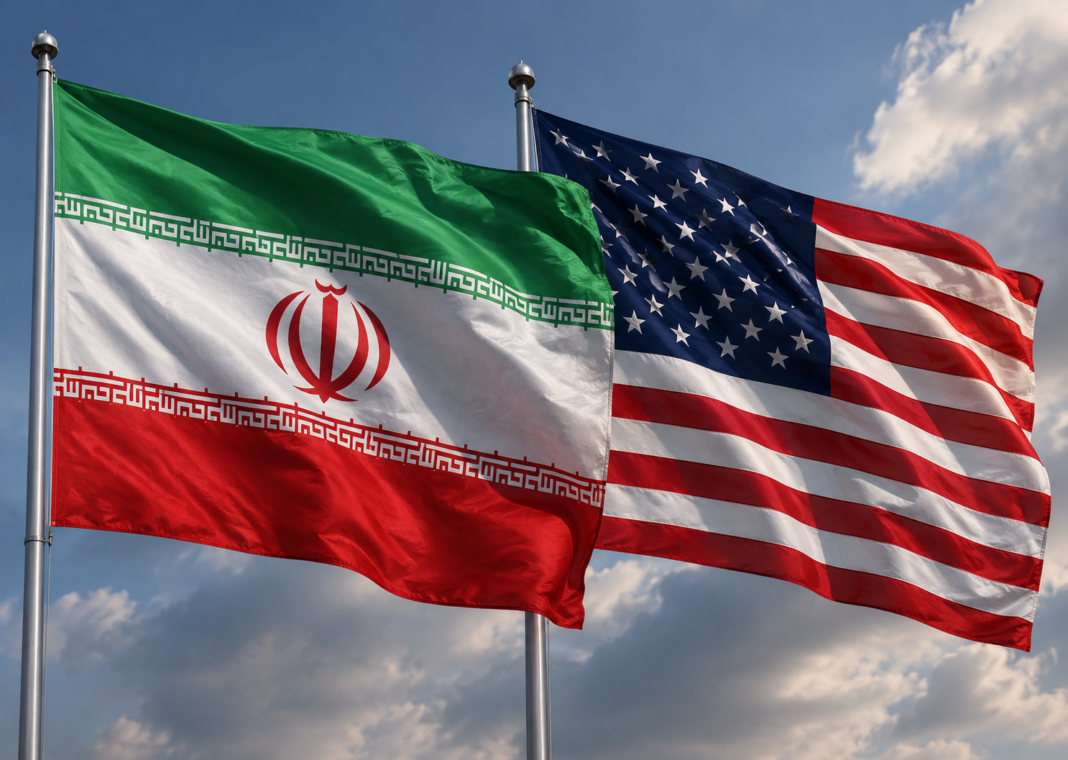

Iran is expected to issue its formal response to a US-backed diplomatic proposal as clashes intensify in and around the Strait of Hormuz amid rising regional tensions on May 9, 2026. The developments come as maritime tensions rise in one of the world’s most critical energy corridors, involving Iranian and opposing regional forces. The situation has triggered heightened international concern over the potential for wider escalation.
Body
The latest escalation centers on renewed confrontations in the Strait of Hormuz, a strategic waterway that handles nearly one-fifth of global oil shipments. According to Al Jazeera’s liveblog update, intermittent exchanges and maritime disruptions have been reported in the region, prompting increased naval monitoring by multiple international actors.
Diplomatic pressure is simultaneously building on Tehran to formally respond to a US-supported proposal aimed at reducing regional hostilities. While details of the proposal have not been fully disclosed publicly, diplomatic sources indicate that it includes provisions related to maritime security, sanctions relief mechanisms, and de-escalation commitments in the Gulf.
The timing of Iran’s expected response is seen as critical, as it coincides with continued instability in the region. Analysts note that any rejection or conditional acceptance of the proposal could significantly influence the trajectory of tensions in the Gulf.
A senior regional security analyst, speaking to international media, stated:“The Strait of Hormuz remains the most sensitive maritime chokepoint in the world, and any escalation there has immediate global economic consequences.”
An Iranian foreign policy spokesperson was also cited in reporting around the developments, stating:“Iran will respond to any diplomatic initiative based on its national interests and the respect of its sovereignty.”
Meanwhile, defense officials in multiple countries have reportedly increased surveillance operations in adjacent waters. According to regional security briefings referenced in international coverage, naval assets from several states are maintaining a heightened presence to ensure the protection of commercial shipping lanes.
Quotes Section
A Western diplomatic official involved in regional discussions said:“We are closely monitoring the situation in the Strait of Hormuz, and all parties are being urged to avoid actions that could further destabilize maritime security.”
A Middle East policy expert commented: “The next Iranian statement will be pivotal. It could either open a narrow window for negotiation or accelerate confrontation dynamics already visible in the Gulf.”
Regional and Global Impact
The ongoing tensions in the Strait of Hormuz carry significant implications for global energy markets, given the volume of crude oil and liquefied natural gas transported through the corridor daily. Any disruption in shipping routes could lead to increased volatility in oil prices, affecting economies in Asia, Europe, and North America.
Countries heavily dependent on Gulf energy exports are closely monitoring developments, particularly importers in East Asia. Shipping insurers and logistics operators have also reportedly adjusted risk assessments for vessels transiting the region.
Regional governments in the Gulf are expected to maintain elevated security readiness, while international naval coalitions may expand coordination efforts if the situation deteriorates further.
Background
The Strait of Hormuz has long been a focal point of geopolitical tension involving Iran, Gulf Arab states, and Western powers. Historically, disputes over sanctions, nuclear negotiations, and maritime security have periodically escalated into military standoffs and diplomatic crises.
In recent years, the area has witnessed multiple incidents involving tanker seizures, drone activity, and naval confrontations. These events have repeatedly triggered international interventions aimed at safeguarding freedom of navigation.
The current escalation follows a broader pattern of strained US-Iran relations, with intermittent diplomatic efforts failing to produce a long-term agreement on regional security frameworks and sanctions relief.
What Happens Next
Iran is expected to issue its official response to the US-supported proposal in the coming days, diplomatic sources say. The content of that response will likely determine whether talks continue under mediated frameworks or shift toward further confrontation.
International observers are also awaiting potential statements from Washington and allied regional partners following Tehran’s position. In parallel, naval activity in the Strait of Hormuz is expected to remain elevated, with continued monitoring of commercial shipping routes.
Further developments will depend on both diplomatic exchanges and the situation on the ground in the maritime zone, where tensions remain fluid and highly sensitive.