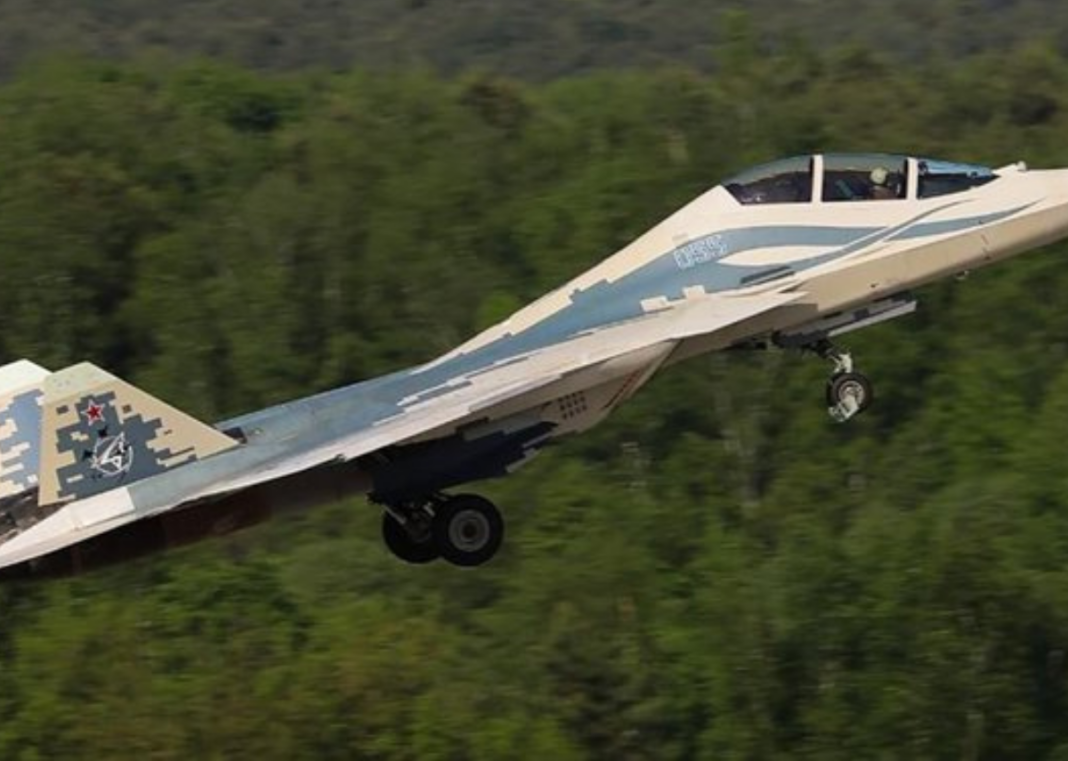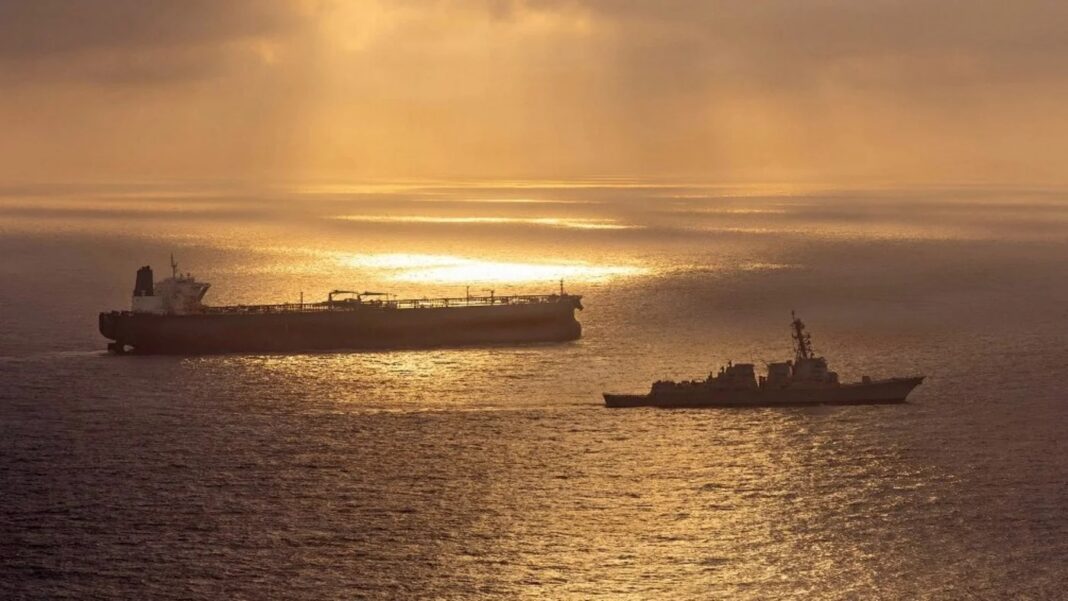
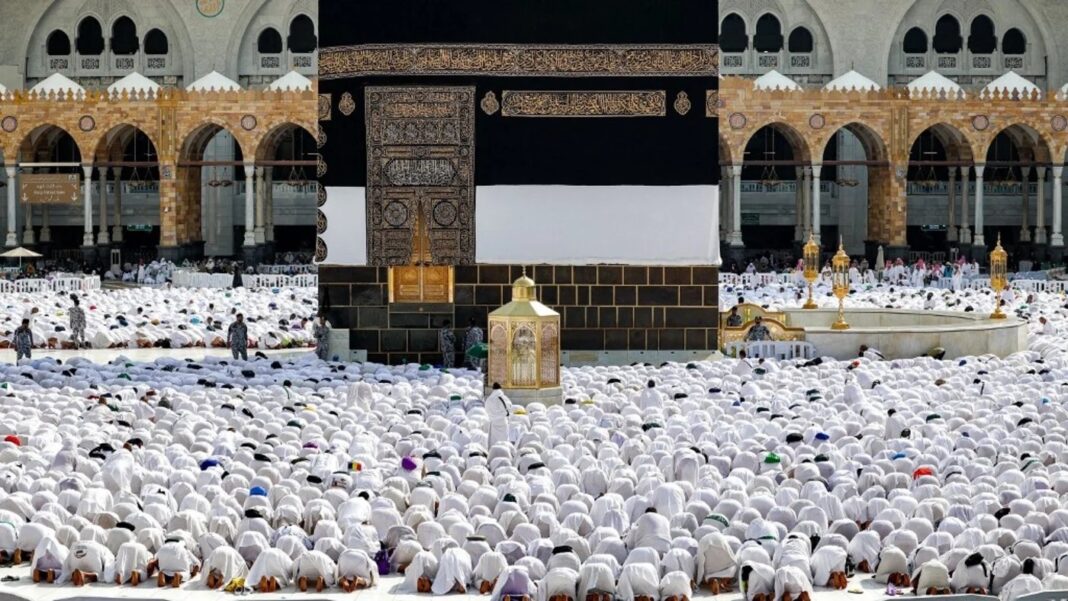

President Donald Trump postponed a planned military attack on Iran this week after Gulf allies and senior members of his own administration warned him against resuming hostilities during the Hajj pilgrimage, Middle East Eye has exclusively reported. The decision, confirmed by three separate officials, came days before the annual pilgrimage is set to begin in Saudi Arabia on May 24.
Two senior Gulf officials told Middle East Eye that Trump was warned an attack during the Hajj period would leave hundreds of thousands of Muslim pilgrims stranded and trigger a severe political crisis across Gulf states. A senior US official familiar with internal administration discussions confirmed the conversations took place.
That US official told Middle East Eye that Trump’s own advisers cautioned him that restarting the war during the holy period preceding Eid al-Adha would cause serious “reputational damage” for the US president.
Trump himself acknowledged the intervention on his Truth Social platform. “I have been asked by the Emir of Qatar, Tamim bin Hamad Al Thani, the Crown Prince of Saudi Arabia, Mohammed bin Salman Al Saud, and the President of the United Arab Emirates, Mohamed bin Zayed Al Nahyan, to hold off on our planned Military attack of the Islamic Republic of Iran,” he wrote. He added: “In their opinion, as Great Leaders and Allies, a Deal will be made.”
The logistical concerns were substantial. Saudi Arabia hosts approximately one million foreign pilgrims during Hajj each year, and this year hundreds of thousands are already in the country ahead of the six-day pilgrimage. Beyond Saudi Arabia, the warnings extended to major Gulf air travel hubs, including Qatar and the UAE, as well as departure countries across South and East Asia where large numbers of pilgrims originate.
The US had previously launched strikes on Iran during Ramadan, Islam’s holy month of fasting. Doing so during Hajj, however, was described by Gulf officials as carrying far greater consequences — both logistically and politically.
All three officials who spoke to Middle East Eye said they expected the conflict to resume once the Hajj period concludes. The officials requested anonymity because they are not authorised to brief on internal government communications.
The US-led war on Iran began on February 28, when US and Israeli forces launched coordinated strikes on the country. Iran responded immediately, striking US bases and interests in Gulf states. Since then, Tehran has warned that any further attacks on its energy and civilian infrastructure will trigger retaliatory strikes on Gulf infrastructure and expand the conflict beyond the region.
Iran’s ongoing blockade of the Strait of Hormuz — a critical passage for global energy supplies — has already disrupted oil and liquefied natural gas exports from Saudi Arabia, Qatar, and Oman. Those three countries have been among the most active in pushing to halt further escalation, according to Middle East Eye.
Washington’s initial military campaign against Iran has faced significant setbacks. The strikes failed to topple the Iranian government despite killing Supreme Leader Ayatollah Ali Khamenei. Under Mojtaba Khamenei, the supreme leader’s son and successor, Iran has sustained weeks of bombardment while preserving what officials describe as a vast missile stockpile.
According to the New York Times, Pentagon officials have cited munitions shortages and the growing sophistication of Iranian air defence tactics as factors that could hinder any resumed US offensive. The Israeli government, which views Iran as its principal regional adversary, has used its influence over the Trump administration to advocate for continuing the war, despite internal US assessments flagging the risks to American troops and the global economy, Middle East Eye reported.
The timing of any future strike carries added strategic weight. Middle East Eye noted that when the US first attacked Iran in late February, it did so after appearing to make progress in diplomatic negotiations with Tehran in Geneva — a sequence that officials said reflected Washington’s pattern of using false signals to catch Iran off guard.
The Hajj is scheduled to begin on May 24 and run for six days. Once it concludes, Gulf officials told Middle East Eye, the conditions holding back a US military resumption will no longer apply.
Background
The US and Israeli forces struck Iran on February 28, 2026, killing Supreme Leader Ayatollah Ali Khamenei. Iran retaliated immediately by striking US bases and interests in Gulf countries. Mojtaba Khamenei, the supreme leader’s son, assumed power and has since overseen Iran’s continued resistance. Iran’s blockade of the Strait of Hormuz has disrupted energy exports from multiple Gulf producers. Saudi Arabia, Qatar, and Oman have been at the forefront of diplomatic efforts to prevent further escalation.
What Happens Next
The Hajj pilgrimage concludes in late May, after which Gulf officials told Middle East Eye they expect the US to resume military operations against Iran. Pentagon officials have flagged munitions shortages and upgraded Iranian air defences as obstacles to any new offensive, according to the New York Times. Diplomatic channels remain open, with Gulf leaders publicly indicating to Trump that a negotiated deal remains possible. Iran has stated it will retaliate against Gulf infrastructure if US and Israeli strikes on its energy and civilian sites resume.