
G7 Finance Ministers Gather in Paris as Global Bond Selloff Deepens on Iran War Fears
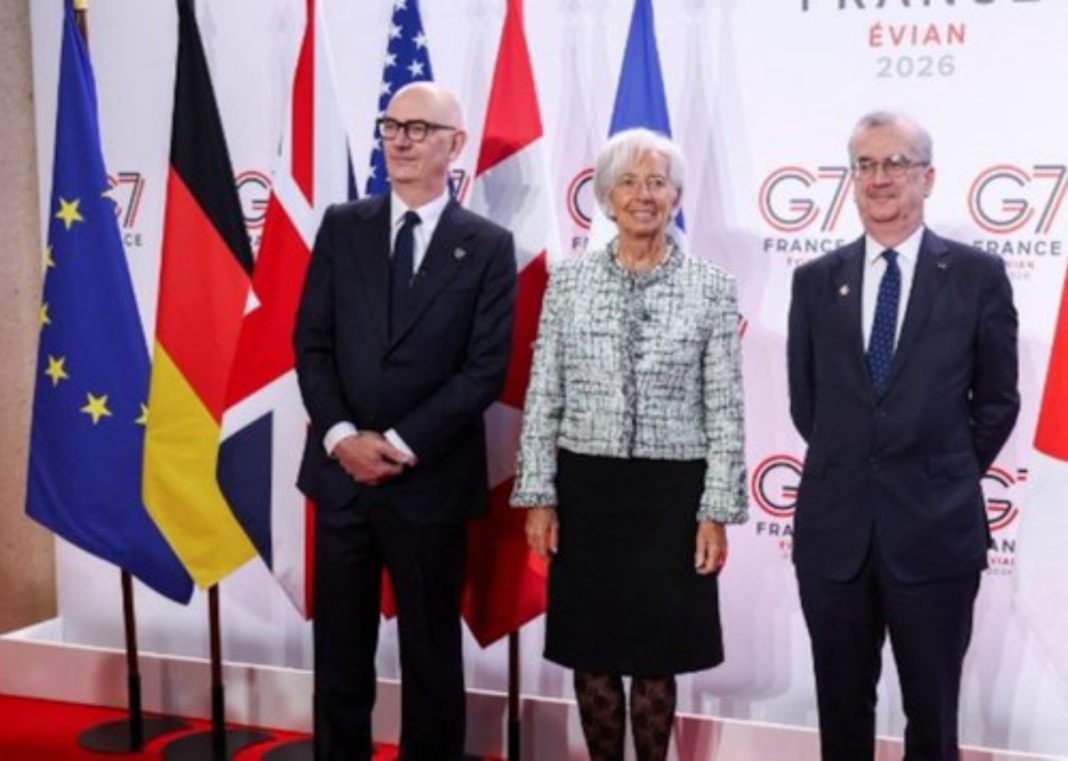
G7 finance ministers and central bank governors met in Paris on Monday and Tuesday to grapple with surging long-term borrowing costs and the economic fallout from the Middle East conflict. European Central Bank President Christine Lagarde, asked by reporters whether she was worried by the global bond market selloff, replied: “I always worry, that’s my job!” BenzingaMarketScreener
The 10-year U.S. Treasury note yield — the benchmark for U.S. government borrowing — reached 4.601 percent on Monday, its highest level in 15 months. The 30-year Treasury bond yield held at 5.128 percent. Both figures reflect a broad global trend that brought policymakers to Paris with few easy answers. CNBC
Iran War Drives the Pressure
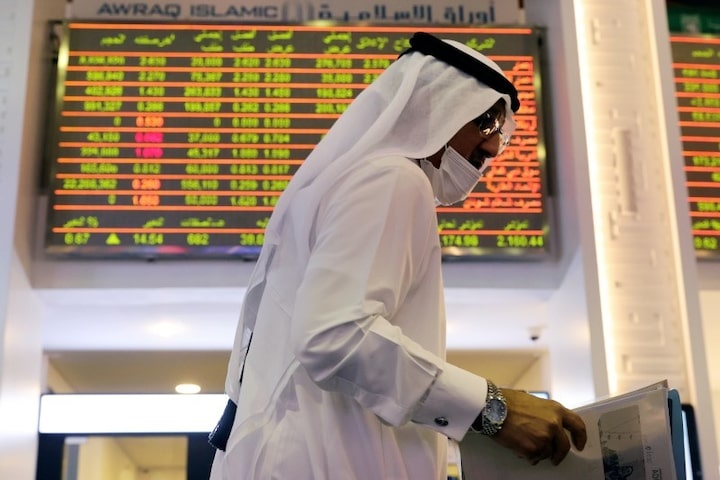
Bonds from Tokyo to New York extended losses on Monday as rising energy prices from the ongoing Middle East war fanned inflation fears and stoked investor expectations of rate hikes from global central banks. MarketScreener
Oil prices rose on Monday, with Brent crude up 1.8 percent to $111.16 a barrel, while U.S. West Texas Intermediate futures climbed more than 2 percent to $107.56 per barrel. New drone attacks in the Gulf drove both moves, according to Reuters. CNBC
G7 finance ministers met in Paris looking to find common ground on tackling economic tensions and global imbalances in the wake of a bond market selloff triggered by concern over inflation risks from the Iran war. Al Arabiya
Bessent Pushes Iran Sanctions
United States Treasury Secretary Scott Bessent said on Monday that he would call on G7 finance ministers to follow a sanctions regime in order to keep financing away from what he described as Iran’s “war machine.” The statement came as Bessent arrived for the two-day meeting alongside French Finance Minister Roland Lescure and Governor of the Banque de France François Villeroy de Galhau, according to Reuters. MarketScreener
Bessent also said that last week’s trip by a U.S. delegation to China, led by President Donald Trump, was “very successful.” He did not offer further details on specific outcomes from those talks. AOL
Central Bankers Signal Capacity to Act
Bundesbank President Joachim Nagel said on Monday that central bankers can do “a lot more” to calm the financial markets and give them positive momentum. Nagel made the comments as he arrived for the G7 meeting in Paris. MarketScreener
His remarks came alongside Lagarde’s, with both officials suggesting the toolbox of monetary policy responses remains open. Neither specified which tools or timelines they were considering.
Will Hobbs, chief investment officer at Brooks Macdonald, told CNBC’s Europe Early Edition on Monday that inflation is going to be “a tricky, annoying problem for central banks and bond investors.” He said the combination of the Middle East conflict and energy price shocks placed central banks in a difficult position on interest rate decisions. CNBC
According to Bloomberg, Bessent described the recent rise in inflation expectations as a temporary “blip,” partly linked to higher oil prices and disruptions tied to tensions around the Strait of Hormuz. MSN
A Compounding Global Effect
The selloff is not confined to U.S. Treasuries. Some governments have already started reducing issuance of longer-dated bonds, while the United States has increasingly relied on shorter-term Treasury bills to meet its borrowing needs. MSN
Lizzie Galbraith, senior political economist at Aberdeen, said the energy price shock and ongoing U.K. political turmoil put an extra risk premium on U.K. assets. CNBC
The G7 meeting also came as Kevin Warsh was expected to formally take over as chair of the U.S. Federal Reserve, following his nomination by President Donald Trump. His anticipated appointment adds a further variable to global rate expectations at a moment of elevated market stress. MSN
Background
The ongoing conflict between U.S.-led forces and Iran has sent energy markets sharply higher since early 2026, pushing Brent crude above $110 per barrel for the first time in years. The 2-year U.S. Treasury yield, which is more sensitive to near-term Federal Reserve decisions, stood at 4.086 percent on Monday. The G7 — comprising the United States, United Kingdom, France, Germany, Italy, Japan, and Canada — holds annual finance minister meetings to coordinate responses to major economic pressures. Bond yields and prices move in opposite directions; rising yields signal falling demand for government debt. Investors remain concerned that persistent inflation and worsening fiscal outlooks could continue to weaken demand for long-dated government debt. CNBCMSN
What Happens Next
The Paris meeting runs Monday and Tuesday, May 18 to 19. Bessent is expected to formally table a proposal for coordinated G7 sanctions against Iranian oil financing during the two days of talks, according to Reuters. The handover of the Federal Reserve chair to Kevin Warsh is formally expected to follow the Paris summit, a transition that markets will monitor closely for any shift in U.S. monetary policy signals. Both Lagarde and Nagel indicated central banks retain further capacity to act if conditions worsen, without setting out a specific timeline or mechanism. BenzingaMSN