
Modi Tells Indians to Skip Foreign Travel Amid Gulf Crisis
India’s travel industry warned on Wednesday, May 13, that Prime Minister Narendra Modi’s public call for citizens to avoid unnecessary foreign trips will compound an already weakening outbound tourism market, with summer overseas inquiries already down by up to 15 percent. The number of people traveling to other countries will continue to go down. Modi issued the appeal on Sunday, May 10, urging Indians to postpone foreign travel, pull back on gold purchases, and use fuel more carefully as New Delhi moves to protect the economy from the financial shock of the ongoing Iran war. The announcement landed squarely on the peak outbound season, sending travel stocks lower and raising fresh questions about the government’s approach to managing consumer behaviour during a geopolitical crisis.
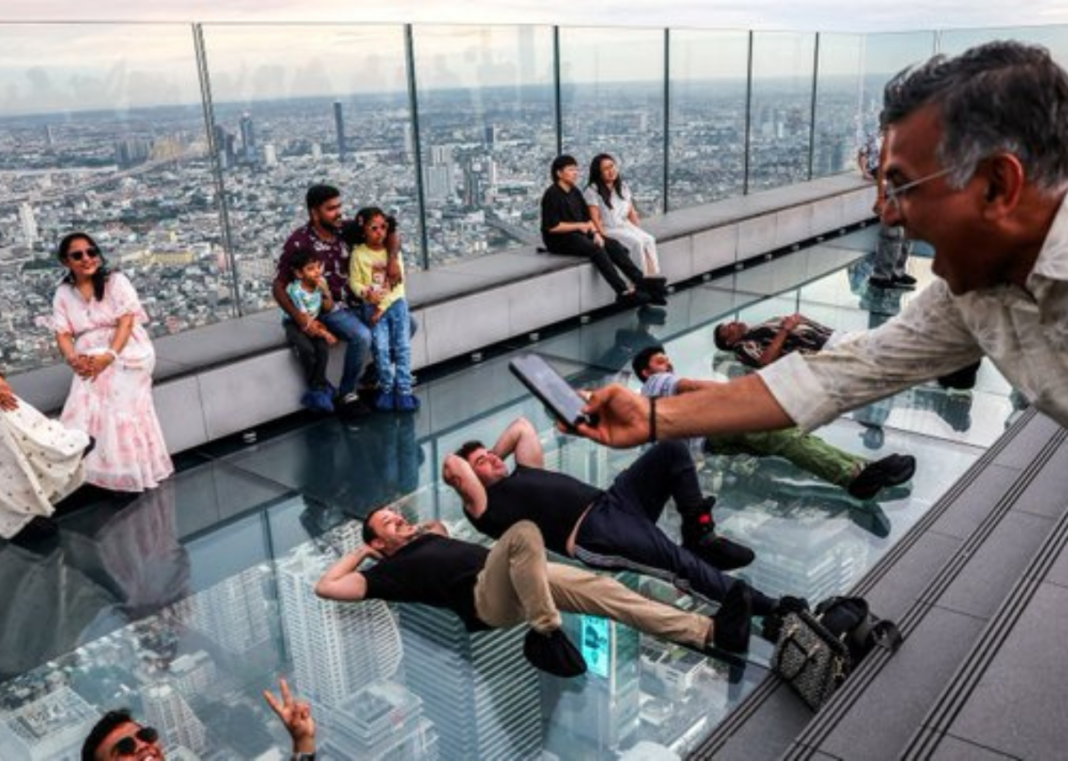
The travel pullback is hitting at the worst possible time — the April-to-June school holiday window, when wealthier Indian families typically book overseas escapes to cooler destinations in Europe and Australia.Richer Indian families like to book trips, to Europe and Australia during this time. The Star
“The prime minister has a great following, and people sometimes take his advice very seriously… they may postpone it to next year,” said Ravi Gosain, president of the Indian Association of Tour Operators, which counts more than 2,000 member businesses. The Star
Gosain said inquiries had already been softening before the prime minister spoke. “We (had) already seen a 10 to 15 per cent reduction in inquiries or business for this summer season,” he told Reuters. The Star
The timing of Modi’s remarks matters. Crude oil is trading above US$100 a barrel after Iran’s closure of the Strait of Hormuz choked off a fifth of global supply of oil and liquefied natural gas. The surge in energy costs has driven up airline fuel surcharges, making international flights more expensive even before travellers factor in costlier hotels and ground transport abroad. Modi said the government is trying to shield citizens from the adverse impact of the Iran war. The StarThe Federal
Stocks Slide, Sector on Edge
Investors responded by dumping shares in travel aggregators including EaseMyTrip, Yatra Online, and Ixigo on Monday, May 11, along with stocks of airline operators and holiday planners. The Star
Market analysts confirmed the pain is likely to persist. “This is definitely going to have an impact in the short to medium term,” said Kranthi Bathini, director of equity strategy at WealthMills Securities. “But if there is a cool-off in crude oil prices, we can see a rebound,” he added. The Federal
Critically, analysts drew a distinction between Modi’s words and formal government policy. According to Reuters, the prime minister’s statement amounts to a public plea rather than a regulatory change — but even without legal force, its market impact was immediate.
A Different Opportunity for Domestic Tourism
Not every corner of the industry is bracing for losses. Sunil Kumar, president of the Travel Agents Association of India, along with EaseMyTrip and the Hotels Association of India, said Modi’s call could redirect demand toward domestic destinations. The Federal
The Hotels Association of India went further, welcoming the prime minister’s remarks outright. KB Kachru, president of the Hotels Association of India, said that in the current volatile geopolitical environment, stronger domestic tourism will help conserve foreign exchange while building a more resilient and self-reliant travel ecosystem. The Federal
“At the same time, there is also the need for the government to encourage and support inbound travel, which will in turn help build foreign exchange reserves for the country,” Kachru said. The Federal
Kachru added that increased domestic travel is expected to boost demand for hotels, resorts, and regional tourism experiences, while strengthening employment generation in small tourism businesses and accelerating growth in tier II and tier III destinations. The Federal
EaseMyTrip said in a statement, according to Reuters, that Modi’s speech could give fresh momentum to the domestic tourism sector — though the company stopped short of predicting specific booking gains.
Regional and Global Impact
For outbound travel destinations in Europe and Southeast Asia, a sustained Indian pullback carries real commercial weight. India’s outbound departures rose nearly six per cent to 32.7 million in 2025, continuing a long-term growth trend fuelled by rising incomes, easier visa access, and social media influencers. The Star
Ernst & Young, citing research and brokerage firm Bernstein, forecast that by 2027, India will become the fifth largest outbound tourism market globally, up from tenth place in 2019. Any structural slowdown in that trajectory — even if short-term — will be felt from Thai resort operators to European airline booking desks. The Star
Domestically, the shift carries a different kind of significance. India’s tourism sector, valued at US$231.6 billion and supporting one in ten jobs, ranks eighth globally and is projected to climb to fourth within the next decade. A redirection of even a fraction of outbound spending toward Indian destinations could accelerate that climb — though industry figures note that domestic tourism typically accounts for only about a fifth of a typical travel agent’s revenue, making it a lower-margin substitute. The Star
The outbound segment alone is projected to reach US$55.39 billion by 2034, from US$18.82 billion a decade earlier. How much of that growth path is disrupted will depend on how long the Gulf crisis continues to squeeze energy costs and consumer confidence. The Star
Background
Iran’s closure of the Strait of Hormuz — a chokepoint for a fifth of global oil and gas supply — has driven crude prices above US$100 a barrel and triggered inflation across import-dependent economies. India, with an annual import bill of close to US$1 trillion, is among the countries most exposed to sustained energy price shocks. Modi’s May 10 address framed the foreign travel appeal as part of a broader austerity package alongside calls for reduced fuel use and deferred gold purchases. The government also moved on May 13 to raise import duties on gold and silver from six per cent to 15 per cent, according to Reuters, tightening the policy environment further. India’s tourism sector, which spans both inbound and outbound travel, supports approximately a tenth of the country’s total workforce.
What Happens Next
Industry bodies, according to The Federal, have formally urged the government to pair Modi’s call for outbound restraint with active measures to grow inbound tourism — a step they say is necessary to offset foreign exchange outflows. The Federal reported that industry bodies have made a request, to the government to make this happen. Travel aggregators and operators are expected to pivot summer marketing campaigns toward domestic destinations in the coming weeks. Analysts at WealthMills Securities told Reuters that a reversal in crude oil prices remains the clearest near-term catalyst for a recovery in outbound travel bookings. No formal government policy restricting foreign travel has been announced, and the prime minister’s appeal carries no legal obligation, according to Reuters. The Indian Association of Tour Operators, with its 2,000-plus member firms, has not yet indicated whether it will seek government compensation or relief measures for peak-season losses.