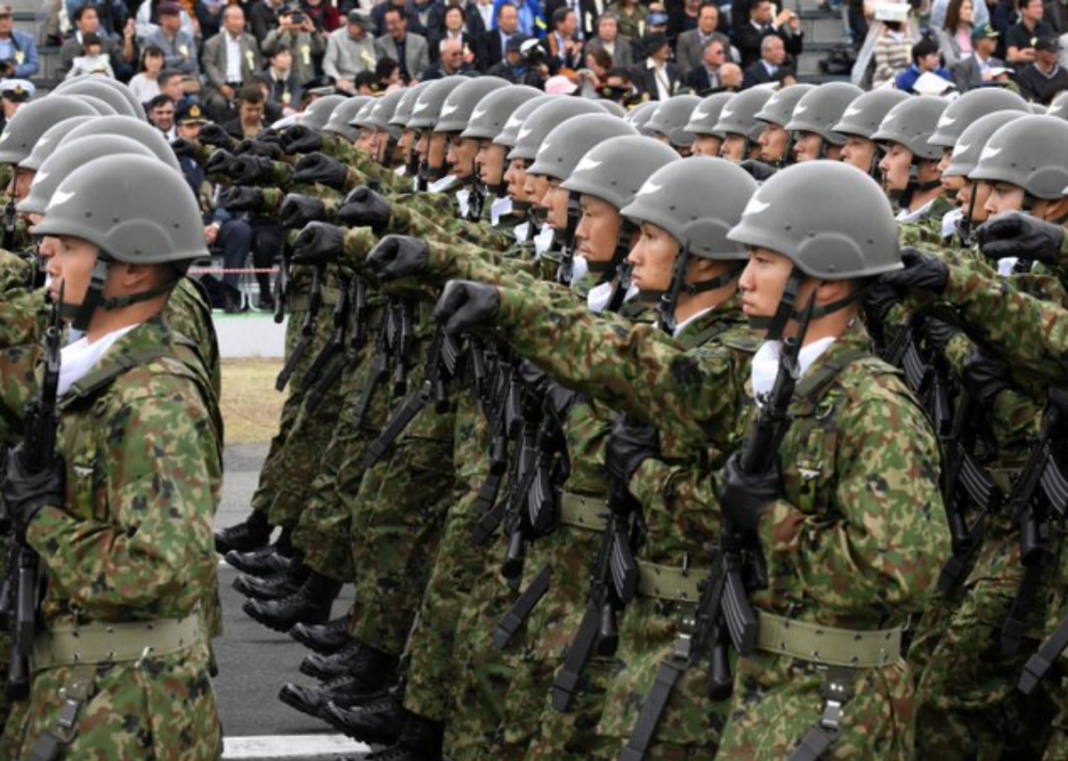

In April 2026 the Balikatan military exercises reached a level. The Balikatan military exercises are a partnership between the United States and the Philippines that has been going on for a time. This year the Balikatan military exercises are bigger and more dangerous than they have ever been. About 17,000 troops from seven countries are taking part in the Balikatan military exercises and Japan is fully participating for the time. The troops are not just doing the old things. They are doing live-fire missile drills in waters near the South China Sea. China has noticed this. Is not happy about the Balikatan military exercises. China has warned that the Balikatan military exercises could make the situation in the area less stable.
The Balikatan military exercises this year show what is happening in the Asia-Pacific region now. Old friendships between countries are getting stronger. Rivalries between countries are getting worse. People are worried about who controls areas and how to keep them safe. The Balikatan military exercises are a part of this.
Background of Balikatan Exercises
The word Balikatan means working in Filipino. This is the name for the partnership between the United States and the Philippines. The partnership between the United States and the Philippines is based on the 1951 Mutual Defense Treaty. The Balikatan military exercises started as a way for the United States and the Philippines to practice working in case of a disaster or a terrorist attack.
The Balikatan military exercises were also a way for the United States military and the Philippines military to make sure they could work together when it really mattered.
Things have changed now. The Balikatan exercises put emphasis on defending the territory of the United States and the Philippines protecting the sea lanes and being ready for real combat in the region. The reason for this change is that there are a lot of tensions over places like the South China Sea. In the South China Sea many countries are disagreeing because they all claim to own the area.
The Balikatan military exercises are important, for the United States and the Philippines because they help the United States and the Philippines work together to protect their territory and the sea lanes.
Scale and Scope of the 2026 Exercises
There is no hiding the scale of Balikatan this year. The Balikatan has seventeen thousand troops from the United States, Philippines, Japan, Australia, Canada, France and New Zealand who are all taking part in the Balikatan. The Balikatan is bigger more complex and packed with cooperation in the Balikatan.
Troops are carrying out the following things in the Balikatan:
- Live-fire drills, including missiles and artillery in the Balikatan
- Maritime strike simulations in waters that everyone is watching in the Balikatan
- Air defense and surveillance operations in the Balikatan
- landings and coastal defense in the Balikatan
- Cyber defense and intelligence sharing in the Balikatan
Some of these exercises in the Balikatan are happening close to the South China Sea and near Taiwan. These are flashpoints for international security in the Balikatan. Clearly these exercises in the Balikatan are not just for show. The location of the Balikatan alone sends a message about what matters in the Balikatan.
Japans Historic Full Participation in the Balikatan
Japans decision to fully join the Balikatan makes this year of the Balikatan especially notable. In the past Japanese forces mostly watched from the sidelines in the Balikatan. This time they have sent about 1,400 troops to the Balikatan. By far their presence in these drills in the Balikatan. They are running live-fire scenarios and practicing missile defense in the Balikatan not just observing the Balikatan.
For Japan this is part of a change in the Balikatan. Over the few years Japan has started focusing more on building up their own defense updating their policies and spending more money on their military in the Balikatan. Doing more in the Balikatan shows that Japan is ready to step up and take an active role in regional security, in the Balikatan.
Strategic Significance of the South China Sea
The South China Sea is always in the spotlight during Balikatan. It’s a major route for global trade and might hold huge oil and gas reserves beneath its waters. But it’s also claimed by a tangle of countries: China, the Philippines, Vietnam, Malaysia, and Brunei all say parts of it should be theirs. China’s “nine-dash line” takes in most of the area, setting the stage for endless disputes and even clashes.
That’s why these live-fire missile drills and maritime operations near the South China Sea matter so much. For the U.S. and its allies, they’re about proving their dedication to keeping trade lanes open and making sure countries can’t muscle each other aside.
China’s Response and Regional Reactions
China hasn’t stayed quiet. Officials there have openly criticized the expanded Balikatan, especially Japan’s larger role, and the fact that the drills are happening right near key, sensitive areas. They’ve told the countries involved to watch themselves, warning that these kinds of activities stir up regional instability.
From Beijing’s perspective, bigger and more frequent U.S.-led military exercises look like a plan to block China’s influence. Seeing foreign militaries practicing advanced operations so close to places China cares about is basically a direct challenge.
China’s also worried this could end up making foreign military presence a normal thing in the area. As more countries join forces and train together, there’s always the chance for miscalculations or accidents to spiral out of control.
Other countries in the region have mixed feelings. Some welcome the stronger cooperation—they see it as extra security. Others are more cautious, not eager to get dragged into a struggle between bigger powers.
Implications for Regional Security
This year’s Balikatan drills aren’t just a military routine; they’re shaping the future of security in Asia-Pacific.
- Stronger Alliances
Japan is taking a role and many countries are involved. This shows how serious these defense partnerships are. When countries train together they get better at working as a team. It also sends a message that many nationsre determined to stick together.
The exercises bring countries together. They practice working as a team. This makes them stronger.
- Deterrence and Power Projection
The size and sophistication of these exercises are a warning to anyone thinking about causing trouble. These countries are not just talking; they are showing what they can do together.
The exercises are a show of strength. They send a message to anyone who might be thinking of stirring up trouble.
- Risk of Escalation
There are risks. With military operations close to areas there is a real risk of misunderstandings or unintended incidents.
There are risks with these exercises. They are close to disputed areas.
- Changing Defense Strategies
Other countries in the region are watching closely. Some may rethink their defense plans invest more in their militaries or seek allies.
Countries are. Learning. They may change their defense plans.
The Role of the United States and the Philippines
The U.S. Is still key to Balikatan. It shows it is committed to backing the Philippines and keeping the region stable. By joining these exercises the U.S. Is not just showing off; it is reminding everyone it’s ready to help if problems arise.
The Philippines hosts the exercises to get stronger. It wants to show it will not back down over territory. The Philippines is a player in regional security. Its partnership with the U.S. And other countries is key to keeping the Indo-Pacific stable.
The 2026 Balikatan exercises are a moment for Asia-Pacific security. With 17,000 troops from seven nations and Japan the message is clear: defense and cooperation matter.
The exercises send a message. They show that countries are working together. These drills also highlight the complications. They boost readiness. Help deter threats but they also risk raising tensions, especially with China’s objections.
The exercises are complex. They have risks, with China. As the Indo-Pacific stays at the center of great-power competition what happens with exercises like Balikatan will shape what comes next. Striking a balance. Working without pushing things too far. Will be critical, to keeping the region secure.
The balance is key. Countries must work together without making things worse.