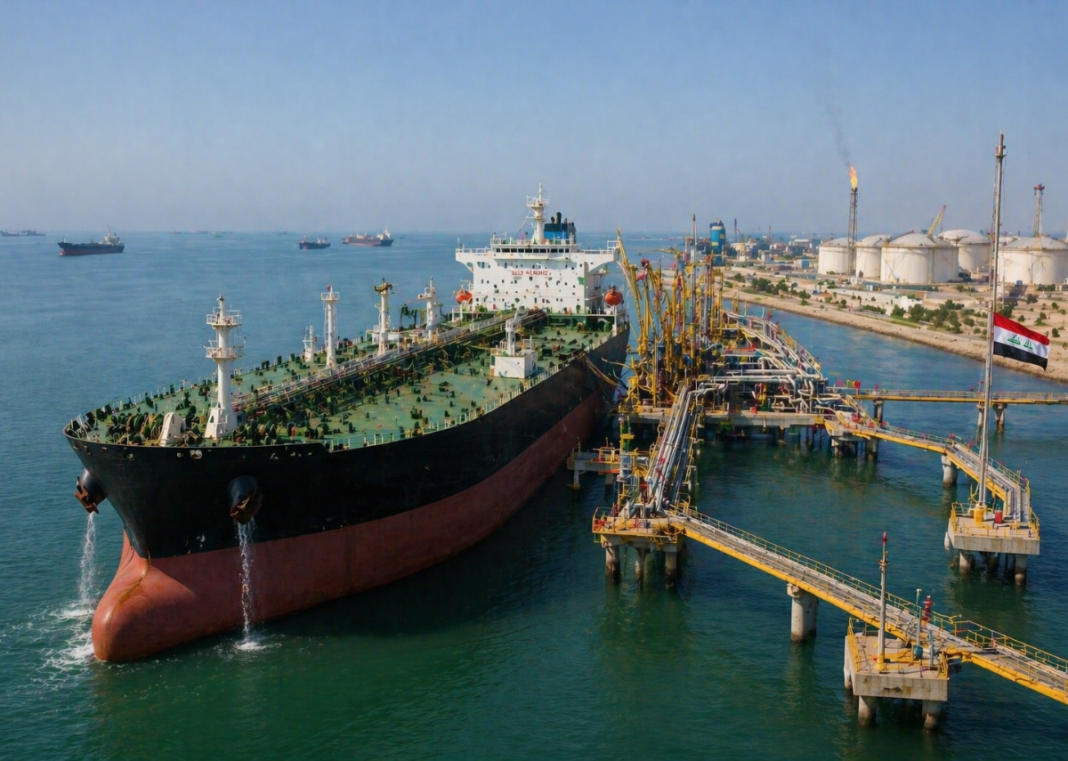

In April 2026 a big change happened in energy markets. An oil tanker came to Iraq. It was going to load two million barrels of crude oil at one of Basra’s offshore terminals. Port sources confirmed that the tanker arrived. This is a step toward Iraqi oil exports starting up again. This happened after problems linked to more tension in the Strait of Hormuz.
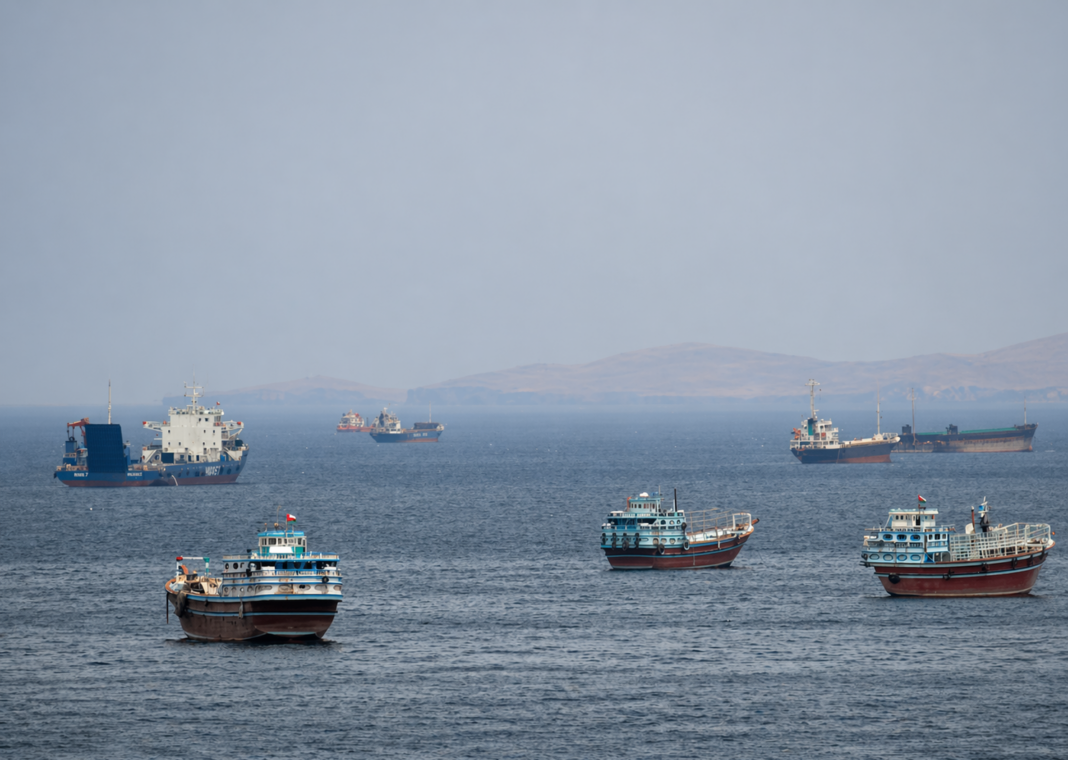
The tanker docking at the Basra terminal is very important. This happened when not many ships were moving in the area. The Strait of Hormuz is a very important waterway. It connects the Persian Gulf to shipping routes. There have been problems in recent weeks. Security concerns tensions between countries and rules have limited ship movement. This has disrupted oil flows from some of the world’s producers.
Iraq has been directly affected. Most of Iraq’s crude oil exports come from terminals near Basra. So it needs to access routes without problems. Oil money is a part of Iraq’s national income. It pays for government operations and public services. Any disruption to exports can have economic consequences.
The tanker’s arrival is a return to these critical export facilities. Sources say the vessel will load two million barrels of crude. This is a lot of oil. It is only a small part of Iraq’s usual export capacity. Still it is a sign that shipping is starting up again even slowly.
The bigger picture here involves tensions between countries in the region like Iran and the United States. The Strait of Hormuz has long been a focus of competition. Threats to shipping security have raised concerns among markets. Recent events have made these concerns worse. This has led to tankers and more changes in oil prices.
Shipping companies and insurers have been very cautious. Many do not want to send vessels through the strait because it’s not safe. Insurance costs for ships in the area have gone up. This has discouraged activity. The tanker at Basra suggests some operators are willing to try. They might feel safer because of security or changing risk assessments.
So challenges remain. Not many tankers are operating in the region. There are still concerns about security. If tensions escalate progress could quickly reverse. This shows how fragile the situation is.
From a market view Iraqi exports starting up again could help stabilize oil supply. Iraq is one of the world’s oil producers. If its exports are disrupted it can tighten supply. Drive up prices. Loading two million barrels helps ease supply constraints. It might help calm price changes if more shipments follow.
Analysts say a sustained recovery will depend on geopolitical developments. Stability in the Strait of Hormuz is crucial for Iraq and the global energy system. A lot of the world’s oil passes through this corridor. Any long disruption could have economic implications worldwide.
This situation shows how connected global energy markets are. Events in one region can quickly affect the world. They can change prices, supply chains and economic stability. Countries that import a lot of energy watch developments in the Middle East closely. These developments can affect fuel costs and inflation.
For Iraq the priority is to ensure its export infrastructure works reliably. The government wants production and shipment levels. This supports its economy and its position in energy markets. Efforts to improve security and work with partners might help sustain progress.
In conclusion the arrival of an oil tanker at Basra’s terminal is a cautiously positive step. It is toward the normalization of oil exports amid ongoing regional tensions. Loading two million barrels signals a recovery. However the broader environment is still uncertain. Geopolitical risks and security concerns, in the Strait of Hormuz shape it. The coming weeks will be critical. They will determine if this development marks the start of a recovery or just a temporary easing of disruptions. As global markets continue to watch the situation underscores the importance of stability in one of the world’s most vital energy corridors.