

April 2026 — International Desk
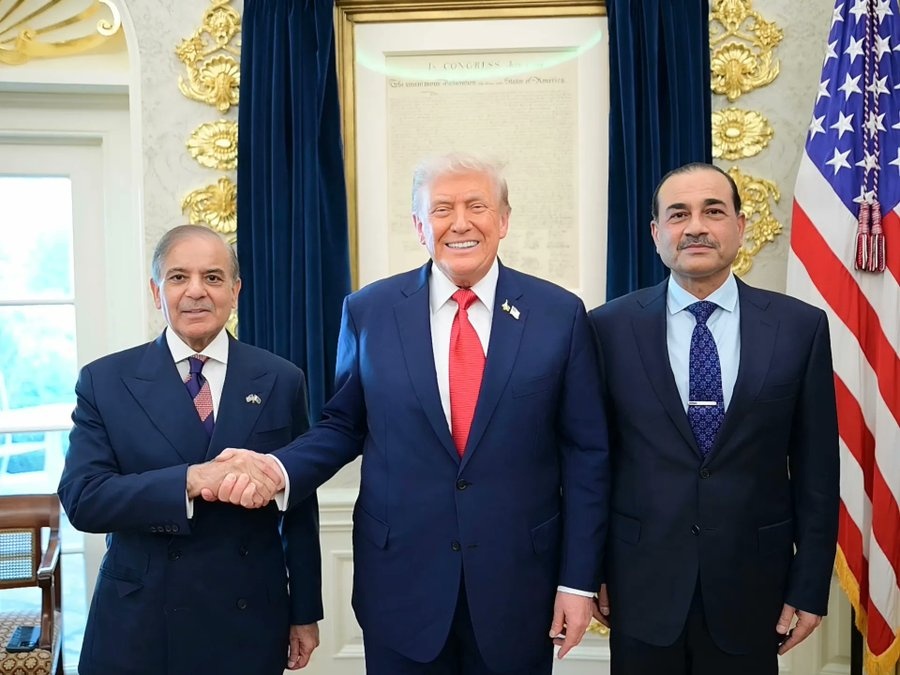
People are talking about Pakistan because it is supposedly helping the United States and Iran talk to each other. Pakistan is doing this behind the scenes. The story is that Pakistan got involved after the President of the United States Donald Trump, asked for help. Pakistani diplomats then helped make sure a ceasefire did not fall apart in the region. However nobody, from the United States government or the Iranian government or the Pakistani government will say for sure if this is really happening. The United States and Iran are still a topic of discussion because of Pakistans supposed involvement.
If there’s any truth here, it’s a pretty big deal. It would put Pakistan in the unusual spot of mediating between Washington and Tehran, especially while the Middle East sits on edge. But that’s a big “if” because none of this is officially confirmed.
Alleged Diplomatic Backchannel
People close to the story claim Pakistan found itself acting as a quiet bridge for messages between the U.S. and Iran. Islamabad has history with both countries: a complicated partnership with Iran, and, at the same time, an on-and-off relationship with America as a non-NATO ally. Supposedly, Pakistani officials used those ties to urge both sides to cool things down and to keep communications open. Again, though, neither Pakistan’s Foreign Office nor its military has said a single word on the record about this.
The Trump Angle
Here’s the bit causing some head-scratching: Reports say someone reached out directly to Donald Trump, and he somehow factored into keeping this ceasefire going. Who contacted him? What was agreed? Nobody really knows. There’s no evidence of Trump having any formal role in U.S. foreign policy right now, so claims of him brokering deals are unproven.
People who follow this stuff closely say Trump’s name gets thrown around in stories like this all the time—usually, it’s just talk, not proof of any real involvement.
Ceasefire Extension?
These reports also say a regional ceasefire got extended after Pakistan allegedly helped open lines of communication between the U.S. and Iran. But again, there’s nothing from the United Nations, the U.S. State Department, or Iran’s Foreign Ministry backing that up. Without documentation, this supposed ceasefire extension is still just rumor.
Bigger Picture
Really, tensions between the U.S. and Iran aren’t anything new. They clash over nuclear issues, sanctions, and who has more influence in the region. In the past, countries like Oman, Qatar, and Switzerland have helped carry messages back and forth. If Pakistan is involved now, that would be something new for this informal club of mediators. Islamabad has kept a low profile in other regional crises before, sometimes acting as a quiet negotiator thanks to its unique spot between the West and the Muslim world.
Still, experts aren’t sold. They think the current story probably reflects some off-the-record diplomatic signaling rather than any real, structured negotiation.
What the Analysts Say
Analysts admit Pakistan has relationships with both the U.S. and Iran, but if it’s now essential to U.S.–Iran talks, they want to see better evidence. Historically, intermediaries like Oman or Qatar have played this role, not Pakistan. Involving Trump only adds to the confusion, since it’s not clear what kind of authority he’d even have to make deals.
No Official Confirmation
Here’s what we know for sure—none of the main players have confirmed anything:
- The U.S. hasn’t said Pakistan is mediating.
- Iran hasn’t announced any new ceasefire because of Pakistan.
- Pakistan hasn’t commented on acting as a central channel.
- There’s zero verified record of Trump being involved.
Bottom line: The stories about Pakistan suddenly becoming Washington and Tehran’s go-to mediator, and Trump swooping in to help secure a ceasefire, just aren’t supported by facts at this point. Pakistan does have strategic relationships that put it in the room for regional talks, but right now, there’s nothing concrete to show it’s taken on a starring role.
Until that changes, chalk this up to rumor and speculation—not confirmed international news.