
Tehran / Islamabad | April 26, 2026
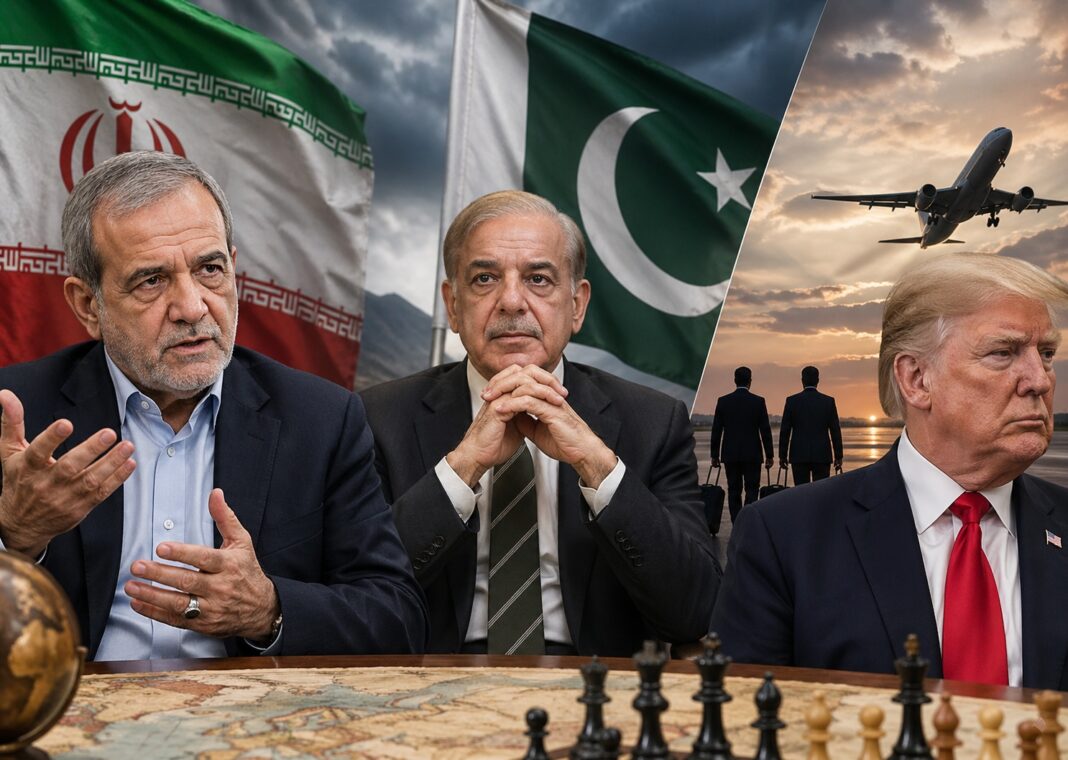
Iran isn’t backing down. President Masoud Pezeshkian just made it clear to Pakistan’s Prime Minister Shehbaz Sharif that Tehran won’t negotiate with the U.S. while facing “pressure, threats, or siege.” It’s a blunt message, but not a surprising one if you’ve watched these tensions simmer for a while.
Everything unfolded during a call between Pezeshkian and Sharif, and it comes as things grow even more tense: word is, U.S. President Donald Trump called off a scheduled visit by U.S. envoys to Pakistan. Those envoys were supposed to join in some indirect talks about Iran — now, that’s not happening. So, if you were hoping for a breakthrough, it’s not looking good.
Digging in, Pezeshkian told Sharif that Iran’s always open to talk, but not if you’re going to squeeze them or threaten them. “We won’t sit at the table under pressure,” he said — and really, that’s been Iran’s line for years. Tehran believes sanctions, military threats, and economic pressure just kill any serious negotiations before they start. The message? Take your foot off our neck, or don’t expect us to play along.
Pezeshkian also flagged Pakistan’s potential to help keep the region stable. Iran and Pakistan have their differences from time to time, especially around security, but mostly they try to keep things workable. Pezeshkian pretty much said Pakistan could do even more to keep dialogue going and maybe calm things down.
Pakistan, for its part, keeps saying it wants peace. Sharif told Pezeshkian Pakistan’s ready to help start talks, if everyone wants that. Islamabad has hosted these sorts of discussions a few times, but let’s be real: when it comes to heavy-hitting deals between the U.S. and Iran, Pakistan’s more of a go-between than a true dealmaker.
Now, about that scrapped U.S. envoy visit — it’s another sign of growing frustration on all sides. These American officials were meant to meet with regional leaders, hoping to quietly open lines of communication with Iran, probably using Pakistan as a messenger. Canceling the trip is a strong signal: nobody’s budging, and the diplomatic energy has faded.
The deeper fight is familiar: U.S. sanctions keep Iran’s economy under strain, and Washington wants Tehran to meet a bunch of international demands — especially about its nuclear program. Iran’s answer? Lift some sanctions, then maybe we’ll talk. Both sides want the other to blink first.
All of this pushes the Middle East a bit closer to who-knows-what. When Iran and the U.S. aren’t talking, everybody else gets jittery, especially with energy prices and maritime security in the mix. It’s not just about two countries — it affects oil routes, neighboring conflicts, and the balance of power from the Gulf to South Asia.
Pakistan’s in a tight spot, trying not to anger anyone — keeping Iran happy but not upsetting Washington or the Gulf countries either. Playing facilitator helps Islamabad stay important, but it also means walking a diplomatic tightrope.
Energy markets feel the strain, too. Every time things heat up around Iran, oil prices jump and shipping gets riskier. Without grown-up conversations happening, the risk of somebody making a bad move just goes up.
Right now, there’s no sign that Iran and the U.S. will sit down together anytime soon. Both sides have dug in, Iran sticking to its refusal to negotiate under fire, and the U.S. appears to be rethinking its approach after scrapping that envoy visit. The fiasco with the Pakistan trip only makes the situation look more hopeless.
Still, these standoffs have a way of shifting behind the scenes. Channels stay open — quietly, away from the headlines. But if you’re looking for bold moves, don’t hold your breath.
In short: Iran won’t negotiate while staring down U.S. pressure, and the U.S. just pulled back on a key piece of diplomatic outreach. Pakistan might try to help, but with both Tehran and Washington holding firm, real progress is hard to spot. The bigger picture? A region that’s still on edge, watching — and waiting for someone to make the next move.