
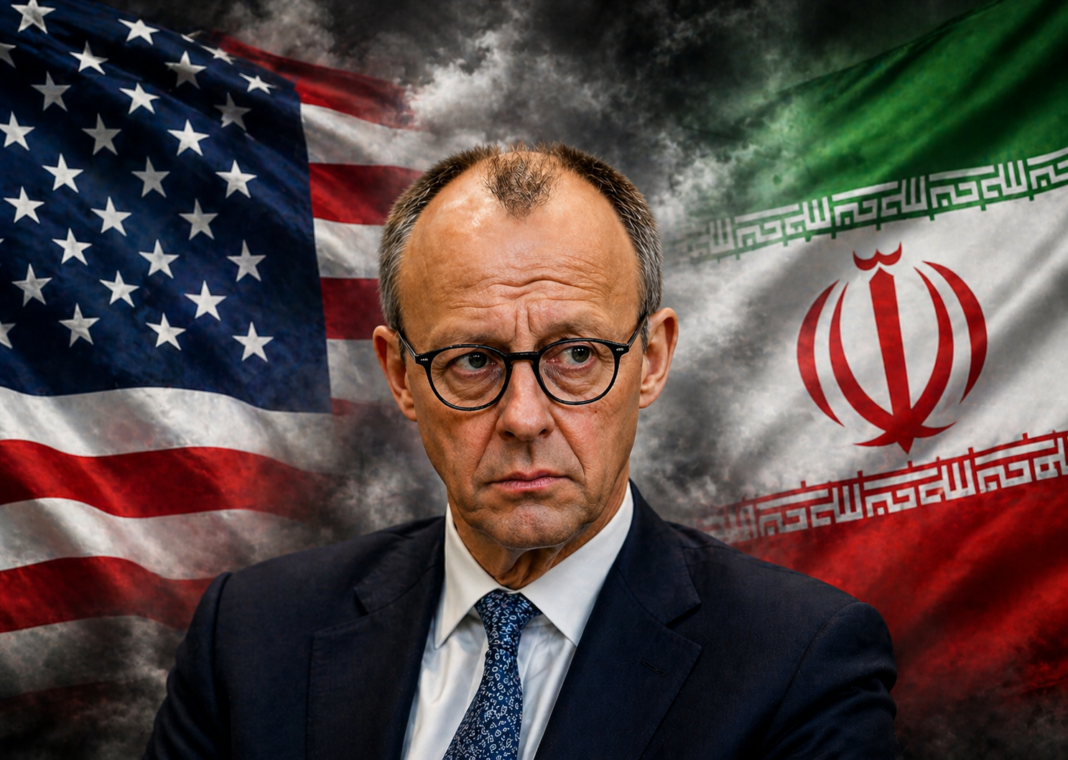

German Chancellor Friedrich Merz has thrown the spotlight on Washington, calling out the U.S. for what he sees as a weak approach to the standoff with Iran. He didn’t hold back, saying the U.S. is getting “humiliated” by Tehran. Merz delivered these pointed remarks during a public speech on Monday, and honestly, it’s resonated in Europe, where more leaders are questioning if the American strategy is headed anywhere good.
Right now, tensions between the U.S. and Iran are flaring up on several fronts — from shipping lanes to regional alliances, even down to military skirmishes. Merz’s unusually direct language feels almost like an alarm bell, hinting that European policymakers are worried. There’s talk that Washington isn’t showing much direction, or even a plan for how any of this ends.
Merz’s main gripe? The U.S. strategy, or lack of one. He thinks Washington looks lost, with no clear goals and definitely no exit plan. Iran, on the other hand, seems to be making the most of the chaos, flexing its muscles for the world to see. He describes the U.S. response as reactive instead of proactive, and that word “humiliation” says a lot — Merz believes the perception, if not the power, has shifted toward Iran, at least for now.
This is nothing new for Europe. For years, they’ve pushed for diplomacy, multilateral talks, and lowering the temperature, all while leaning on the U.S. for security. The lack of a united strategy only deepens the divide.
Looking at the bigger picture, U.S.-Iran relations have been rocky for decades. There’s the whole history — the Iranian Revolution, diplomatic rifts, nuclear disputes — and more recently, things haven’t really improved. The Strait of Hormuz keeps hitting the headlines with maritime incidents. It’s a vital channel for oil shipments, so every flare-up has global economic ripple effects.
Iran’s been getting bolder, relying on allied groups and asserting itself wherever it can. The message, for some observers, is clear: Iran’s resisting outside pressure and beefing up its leverage.
Merz’s speech didn’t just call out Washington; it reflected Europe’s own nervousness. Leaders here worry about security issues and, maybe more so, the threat to Europe’s economy. If conflict in the Middle East drags on, energy markets could take a big hit. Oil prices jump up, supply chains break down, shipping turns risky — Europe feels all of it.
Nobody in Europe wants to get pulled into a wider war with no clear solution. The struggle to find a common strategy only makes crisis management harder and ups the chance of accidental escalation.
For transatlantic relations, Merz’s comments mark a slight shift. Public criticism of the U.S. by a European head of government isn’t an everyday event. It’s a sign of stress. Maybe it’s a nudge for Washington to rethink its game plan, bringing Europe to the table with more influence.
Diplomatically, his sharp words could push the U.S. to clarify its goals and take its allies more seriously. Of course, it also risks making Iran feel stronger, seeing splits among Western partners.
The military is also a part of this. The United States has a lot of people in this area the United States Navy and they work to keep important shipping routes open. Iran has spent a lot of money on things like missiles and drones and they use special tactics to keep bigger armies from getting too comfortable. This is an unstable situation and without a good plan like Merz said, things can get out of control very quickly especially in areas like the Strait of Hormuz. The military and the United States Navy and Iran are all, in this area. This makes it even more unstable.
Politically, the reactions to Merz’s bluntness will vary. Some see it as the honest truth that someone needed to say. Others might worry he’s undermining unity right when allies should stick together. In Germany, it fits into a wider debate about the country’s role in global security — with Germany facing growing calls to step up.
What’s next? Nobody’s really sure. How U.S.-Iran relations play out depends on diplomacy, military moves, and internal politics in both camps. Merz’s statement may spark fresh discussions among Western allies about how to tackle the crisis — possibly paving the way for more dialogue, confidence-building, and efforts to cool things down.
But the root problems — jockeying for power, regional influence, security fears — aren’t going away anytime soon. Tension will linger, and managing it will take real focus.
Merz’s bold call-out wasn’t just a headline. It brought up real worries about strategy and how the West deals with Iran, and it could shape the conversation moving forward. Whether it’ll actually change how things are done is still anyone’s guess, but it’s clear the stakes are high and everyone’s watching.


