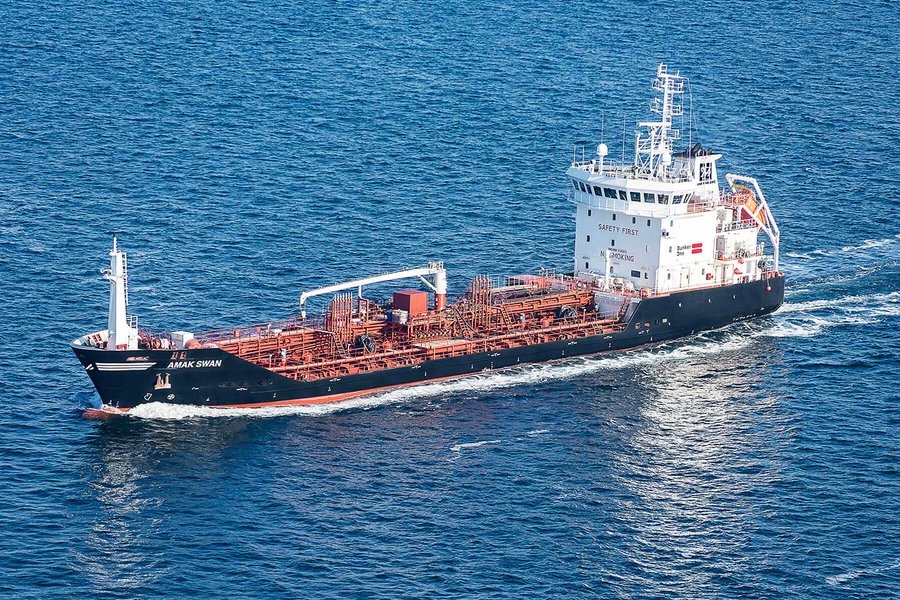

The oil tanker was stopped by men while it was sailing through a very dangerous area. It seems that the attackers used fast boats to get to the ship. This is what pirates in the Horn of Africa usually do. Even though we do not know for sure who did this experts who study security think that the takeover of the ship shows that the security in the area is getting worse.
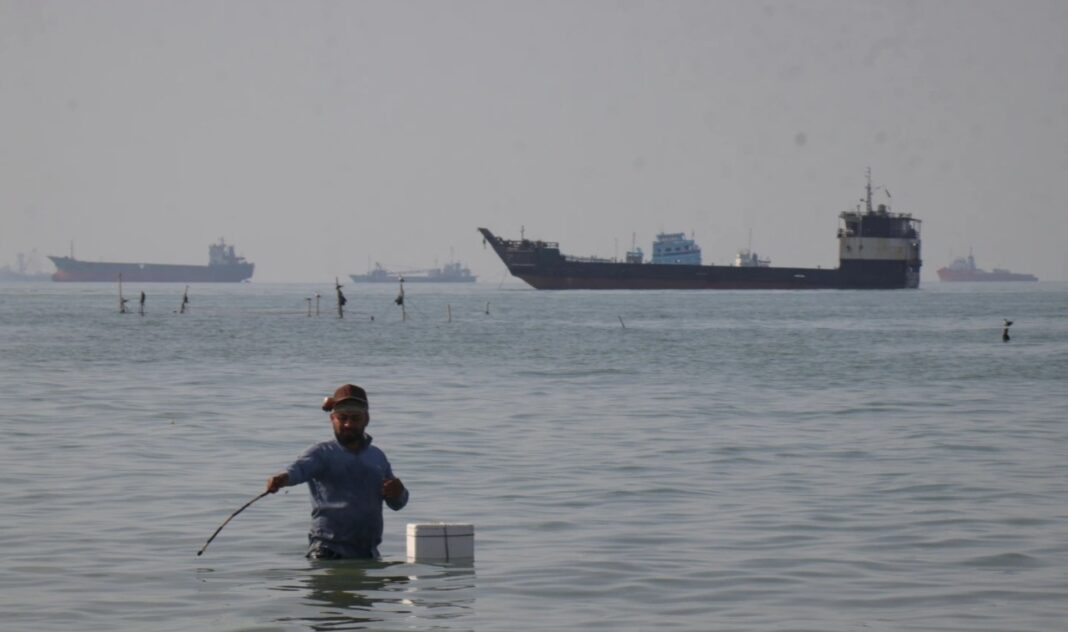
The waters near Yemen the Bab el-Mandeb Strait are some of the busiest shipping lanes in the world. This narrow passage connects the Red Sea to the Arabian Sea. Is a gateway for ships traveling between Europe and Asia. If there is a problem in this area it can affect trade right away especially for oil shipments from the Middle East.
The area has become really unstable lately because of security issues. The fighting in Yemen with the Houthi movement is a problem. It has already caused attacks on ships that carry goods. These attacks use things like drones and missiles. Because of this some companies that own these ships have had to change the way they travel or stop sailing for a bit. What happened with the oil tanker is another thing that makes the situation at sea even more risky. The situation with the oil tanker and the Houthi movement is making things worse, for ships.
Piracy is becoming a problem again off the coast of Somalia. This is happening at a time when Somali pirates are getting back to their ways. They were mostly stopped by patrols before but now it seems they are coming back. The reason for this is that the world is paying attention to conflicts, especially the ones in the Red Sea and Persian Gulf.
Security experts believe that because there are not many naval patrols as before and the military is busy, with other things pirates have been able to regroup and start doing what they do again. Piracy is a problem that is coming back. Somali pirates are taking advantage of this situation and piracy is getting worse.
The takeover of the oil tanker seems like a case of piracy. The people who did this used boats to get to the oil tanker. They used things like guns to take control of the oil tanker. They might want money from the owners of the oil tanker.
If this is what really happened it would show that Somali piracy is not something that happens sometimes but it is part of a bigger problem. This bigger problem is that the area is not very stable. Somali piracy is a part of this instability, in the area.
The situation is even more complicated because of the tension between countries in the area. The fact that the incident happened near Yemen means that armed groups might be involved, either directly or indirectly. This has led people to think that maritime attacks might be harder to distinguish from motivated actions.
The economic effects of incidents are very significant. Oil tankers carry millions of barrels of oil and any disruption to their movement can affect energy markets. One takeover can lead to higher insurance costs for shipping companies more expensive transportation and delays. Over time these factors can contribute to fuel prices and more economic uncertainty.
Shipping companies are already taking precautions. Many ships that sail through high-risk areas now have security teams on board they use special navigation strategies and they are always in touch with maritime security centers. Despite these efforts it is hard to protect the ships because of the vastness of the ocean and the unpredictability of the attacks.
The international community will likely respond strongly to the growing threat. In the past international naval coalitions have played a role in stopping Somali piracy through joint patrols and quick response operations. There are more calls for similar initiatives to be started again to deal with the current surge in incidents. However it might be hard to achieve this coordination because of the competing priorities of powers involved in other regional conflicts.
Another big concern is the safety of the crew on the tanker. The people who work on ships are often the ones who suffer the most in incidents facing violence being held captive for a long time and experiencing psychological trauma. Making sure they are released safely is a priority for shipping companies and international authorities.
The takeover of the oil tanker also shows how connected modern security challenges are. Instability in one area whether because of conflict, economic hardship or weak governance can quickly affect systems like trade and energy supply. In this case the combination of conflict near Yemen and the resurgence of piracy near Somalia shows how many risk factors can come together to create security threats.
The situation is still developing. The authorities are working to confirm the details of the takeover track the movement of the ship and find out who is responsible. Meanwhile shipping operators are reevaluating the risks. Thinking about using different routes even if they are longer and more expensive.
In conclusion the reported takeover of the oil tanker near Yemen is not an event but part of a bigger pattern of rising maritime insecurity in a very important region. Whether it is driven by piracy, conflict or both such incidents remind us of the weaknesses, in trade networks. To deal with these challenges we need international efforts, a strong naval presence and long-term strategies to stabilize the regions that create these threats.
A new wave of trouble has hit one of the worlds important shipping routes. This is because an oil tanker was taken over by men in the waters near Yemen. The whole world is watching this because of the ship that was taken and also because of the timing. There is a lot of tension between countries now and piracy is becoming a problem again in the area from the Gulf of Aden to the coast of Somalia.
The oil tanker was stopped by men while it was sailing through a very dangerous area. It seems that the attackers used fast boats to get to the ship. This is what pirates in the Horn of Africa usually do. Even though we do not know for sure who did this experts who study security think that the takeover of the ship shows that the security in the area is getting worse.
The waters near Yemen the Bab el-Mandeb Strait are some of the busiest shipping lanes in the world. This narrow passage connects the Red Sea to the Arabian Sea. Is a gateway for ships traveling between Europe and Asia. If there is a problem in this area it can affect trade right away especially for oil shipments from the Middle East.
The area has become really unstable lately because of security issues. The fighting in Yemen with the Houthi movement is a problem. It has already caused attacks on ships that carry goods. These attacks use things like drones and missiles. Because of this some companies that own these ships have had to change the way they travel or stop sailing for a bit. What happened with the oil tanker is another thing that makes the situation at sea even more risky. The situation with the oil tanker and the Houthi movement is making things worse, for ships.
Piracy is becoming a problem again off the coast of Somalia. This is happening at a time when Somali pirates are getting back to their ways. They were mostly stopped by patrols before but now it seems they are coming back. The reason for this is that the world is paying attention to conflicts, especially the ones in the Red Sea and Persian Gulf.
Security experts believe that because there are not many naval patrols as before and the military is busy, with other things pirates have been able to regroup and start doing what they do again. Piracy is a problem that is coming back. Somali pirates are taking advantage of this situation and piracy is getting worse.
The takeover of the oil tanker seems like a case of piracy. The people who did this used boats to get to the oil tanker. They used things like guns to take control of the oil tanker. They might want money from the owners of the oil tanker.
If this is what really happened it would show that Somali piracy is not something that happens sometimes but it is part of a bigger problem. This bigger problem is that the area is not very stable. Somali piracy is a part of this instability, in the area.
The situation is even more complicated because of the tension between countries in the area. The fact that the incident happened near Yemen means that armed groups might be involved, either directly or indirectly. This has led people to think that maritime attacks might be harder to distinguish from motivated actions.
The economic effects of incidents are very significant. Oil tankers carry millions of barrels of oil and any disruption to their movement can affect energy markets. One takeover can lead to higher insurance costs for shipping companies more expensive transportation and delays. Over time these factors can contribute to fuel prices and more economic uncertainty.
Shipping companies are already taking precautions. Many ships that sail through high-risk areas now have security teams on board they use special navigation strategies and they are always in touch with maritime security centers. Despite these efforts it is hard to protect the ships because of the vastness of the ocean and the unpredictability of the attacks.
The international community will likely respond strongly to the growing threat. In the past international naval coalitions have played a role in stopping Somali piracy through joint patrols and quick response operations. There are more calls for similar initiatives to be started again to deal with the current surge in incidents. However it might be hard to achieve this coordination because of the competing priorities of powers involved in other regional conflicts.
Another big concern is the safety of the crew on the tanker. The people who work on ships are often the ones who suffer the most in incidents facing violence being held captive for a long time and experiencing psychological trauma. Making sure they are released safely is a priority for shipping companies and international authorities.
The takeover of the oil tanker also shows how connected modern security challenges are. Instability in one area whether because of conflict, economic hardship or weak governance can quickly affect systems like trade and energy supply. In this case the combination of conflict near Yemen and the resurgence of piracy near Somalia shows how many risk factors can come together to create security threats.
The situation is still developing. The authorities are working to confirm the details of the takeover track the movement of the ship and find out who is responsible. Meanwhile shipping operators are reevaluating the risks. Thinking about using different routes even if they are longer and more expensive.
In conclusion the reported takeover of the oil tanker near Yemen is not an event but part of a bigger pattern of rising maritime insecurity in a very important region. Whether it is driven by piracy, conflict or both such incidents remind us of the weaknesses, in trade networks. To deal with these challenges we need international efforts, a strong naval presence and long-term strategies to stabilize the regions that create these threats.