
WHO: 906 Ebola Cases in DRC, 223 Suspected Deaths
The World Health Organization reported on Friday that 906 suspected cases of Ebola have been recorded in the Democratic Republic of Congo, including 223 suspected deaths under active investigation. The outbreak, caused by the Bundibugyo strain of the virus, has also spread to Uganda. It is the 17th Ebola outbreak declared in the DRC since the virus was first identified there in 1976, and the first involving the Bundibugyo strain for which no approved vaccine or treatment exists.
The outbreak of the Bundibugyo strain of Ebola is continuing in the DRC, with cases also reported in Uganda. There have been 125 confirmed cases of Ebola in the DRC, including 17 confirmed deaths in Ituri, North Kivu and South Kivu. There have also been seven confirmed cases of Ebola in Uganda, three of which were imported from the DRC, and one death. However, no community transmission has been reported, the WHO said. Yahoo!
The confirmed fatality rate among those with laboratory-verified infections is severe. Anais Legand from the High Threat Pathogens Team, which is part of the WHO Health Emergencies Programme, put the figure in stark terms. “It’s huge. It means that up to five out of 10 people are likely to die,” Legand said, adding that the data is preliminary and requires further investigation. She stressed that early care could help bring fatality rates down. Daily Maverick
The rate of people who died among those confirmed to have the infection ranges from 30% to 50%, Legand said. WHBL
Legand addressed the question of whether the outbreak has peaked. “As for whether the peak has passed, investigations are still ongoing. I don’t think we can say that at this stage,” she said. She added that the rising number of suspected cases is partly a sign that surveillance is improving, and expressed hope that a backlog of test samples will be processed within days. Daily Maverick
A strain without tools
The Bundibugyo virus makes this outbreak significantly harder to contain than recent Ebola outbreaks in the DRC. There are currently two approved vaccines against Ebola disease, but neither is approved for use in cases of infection with the Bundibugyo virus. The vaccines, including Ervebo (rVSV-ZEBOV), were developed to target the Zaire strain — the virus responsible for the catastrophic 2014–2016 West Africa epidemic and the major DRC outbreaks of 2018–2020. doctorswithoutborders
While there is an approved treatment and a preventive vaccine for Zaire, there is no treatment or vaccine for the Bundibugyo virus currently spreading in DRC. Medical teams can give patients the best chance of survival by helping to manage the symptoms of the virus and treating other diseases the patient may have. Doctors Without Borders
Médecins Sans Frontières, also known as Doctors Without Borders, is running a large-scale response in the DRC. Trish Newport, MSF’s emergency programme manager, described the pace at which the outbreak has developed. “The number of cases and deaths we are seeing in such a short timeframe, combined with the spread across several health zones and now across the border, is extremely concerning,” Newport said. Doctors Without Borders
Conditions on the ground
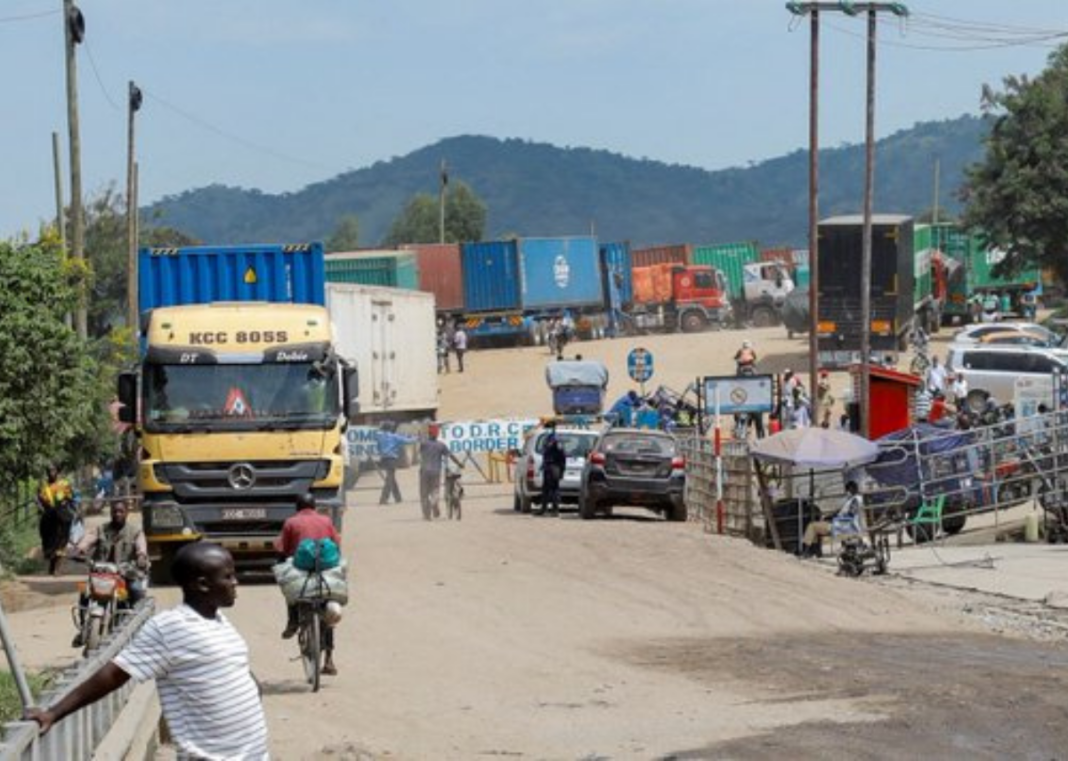
The outbreak is centred in Ituri province in northeastern DRC, with cases also confirmed in North Kivu and South Kivu. It is currently thought that the event originated in the Mongbwalu health zone — a high-traffic mining area — with cases subsequently migrating to Rwampara and Bunia to seek medical care. Ituri province borders South Sudan and Uganda, and Bunia health zone is less than 500 kilometres from Uganda. WHO
Response efforts in eastern DRC are largely affected by insecurity, population movement, weak contact follow-up, and challenges with extensive mining in the areas. The outbreak went undetected for weeks in part because initial tests targeted the Zaire strain and returned negative results, according to outbreak tracking data. National Institute for Communicable Diseases
The WHO has assessed the risk at different geographic levels. The risk of spread of the outbreak is assessed as very high at the national level in DRC, high at the regional level, and low globally. National Institute for Communicable Diseases
Regional response and international alarm
On 17 May 2026, the WHO Director-General determined that the Ebola disease caused by Bundibugyo virus in DRC and Uganda constitutes a public health emergency of international concern, as defined in the provisions of the International Health Regulations. The determination did not meet the criteria of a pandemic emergency. The PHEIC declaration — the WHO’s highest level of alert — triggered formal international response obligations. WHO
Public health response in both countries includes deployment of rapid response teams, strengthening laboratory confirmation, contact tracing, isolation and treatment of cases, and cross-border coordination between high-risk countries. National Institute for Communicable Diseases
The US Centers for Disease Control and Prevention issued a Level 1 Travel Health Notice for the DRC on May 15, 2026, according to the CDC. The CDC is working through its country offices and partners in DRC and Uganda to provide technical assistance with disease tracking and contact tracing, laboratory sample collection and testing, virus sequencing, infection prevention and control efforts, border health screening, and coordination with affected countries and international public health partners. CDC
Background
This is the 17th Ebola disease outbreak DRC has experienced since the first case was discovered in 1976, and the third to specifically involve the Bundibugyo virus, following outbreaks in Uganda in 2007–2008 and in DRC in 2012. The outbreak was officially declared by the DRC Ministry of Public Health on May 15, 2026, the same day Uganda confirmed its first imported case — a 59-year-old Congolese man who died in Kampala. The WHO said in early May that the outbreak in eastern DRC likely started approximately two months ago. The gap between the probable start of transmission and the official declaration alarmed health experts because the virus spread across a densely populated area during that period, making contact tracing far more difficult. The first recovered patient was discharged from a health centre in the DRC after receiving two negative tests, Legand said. doctorswithoutborders + 2
What happens next
The WHO’s IHR Emergency Committee has issued temporary recommendations to all States Parties to respond to and prepare to respond to the PHEIC. The WHO said it is working to improve testing capacity and is hopeful that most of the backlog of samples from suspected cases will be cleared within days. MSF has said it is ready to support Ugandan health authorities and is already running a large-scale response in the DRC. The CDC has noted that case numbers are subject to change as the situation evolves. The WHO has not stated a timeline for when the outbreak might be brought under control, and Legand said it remains too early to determine whether the peak of transmission has passed. National Institute for Communicable DiseasesCDC