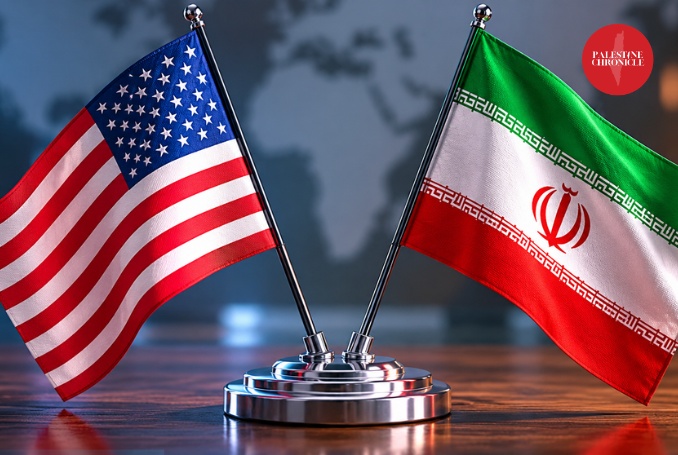

Iran declared on Friday that a pending memorandum of understanding with the United States imposes no new restrictions on its nuclear program, insisting that formal atomic negotiations will only begin within 60 days of the agreement’s signing. Tehran’s state-run Islamic Republic News Agency (IRNA) published the government’s position as both sides edge toward a deal that could formally end active hostilities between the two countries.
The ceasefire memorandum, still awaiting final sign-off from both leaderships, is designed as a first-stage instrument to halt fighting and reopen regional trade — not to resolve the nuclear file. IRNA reported that the document’s general outlines “do not include any active agreement or consensus regarding the nuclear file at this moment,” and that “Iran will not undertake any new obligations” under the initial text.
Iran’s position draws a firm dividing line between stopping the war and addressing its atomic program — two issues Washington has long sought to tie together.
What the Draft Actually Says
The memorandum of understanding, if signed, would include language lifting constraints on the Strait of Hormuz and allowing unrestricted navigation by vessels, while starting a 60-day negotiation period to address Iran’s nuclear program. The draft also makes clear that Iran will not be able to impose tolls on the Strait of Hormuz and that Tehran must remove all mines from the waterway within 30 days.
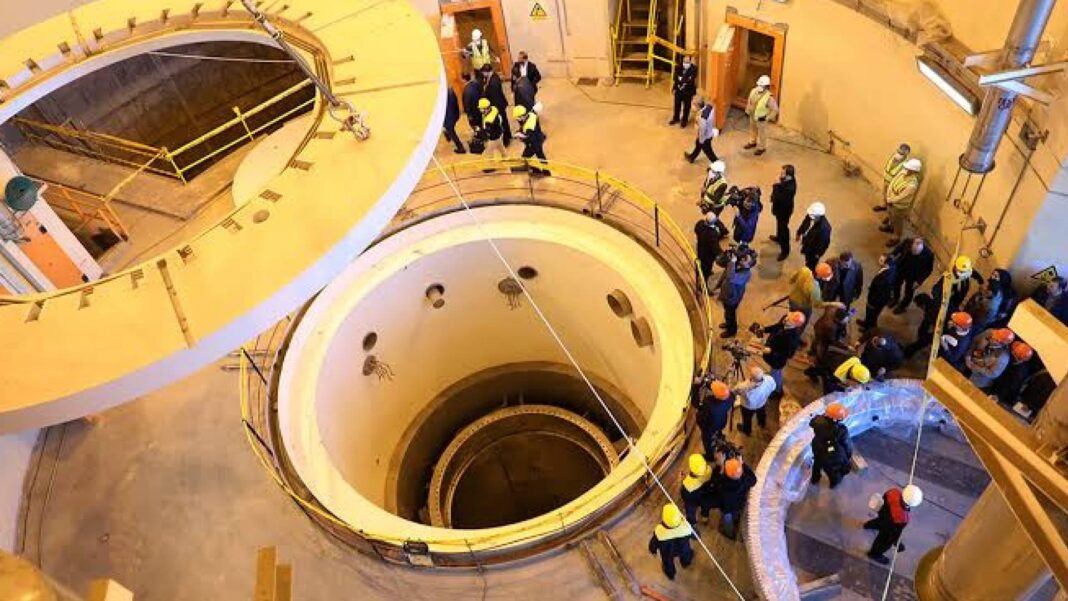
The MOU also reportedly includes a commitment from Iran not to work toward building a nuclear weapon — and during the 60-day window that follows signing, the first issue to be discussed in formal talks will be Iran’s uranium enrichment program and how to dispose of its stockpile of highly enriched uranium.
Tehran confirmed those contours Friday but moved quickly to clarify what they do not mean. According to state media, the nuclear references in the draft “only obligate Iran to its existing stance of not developing nuclear weapons,” with any further regulatory framework to be negotiated separately during the 60-day window.
Tehran’s Non-Negotiables
Iran’s Friday statement went further than simply defending the current draft — it announced the parameters it will bring into the subsequent nuclear talks. IRNA stated that future atomic negotiations will be conducted strictly within Iran’s core national principles, chief among them the formal international recognition of Tehran’s right to peaceful domestic uranium enrichment.
That position directly challenges what U.S. officials have publicly demanded. Vice President JD Vance has said Iran must “act like a normal country” before the United States would “treat you economically like a normal country,” a formulation widely understood to include limits on enrichment.
Iran also rejected one of the most-discussed confidence-building proposals currently in circulation. Tehran stipulated Friday that all existing stockpiles of enriched materials must remain physically inside Iranian borders, flatly rejecting proposals suggesting the material be shipped to a third-party country like Russia or blended down. It had previously emerged that during informal Geneva negotiations in February, Tehran had offered to downblend its stockpile from 60 percent enrichment to 3.67 percent — the level permitted under the 2015 JCPOA — but that offer did not survive subsequent rounds of talks.
The Negotiations So Far
The one-page, 14-point memorandum of understanding is being negotiated between Trump’s envoys Steve Witkoff and Jared Kushner and several Iranian officials, both directly and through mediators. Pakistan has played a central role throughout the process. Talks between the US and Iran are being mediated by Pakistan, and issues under discussion include freedom of navigation through the Strait of Hormuz, Iran’s nuclear and ballistic program, reconstruction, sanctions relief, and a long-term peace agreement.
The diplomatic track took shape after months of military escalation. On March 6, President Trump had said that only Iran’s “unconditional surrender” would be acceptable and threatened attacks on Iranian energy infrastructure and bridges if a deal was not reached, setting deadlines on March 21, then March 23, then April 7. The attacks were subsequently postponed after Pakistan arranged a conditional two-week ceasefire in April, which has since been extended.
On June 11, President Trump announced a further 60-day ceasefire to facilitate comprehensive talks following recent US strikes and Pakistan’s mediation, though Iranian officials stated no final decision has been reached and intermittent violations persist.
The Economic Pressure on Tehran
Iran is approaching these talks under significant economic strain. The Iranian economy is heavily sanctioned, particularly by the United States, and has experienced high rates of inflation since Washington withdrew from the 2015 nuclear deal in 2018 and reimposed extensive sanctions. The closure of the Strait of Hormuz — through which a significant portion of Iran’s imports and exports flow — has compounded those pressures considerably.
U.S. Treasury Secretary Scott Bessent predicted that the cost of oil could “come down very quickly” once a deal is finalized, signaling Washington’s view that a signed agreement would carry immediate economic consequences for global markets.
President Trump has said that with the conditional ceasefire, “Iran can start the reconstruction process” and “big money will be made,” framing economic recovery as an incentive for Tehran to move forward.
What Comes Next
The memorandum of understanding is expected to be signed in Geneva as early as Sunday, June 14, according to Roya News. Once signed, a formal 60-day countdown to nuclear-specific negotiations begins. Iran has stated it will only engage on the atomic file under the conditions it laid out Friday — recognition of enrichment rights and no removal of enriched stockpiles from Iranian territory.
Negotiations on the detailed agreement covering the Strait, Iran’s nuclear program, and US sanctions could take place in Islamabad or Geneva, two sources told Axios. Whether both governments can close the gap on enrichment — the issue President Trump himself identified as the central sticking point — will determine whether the 60-day window produces a durable settlement or another impasse.