
Hungary has just reached a change. Prime Minister Viktor Orbán was in charge of the country for sixteen years. He lost the election for parliament on April 12 2026. His party, Fidesz got hurt badly and now Hungary is starting a new part of its political life and this time it is led by the people who were against him.
A lot of people in Hungary paid attention to what was happening with the votes. Fidesz lost its control in Parliament. That shows people were not happy anymore. They were unhappy with how the government was doing things they were struggling with money. They were arguing with the European Union and all these things finally hurt Viktor Orbán. When it became clear that he lost Viktor Orbán did something he stepped back and said he would leave his seat, in Parliament and stay out of the news for a while, which is something he has not done in a long time.
The upset on April 12 wasn’t just about numbers—it was a shock to the system. Péter Magyar, leading the Tisza Party, pulled together an opposition coalition that managed to clinch a majority in Parliament. Just a year ago, Tisza was barely on the radar; now they’re calling the shots.
The Fidesz party had been in charge of politics since 2010.. This time around people in the cities and the suburbs did not support Fidesz as much as they used to. It seems that voters were fed up with the same party being in power for many years. At the time people were struggling with their everyday life because prices were going up and there were a lot of bitter arguments, about politics. A lot of people went out to vote which shows that they really wanted to have their say in what happens. The message that people were sending was very clear. The Fidesz party was losing support. People were looking for a change.
International observers, who were all over the process, called the election fair, with no big problems. The world’s eyes were on Budapest, and everything went off without a hitch.
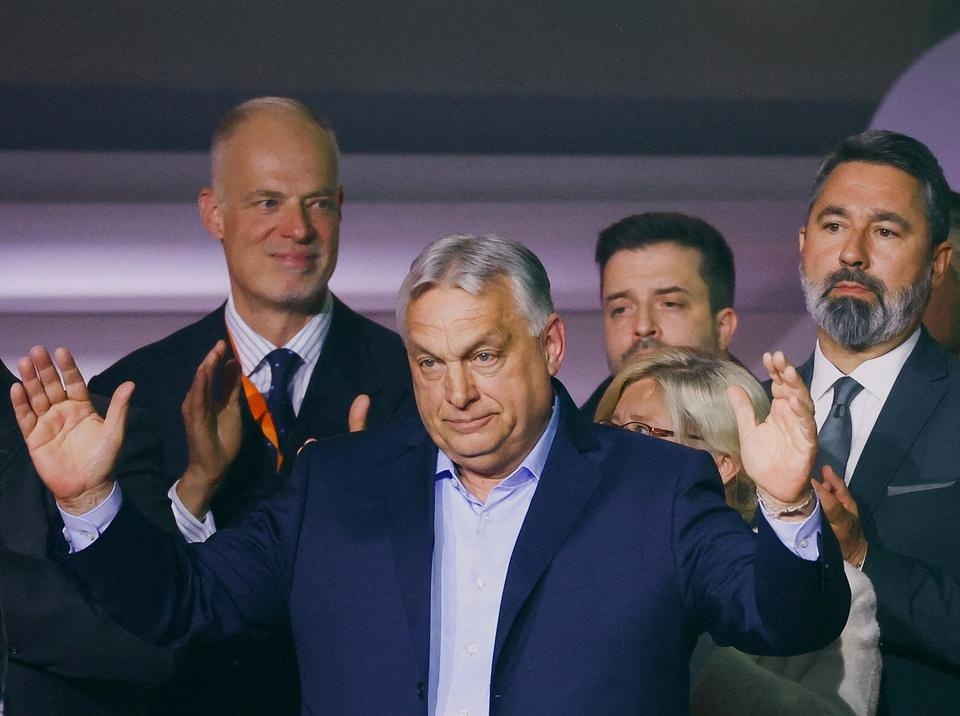
When the results came out Orbán said okay he lost. He went on television. Said he accepts that he did not win. He even said job to the people who ran against him. Orbán said it is official: he is done being the minister and he is leaving his seat in Parliament. Orbán is not completely done with politics. He is finished with the daily work at least for now. Some people think Orbán will still be involved maybe he will give advice to Fidesz. His time as the main person making big decisions is over. Orbán is finished being the leader. That is it for him, as the prime minister.
Meanwhile, Péter Magyar is about to become a household name. A while back, few would’ve guessed he’d be running the country. But he rode a wave of support from younger voters and city dwellers frustrated by stagnation and corruption. His campaign focused on cleaning up politics, getting Hungary’s institutions back on track, and patching up relations with Europe.
After his win, Magyar talked about rebuilding trust and bringing a sense of balance back into the system. Coalition talks are already underway, with smaller opposition parties likely to join him and help shape the new government.
The reaction in Hungary? Pretty stark. Orbán’s supporters are disappointed—some are genuinely worried about what’s next. But opposition voters flooded the streets celebrating what they’re calling a historic break from the past.
Across Europe, the transition has governments and EU officials breathing a sigh of relief. They’re welcoming the handover, hoping things will improve between Budapest and Brussels. There’s talk about getting on the same page about rule-of-law questions, migration, and money.
Investors are paying close attention, too—what happens next in Hungary’s economy, which has been rocky, will depend on how smoothly the new leadership settles in.
When you hear people talk about Orbán’s legacy, even his critics admit he changed Hungary in big ways. Since 2010, Orbán grabbed the reins, rewrote the rules, and steered the government in a new direction. His supporters say he kept the country stable and put Hungary’s interests first. But his opponents? They don’t hold back. They blame him for tightening his grip on the media, shrinking space for public voices, and grabbing more and more power for himself.
Now that Orbán is not in Parliament anymore everyone is watching Péter Magyar. His government has a lot of work to do. They need to fix the economy make things better with the European Union change the way the courts work and make sure the people who vote for them feel confident again. The fact that Orbán left peacefully is a test for Hungarys democracy.
If you look back April 2026 might be a moment that people will talk about for a time. The moment when Hungary closed the book on a long period of time and started a new chapter. What happens next is not totally clear. It feels like anything can happen. Orbáns legacy and Hungarys future are still on peoples minds. They are waiting to see what Péter Magyars government will do. Hungary is, at a turning point. People are curious to see what comes next for Orbáns legacy and the country.