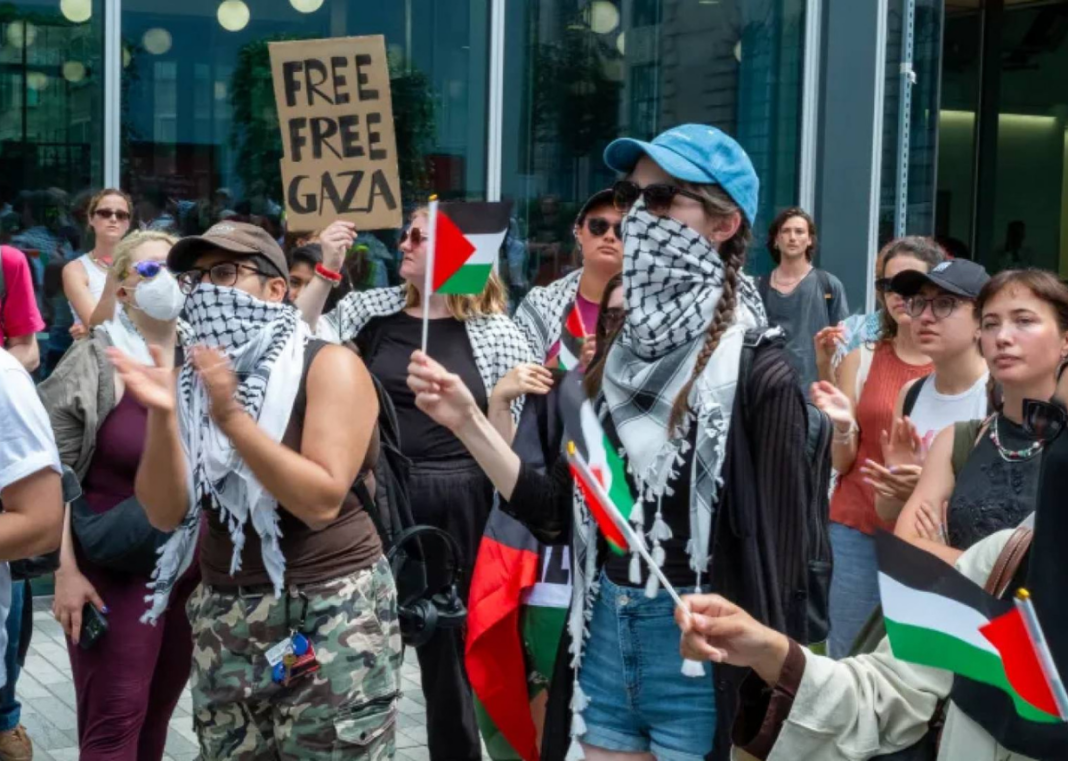

Al Jazeera and Liberty Investigates just dropped a story that’s got everyone in the UK talking. Some universities hired a private security firm—led by folks with military and intelligence experience—to keep tabs on student activists, especially those who support Palestine. Once the news broke in April 2026, it hit a nerve. Suddenly, everyone’s asking whether privacy, academic freedom, or security takes priority. Now there’s this big debate—are universities really protecting their students, or are they just spying on them?
Background of the Investigation
Here’s what actually went down: at least a dozen universities brought in Horus Security Consultancy, a company run by ex-military and intelligence people. Their job wasn’t subtle—they tracked student protests and kept detailed notes on campus events. Universities spent more than £440,000 on this since 2022, and it wasn’t just a one-off. These firms watched students consistently, for years.
How Deep Did It Go?
Horus Security didn’t just collect info passively. They dug through social media, built profiles on specific student activists, listed upcoming protests, and flagged high-profile events or speakers as “risks.” Most of their attention focused on pro-Palestine groups and individuals. Sometimes, they even ran background checks on speakers when a debate looked like it might get heated.
Almost everything they gathered came from stuff anyone could find online. But people say the scale and deliberate focus on student activists pushed this way beyond simple campus security—it started looking a lot like intelligence work.
Big Names Involved
We’re not talking about obscure colleges here. Oxford, Imperial College London, UCL, King’s College London—all featured in the report. That got everyone’s attention. When respected universities show up on these lists, students, staff, and free speech advocates don’t stay quiet.
What Universities Had to Say
Universities didn’t stay silent—they pushed back, saying their sole aim was safety, not shutting down activism. They argued hiring outside experts for security risk assessments is just standard practice and nothing sneaky was going on. Everything, they said, was already public info. No hacking, no secret recording—just keeping campus safe.
But critics aren’t reassured. Civil liberties groups say that tracking and targeting activists because of their views is crossing a line—even if the info’s public. Just knowing someone’s watching often makes people clam up.
Why People Are So Angry
To privacy campaigners and students, this looks like profiling students for daring to take a stand. It stifles discussion—students will think twice before speaking up if there’s a chance they’ll end up in some security report. The fact that a firm with intelligence connections ran the operation only makes it feel creepier. Universities are supposed to be spaces for big ideas and tough debates, not places where you worry you’re being watched.
Why is this all over the place now?
Campus protests around the Israeli-Palestinian conflict are everywhere—sit-ins, rallies, endless debates online. Sure, most protests are peaceful, but you can feel the pressure. Arguments about how much security is too much haven’t stopped. Universities are stuck—trying to defend free speech while keeping everyone safe. This situation kind of forces the whole issue into the open. Suddenly, people have to face questions they’d rather avoid.
Where the Law Stands
Technically, universities can monitor public-facing info, as long as privacy laws are respected. Legality doesn’t always mean it feels right, though. Critics want clearer rules and more transparency from universities so students don’t lose their trust. At the very least, people want to know what’s being watched and why. Some say only independent oversight can keep this type of surveillance from going too far.
Campus Reaction
On campus, students and faculty alike are rattled. Many activists had no clue their activities were being logged by security contractors. Staff point out that student trust is fragile, and this kind of surveillance—“for safety” or not—can destroy it overnight.
Some argue that universities have tough security challenges these days and can’t afford to ignore risks. But that view’s not winning over everyone right now.
So, what’s coming next?
This whole scandal pretty much guarantees that universities will have to rethink how they handle activism and campus safety. You’ll probably see tighter rules, more open conversations about what they’re actually monitoring, and a tougher review of which security companies they hire. Students and advocacy groups won’t back down—they’ll push even harder to have a voice in all this.
Honestly, it’s just another piece of a bigger, ongoing struggle. How do places like universities find that sweet spot between letting people speak out and keeping everyone safe? They’re caught right in the middle, just like everyone else these days.
The Bottom Line
British universities using private, intelligence-linked firms to keep tabs on pro-Palestine activists has cracked open big worries about privacy and trust on campus. University leaders swear they’re protecting their communities, but for many, this crossed a line.
In the end, if campuses aren’t places where you can speak your mind without feeling watched, something’s gone wrong. Getting back to that balance won’t happen overnight, and the argument over how far security should go definitely hasn’t reached its end.