
Iran Rejects Trump’s Terms to End Hormuz Blockade
Iran flatly denied on Friday that any nuclear deal had been finalised with the United States, hours after President Donald Trump declared he was lifting the US naval blockade of the Strait of Hormuz and claimed negotiations over Iran’s nuclear programme were underway. The competing statements, issued on May 29, left the status of the Strait — and the roughly 2,000 vessels trapped in or near the Gulf — unresolved. A fragile ceasefire between the two sides remains in place but has not produced a binding agreement.
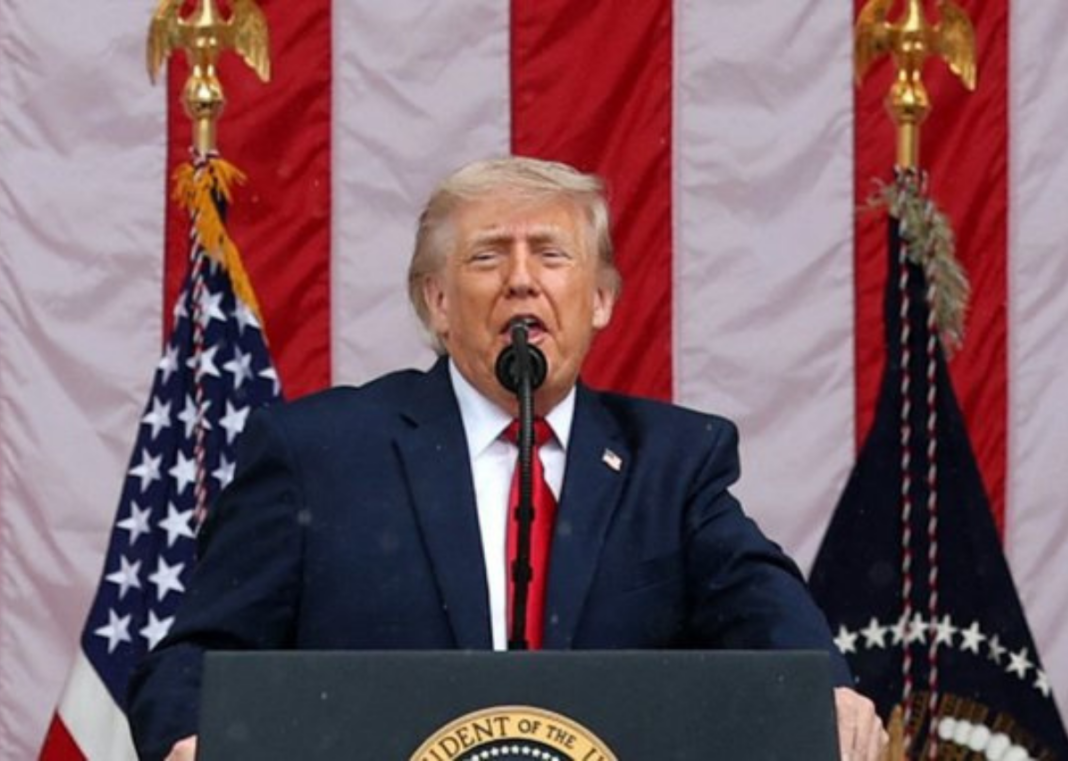
Trump, posting on his TruthSocial platform on Friday, outlined a set of conditions he said Iran had agreed to. He conditioned the lifting of the US naval blockade on Iran agreeing not to charge fees for transit in the Strait of Hormuz, and on allowing the United States access to damaged Iranian nuclear facilities in order to destroy highly enriched uranium stockpiles held there. middleeasteye
“The enriched material, sometimes referred to as ‘Nuclear Dust,’ which is buried deep underground with virtually collapsed mountains…will be unearthed by the United States…in close coordination and conjunction with the Islamic Republic of Iran, plus the International Atomic Energy Agency, and DESTROYED,” Trump wrote. middleeasteye
As a result of that stated understanding, Trump declared that ships caught in the Strait due to the US naval blockade could “start the process of heading home.” middleeasteye
Iran’s position was unambiguous. Iranian Foreign Ministry spokesman Esmaeil Baqaei told state media that “exchanges of messages are continuing, but no final agreement has been reached yet,” directly contradicting Trump’s characterisation of the situation. middleeasteye
Iran’s Fars news agency, which has close ties to the Islamic Revolutionary Guard Corps, described Trump’s comments as a “mixture of truth and lies,” and said his claim that any deal included the extraction and destruction of Iran’s highly enriched uranium was “fundamentally baseless.” middleeasteye
The contradiction between the two governments’ accounts left global energy markets in an uncertain position. Brent Crude, the international benchmark for oil prices, fell 1.5 percent on Friday. It has dropped approximately 15 percent since the start of May on expectations that Iran and the US will expand their ceasefire and allow vessels and energy shipments to move through the Strait of Hormuz once more. middleeasteyemiddleeasteye
The physical reality at Hormuz, however, remained unchanged. The Strait is effectively closed on both sides: Iranian vessels and ships carrying Iranian oil cannot transit because of the US blockade, while the approximately 2,000 other ships stuck in the Gulf cannot move because of Iran’s own controls over the waterway. Tehran has allowed some vessels to pass through if they pay a toll or negotiate terms directly with Iranian authorities. middleeasteyemiddleeasteye
Trump’s Friday post rejected that system outright. “The Hormuz Strait must be immediately open, no tolls, for unrestricted shipping traffic, in both directions,” Trump wrote, also calling on Iran to remove any mines from the Strait. middleeasteye
Fars said Trump had claimed Iran was obligated to open the Strait without tolls, but noted that no such clause appears in the text of any agreement. middleeasteye
The dispute over the toll system is one of several financial sticking points. Iran has demanded sanctions relief and the unfreezing of billions of dollars held in funds abroad as part of any ceasefire extension. Trump closed off that avenue on Friday. He wrote that “No money will be exchanged, until further notice,” though it remained unclear whether that language applied only to frozen funds or also to any potential waivers allowing Iran to sell oil on the global market without sanctions penalties. middleeasteyemiddleeasteye
Trump also said he was heading to the White House Situation Room to make what he called “a final determination” on extending the ceasefire, according to his Friday posts.
Diplomatic activity continued in parallel with the public statements. Pakistani Foreign Minister Ishaq Dar travelled to Washington on Friday and met US Secretary of State Marco Rubio. Pakistan has served as a key intermediary between Washington and Tehran throughout the conflict. Iranian Foreign Minister Abbas Araghchi also held a call on Friday with his Omani counterpart, Badr Albusaidi. middleeasteyemiddleeasteye
Oman’s involvement adds a layer of tension. Muscat had been mediating between the two sides before the United States and Israel attacked Iran in February. This week, Trump threatened to “blow up” Oman if it agreed to work with Iran on a fee system for Strait of Hormuz transit. middleeasteye
Regional and Global Impact
Energy market movements show how acutely the standoff is being watched: Brent Crude has shed roughly 15 percent of its value this month alone, driven by expectations — so far unfulfilled — that the Strait will reopen to normal traffic. Saudi Aramco’s chief executive has said the world is losing 100 million barrels of oil per week while Hormuz remains closed, according to Middle East Eye reporting. Gulf states, heavily dependent on Hormuz for oil export revenues, face prolonged economic disruption as long as the Strait remains contested. middleeasteye
For Iran, any deal that strips it of toll revenue and demands access to its nuclear sites — without securing the sanctions relief and frozen asset releases it has demanded — would represent a significant concession. Tehran’s public rejection of Trump’s framing suggests the two sides remain far apart on the core terms.
Background
The United States and Israel attacked Iran in February, triggering the current conflict and the subsequent closure of the Strait of Hormuz. The US bombed three Iranian nuclear facilities in June 2025. A ceasefire has since held in a fragile form, preventing a full-scale resumption of hostilities but leaving the Strait sealed and diplomatic channels under strain. The Strait of Hormuz is one of the world’s most critical energy chokepoints, through which a significant share of global oil and liquefied natural gas passes. Iran has used control over the waterway as leverage in its standoff with the United States, imposing tolls and restricting transit for vessels it deems hostile. middleeasteyemiddleeasteye
What Happens Next
Trump said on Friday he would enter the White House Situation Room to make a formal determination on whether to extend the existing ceasefire. Iranian Foreign Minister Araghchi’s call with his Omani counterpart Badr Albusaidi indicates back-channel diplomacy is continuing, with Muscat still involved despite Trump’s threats against Oman this week. Pakistani Foreign Minister Ishaq Dar’s Washington meeting with Secretary of State Marco Rubio signals that Islamabad’s mediation role remains active. Iranian Foreign Ministry spokesman Baqaei indicated that message exchanges between Tehran and Washington are ongoing, though he said no final agreement is imminent. Energy markets are expected to remain volatile until one side confirms, or formally rejects, any extension of the ceasefire.