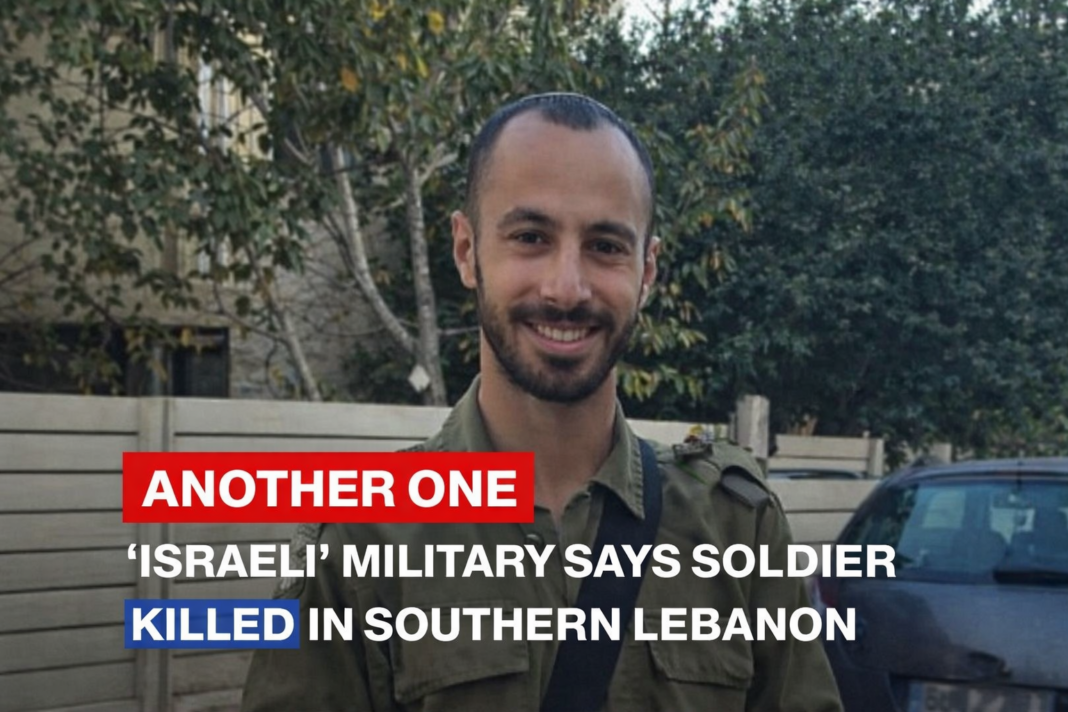

The fighting between Israel and Lebanon has stopped for now.. It does not feel like the fighting between Israel and Lebanon is really over. Even though Israel and Lebanon agreed to a truce there are still reports of fights between Israel and Lebanon and people’re worried about security and there is lots of destruction. This makes people wonder if the agreement, between Israel and Lebanon will really last.
For weeks there was more violence, mostly between Israel and Hezbollah. Both sides finally agreed to stop fighting. Southern Lebanon got hit the hardest. There were rocket attacks, airstrikes and artillery fire that destroyed towns and villages. Thousands of people got. Over a million people had to leave their homes. Neighborhoods were. Basic services stopped working. Other countries quickly urged both sides to calm down and avoid a humanitarian disaster.
So in mid-April 2026 Lebanon and Israel agreed to a ceasefire that would last for ten days.
The main goal of this ceasefire was to stop the violence. This pause, in fighting would allow civilians to try to go to their homes.
It would also give diplomats a chance to figure out a way to move forward with the situation.
Lebanon and Israel were really hoping this ceasefire would help calm things down.
The deal included mechanisms to monitor incidents and called for scaling back forces along the southern border. The situation is still very tense.
- The heavy bombings have stopped,. There is still activity along the border.
- I have seen forces in some areas. Locals can also see military convoys moving around.
- Israel says it needs to be ready for any threats from Hezbollah. They are taking it seriously.
- Lebanon sees these Israeli moves as violations. They are unhappy, about it.
- This back-and-forth has led to incidents. An explosions, some retaliatory strikes. That make it hard for people to believe the fighting won’t start up again.
Life in Lebanon is very tough.
- Entire neighborhoods have been destroyed and homes, schools and hospitals are either gone or barely standing.
- For people trying to find shelter, its difficult.
- Clean water, food and medicine are hard to find.
- Aid groups are working but the needs are huge.
- Even in places where fighting has stopped civilians face the constant threat of landmines and unexploded bombs.
Both Israel and Lebanon are on edge.
- Lebanon accuses Israel of overstepping and Israel says its just protecting itself.
- Hezbollah has warned that if Israel breaks the ceasefire they’ll strike back.
- Nobody really trusts the side and with many armed groups, in the area even one mistake could lead to a new conflict.
The ceasefire has caught everyones attention globally.
- It’s not just about Israel and Lebanon; there’s a fear that this could spill over and drag other countries in.
- The wider Middle East is already a region.
- People are hoping that this shaky truce can be turned into something but that will only happen if the deeper issues get addressed.
The violence has left a mark on everyone involved families and kids.
- Trauma, anxiety and uncertainty will be around long after the bombs and rockets stop.
- It’s not about rebuilding houses and roads; it’s about finding a way to restore some normalcy and trust.
Now this ceasefire is just a pause, not a real solution.
- The guns have mostly fallen silent. The tension, hardship and lack of faith between the two sides make things very fragile.
For Lebanon the next steps are tough: trying to rebuild communities while watching the border warily.
- What happens next depends on what both sides and the diplomats choose to do.
- If they manage to keep this truce going and work toward an agreement maybe there’s hope.
- For now the ceasefire is just a starting point.
- That’s it— the first step, on a long uncertain road.