
Parents of abducted schoolchildren in southwestern Nigeria are demanding urgent government action after a series of mass kidnappings expanded the country’s long-running security crisis into areas previously less affected by such attacks. According to Reuters, more than 30 children and several teachers were kidnapped during coordinated attacks on schools in Oyo State in May, raising concerns about the spread of armed criminal networks beyond northern Nigeria.
The attacks took place at multiple schools, including Baptist Nursery and Primary School in Yawota and schools in the Ahoro Esinele community of Oriire district. Reuters reported that gunmen targeted educational facilities, abducting at least 39 pupils and seven teachers during one of the incidents. One teacher was later killed while in captivity.
Residents said the kidnappers arrived wearing military-style uniforms before opening fire and forcing children and teachers into nearby bushland. According to Reuters, some students managed to escape during the chaos, but dozens remained missing weeks after the attacks.
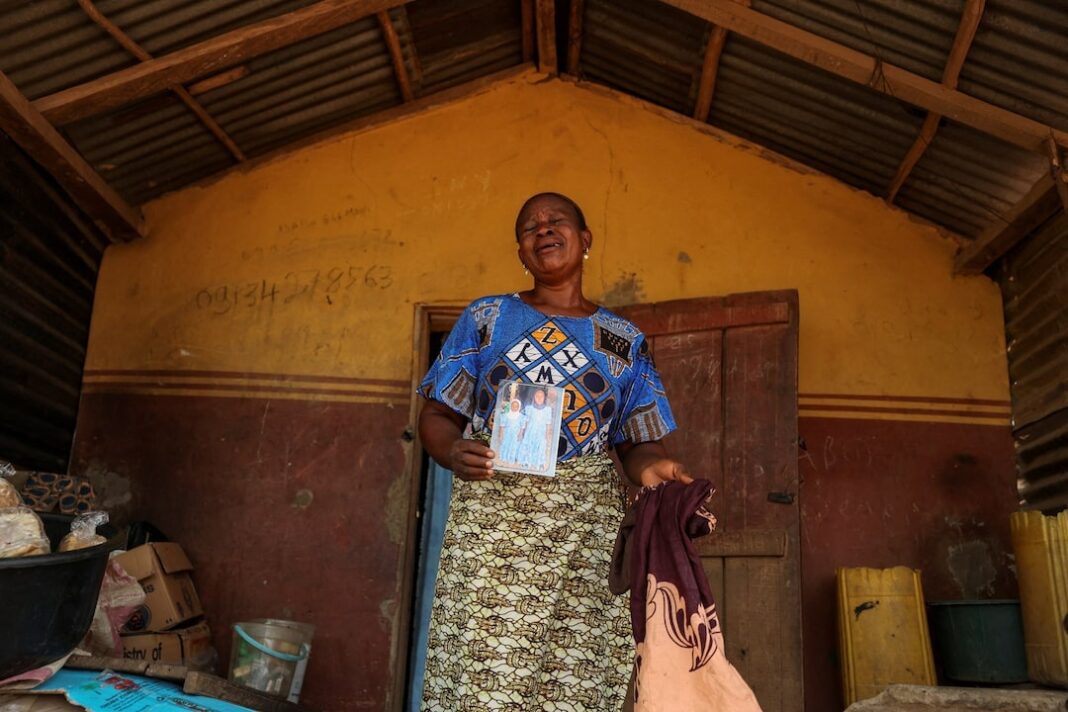
Families of the victims have expressed growing frustration over the lack of progress in securing the children’s release. Reuters reported that many parents continue to wait for information about the whereabouts and condition of their children while security operations remain ongoing.
“We want our children back,” parents told Reuters, reflecting the fears and anger spreading through affected communities as schools remain under increased security surveillance.
Oyo State Governor Seyi Makinde said authorities had arrested six suspects linked to the kidnappings, including individuals accused of providing logistical support and information to the attackers. According to Reuters, security forces launched rescue operations involving the military, police, and local vigilante groups.
Makinde said one abducted teacher was killed in captivity, citing video evidence received by authorities. He also said security personnel encountered improvised explosive devices planted by the kidnappers during rescue attempts, resulting in injuries to several operatives. “Six suspects have been arrested locally, including alleged informants and logistics suppliers to the kidnappers,” he said, according to Reuters.
President Bola Tinubu condemned the killing and pledged federal support for efforts to recover the abducted children and teachers. Reuters reported that tactical police units and intelligence teams were deployed to assist local authorities. Tinubu described the teacher’s killing as “barbaric” and said federal agencies were working closely with Oyo State officials to secure the victims’ release.
Security analysts told Reuters that the attacks could become a significant political issue ahead of Nigeria’s 2027 presidential election. The spread of kidnappings into southwestern states has increased scrutiny of the government’s security policies and its ability to contain armed criminal groups.
The latest incidents follow a broader pattern of school abductions across Nigeria. Reuters reported that armed groups have increasingly targeted schools, rural communities, travelers, and religious gatherings for ransom payments. While most large-scale school kidnappings have occurred in northern states, recent attacks suggest criminal networks may be expanding their operations into southern regions.
In May, suspected militants also abducted students from a school in Borno State in northeastern Nigeria. According to Reuters, at least 42 children were reported missing after an attack on Mussa Primary and Junior Secondary School in Askira-Uba Local Government Area.
The growing insecurity has disrupted education in several communities. Reuters reported that some schools in affected areas have increased security measures, while others have temporarily suspended activities because of safety concerns.
Regional and Global Impact
The spread of kidnappings into southwestern Nigeria has raised concerns about security across one of Africa’s largest economies. According to Reuters, analysts believe continued attacks could affect public confidence in government institutions and become a major issue during future national elections.
The crisis has also drawn international attention because of Nigeria’s history of mass school abductions, including the 2014 kidnapping of more than 270 schoolgirls in Chibok by Boko Haram militants. Reuters reported that school attacks remain a symbol of the country’s broader security challenges.
Background
Nigeria has faced persistent kidnapping and insurgency-related violence for more than a decade. Reuters reported that criminal gangs and militant groups have increasingly used mass abductions to obtain ransom payments and exert control over rural areas.
Many of the largest school kidnappings in recent years occurred in northern states, including Kaduna, Katsina, Niger, and Zamfara. According to Reuters, hundreds of students have been abducted in separate incidents since 2020, although many were eventually released following negotiations or rescue efforts.
The recent attacks in Oyo State mark a shift toward southwestern regions that historically experienced fewer mass school kidnappings. Reuters said local communities now fear that criminal groups are expanding their operational reach.
What Happens Next
Nigerian security agencies continue rescue operations aimed at locating the abducted children and teachers. Reuters reported that authorities remain in contact with individuals connected to the kidnappers while investigations continue.
Federal and state governments have pledged additional security deployments around schools and vulnerable communities. According to Reuters, police tactical units and intelligence teams will remain involved in efforts to secure the victims’ release and identify those responsible.
Officials have not announced a timeline for the recovery of the remaining abductees, but authorities say operations will continue until all victims are accounted for.