
A study from Israel that came out this week says that a lot of people in Gaza did not have food because of decisions that were made on purpose. These decisions made it hard for people to get food and help during the war. This is what Middle East Eye is reporting. The people in Gaza had a tough time getting the things they needed because of these decisions. The study from Israel is talking about the war. How it affected the people, in Gaza particularly when it comes to food and humanitarian aid. The findings were published as humanitarian organizations continued to warn about severe malnutrition and food insecurity across the Palestinian territory.
According to Middle East Eye, the study was conducted by Israeli academics and public health researchers who examined food availability, aid access, and nutritional conditions in Gaza during the conflict. The researchers concluded that the humanitarian crisis could not be explained solely by wartime disruption and was instead linked to policies that limited the entry and distribution of essential supplies.
The report adds to a growing body of assessments from international aid organizations and human rights groups that have raised concerns about hunger and malnutrition in Gaza. According to Doctors Without Borders, also known as MSF, restrictions on humanitarian assistance and commercial goods created what the organization described as a “manufactured” malnutrition crisis affecting civilians, particularly children and pregnant women.
One of the authors of the Israeli study said the evidence reviewed by researchers pointed to policy choices rather than unavoidable wartime conditions. According to Middle East Eye, the researchers argued that decision-makers had sufficient information about deteriorating food conditions in Gaza while restrictions remained in place.
The study comes amid continuing debate over responsibility for the humanitarian situation in the territory. Israeli officials have repeatedly rejected accusations that starvation has been used as a policy tool and have argued that aid deliveries were affected by security concerns and distribution challenges during the conflict. According to previous Israeli government assessments cited by The Jerusalem Post, officials disputed claims that starvation deaths reflected a deliberate Israeli policy and challenged some of the data used by Palestinian authorities and aid groups.
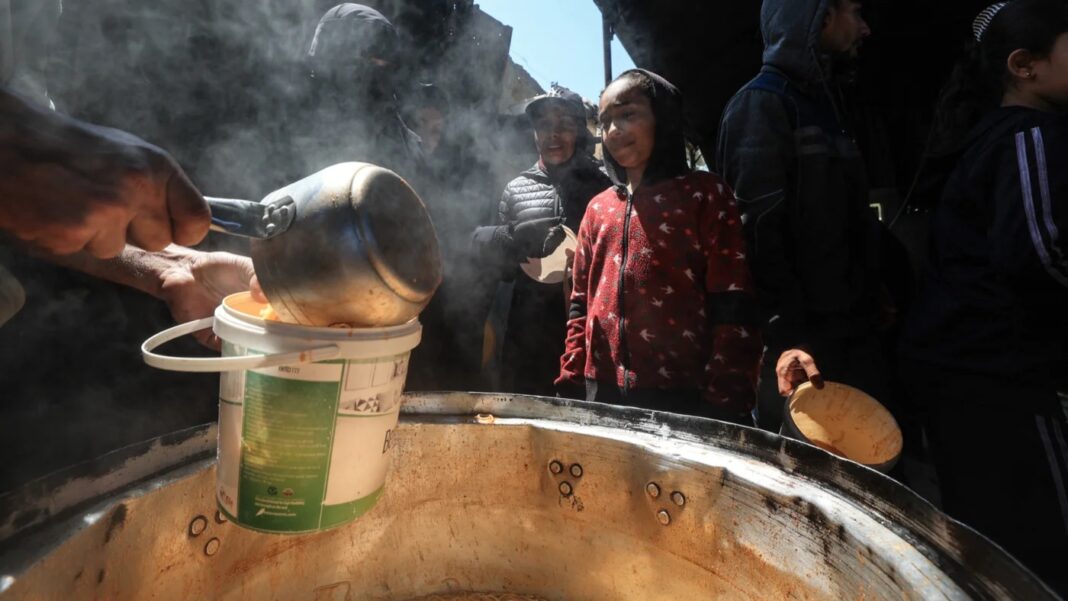
Humanitarian organizations have continued to report severe food shortages despite periods of ceasefire and aid access. MSF stated in a May report that the blockade and restrictions on supplies had severely limited access to food and clean water for more than two years. The organization said thousands of children had been admitted to nutrition programs and described the crisis as preventable.
“The malnutrition crisis is entirely manufactured,” said Mercè Rocaspana, an MSF medical adviser for emergencies, in the organization’s report. She said systematic restrictions on aid and commercial goods had severely reduced access to food and water in Gaza.
Human Rights Watch has also accused Israeli authorities of undermining humanitarian access during periods intended to provide relief to civilians. The organization said aid volumes entering Gaza remained below required levels and called for unrestricted humanitarian access through all available crossings.
Regional humanitarian agencies have warned that food insecurity continues to affect large portions of Gaza’s population. According to MSF, many families adopted coping mechanisms that included reducing food consumption and prioritizing limited supplies among household members. Medical workers reported growing numbers of malnutrition cases among children and vulnerable adults.
The findings of the Israeli study are likely to intensify international scrutiny of the conduct of the war and humanitarian policies affecting Gaza. Several human rights organizations, including Amnesty International, have previously argued that restrictions on aid contributed directly to widespread hunger and suffering among civilians.
For Israel, the study presents criticism originating from within the country’s own academic community rather than from foreign governments or international advocacy groups. The conclusions may also become part of ongoing discussions among international organizations examining the humanitarian consequences of the conflict.
Background
The war in Gaza began after the Hamas-led attack on Israel on October 7, 2023, and has resulted in extensive destruction across the territory. Throughout the conflict, humanitarian agencies repeatedly warned of worsening food shortages and the risk of famine. Israel maintained varying restrictions on the movement of goods and aid into Gaza, citing security concerns. International organizations including MSF, Human Rights Watch, and Amnesty International have argued that those restrictions contributed to severe humanitarian conditions. Israeli authorities have consistently rejected accusations that starvation was used deliberately as a weapon of war.
What Happens Next
The study will be looked at by researchers and humanitarian organizations and also policymakers who are trying to understand what the Gaza war did to people in need. Aid agencies continue to call for expanded access to food, medicine, and essential supplies entering the territory. International human rights groups have urged governments and international institutions to investigate allegations related to restrictions on humanitarian assistance. Israeli officials have not indicated any change in their position regarding accusations of deliberate starvation and continue to reject such claims, according to previous public statements.