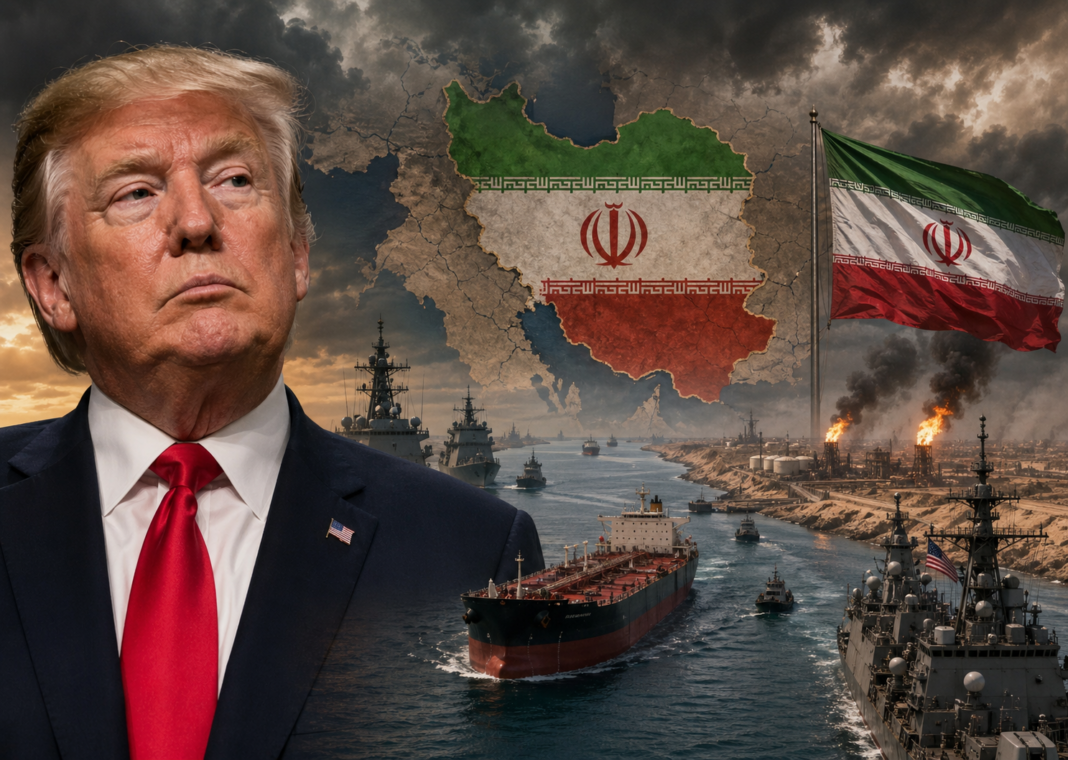


The United States officials are getting really worried about something they call a ” conflict.” This means a situation where there is no war but also no real peace. It is like a stalemate where things do not move forward. The United States is concerned that this could happen, in the Middle East. They think that these disagreements could lead to an exhausting fight that never really ends.
The main idea is that the United States and its enemies could just keep staring at each other with some fights and disagreements but nothing big. There would be no peace, just a lot of military presence some occasional outbreaks of violence and hard negotiations that do not lead anywhere. The United States and its rivals could be stuck in this situation for years with no end in sight.
A “frozen conflict” is not about fighting. It is like sitting on a big bomb waiting for it to explode. Everyone is too afraid to back down. Negotiations always fail. Both sides keep adding pressure, military, economic or otherwise but no one is willing to make a deal. This situation can last for decades with some bursts of violence. No real end.
Now the United States is worried about what is happening with Iran. Things have gotten worse with sanctions, more military presence and a lot of maneuvering in important places like the Strait of Hormuz. This is not a problem for the region it could also affect the whole world because it could mess with the oil routes and cause chaos in the energy markets.
The problem is that there is no way out. Of moving towards peace talks or a big fight both sides are just staying in their positions using tactics like containment and deterrence. The United States is relying heavily on sanctions, military deterrence and diplomatic isolation. Iran is. Holding onto its goals. No one is willing to give in. That is what is pushing everything towards a frozen conflict.
Inside the United States government there is a lot of disagreement. Some people think that the United States should put pressure on Iran with more sanctions, a stronger military presence and tighter diplomatic squeeze. They think that this could eventually make Iran back down without a war. Others think that the United States should use stronger military force maybe with some limited strikes or tougher deterrence.. This is a big risk because it could lead to chaos in the region.
This disagreement shows how complicated and messy things have become. There is no agreement and the stakes are getting higher and higher.
The United States officials are most worried about what happens if the United States gets stuck in this situation. For one thing a long-term commitment would use up a lot of diplomatic resources, which could be used elsewhere. The constant instability in the Middle East would mess with energy prices, shipping lanes. Could disrupt the global supply chains. On top of that there is the problem of fatigue back home. The public and the congress usually lose support for an endless engagement.. Then there is the risk that local fights or proxy wars will keep popping up and it would be impossible to predict or control them.
It is not about Iran either. If this frozen conflict happens other countries in the region will start to increase their defense budgets look for alliances and try to navigate a world that is full of uncertainty. This would open the door for other powers to get involved through energy markets arms deals and diplomatic moves which would make the whole thing even harder to solve.
So the United States foreign policy is at a crossroads. The decision-makers are trying to balance deterrence, sanctions and diplomacy. There is no clear way forward. The United States is not really worried about a war breaking out but they are deeply concerned about getting stuck in a situation where they have to spend a lot of resources and attention while the tensions just hang around unresolved, for years.
The bottom line is that the warnings about a conflict show just how uncertain and draining the future could be. Of moving towards a clear solution things seem to be heading towards a stubborn standoff with little progress and a lot of strain. This would change the priorities of the United States mess, with the energy and regional stability and make security more complicated everywhere. The fact that the United States leaders cannot agree on a strategy shows just how tricky it all is. As things play out the big question is whether anyone can break the stalemate or if this is the start of an era defined by managed confrontation.