

The United Arab Emirates is getting really frustrated with the Gulf countries because they are not doing much about Iran. This shows that the problems between countries in the region are getting worse especially when things are very tense.
The United Arab Emirates thinks that some of the Gulf states are being too nice to Iran. People who are watching the situation think that this could make the region more unstable. It could give Iran control especially when it comes to shipping and fighting wars through other groups.
- The United Arab Emirates is worried about the fight between Iran and the United States and how it is affecting the Middle East.
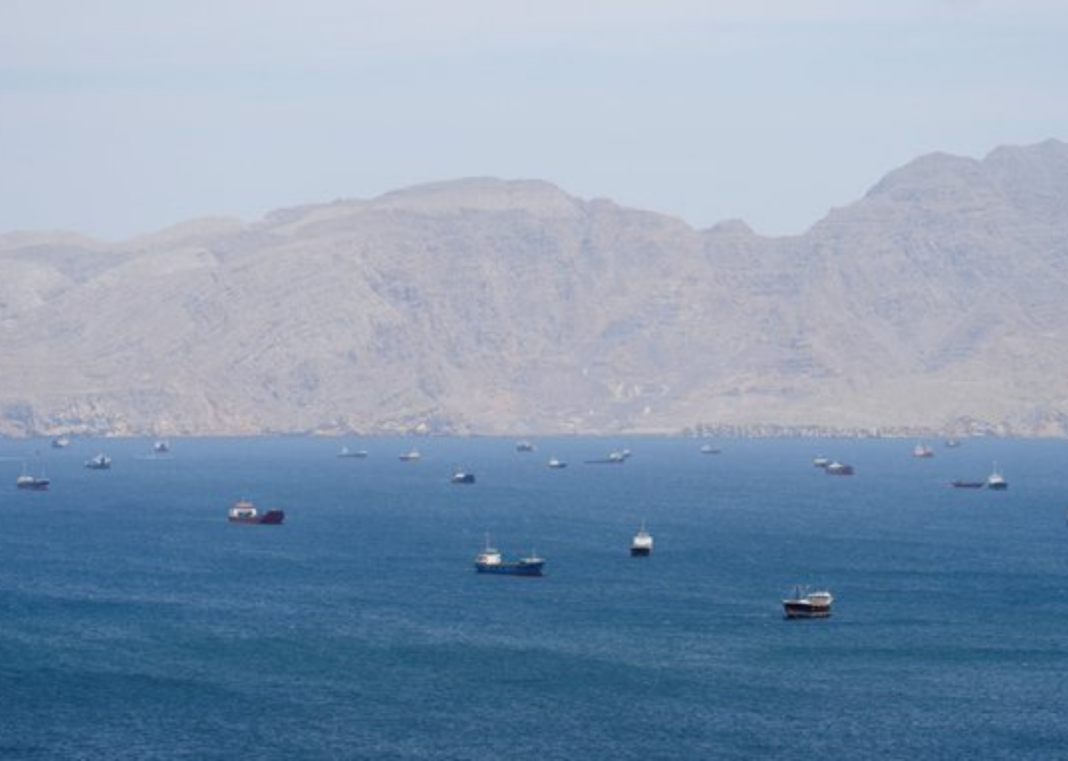
- One of the things that the United Arab Emirates is concerned about is the Strait of Hormuz which’s a very important route, for sending oil.
The UAE with its ports and trade hub is especially concerned. Officials say they need an clear response to keep shipping safe and prevent more escalation.
However other Gulf countries like Oman and Qatar are taking a careful approach. They prioritize calm and talking to Iran. They think keeping communication open can prevent conflict and instability.
These different approaches are not causing a split in the Gulf Cooperation Council.. They do show that countries have different views on the threat from Iran and how to handle it.
Analysts say that the differences come from things like where a country’s located how well its economy is doing and its politics. Countries that are close to places where there is a lot of trouble or that have a lot to lose if ships cannot travel might feel like they need to do something away.
The United Arab Emirates position is based on its way of dealing with countries. The United Arab Emirates wants to be strong but also wants to be practical. The United Arab Emirates has made peace with some countries. The United Arab Emirates has tried to work with countries more but the United Arab Emirates also takes strong positions, on important security issues.
Emirati officials know they need to keep the Gulf bloc united. So they carefully choose their words to avoid confrontation with neighbors.
The implications of these dynamics go beyond the Gulf. Global powers and energy markets are watching how regional countries respond. A united stance could help diplomacy and stability while visible divisions might complicate efforts and reduce effectiveness.
For markets the stakes are high. Uncertainty in the Gulf around the Strait of Hormuz has already caused oil price volatility and supply concerns. Any sign of disunity among Gulf producers could further unsettle markets. Amplify economic risks.
Looking ahead Gulf countries need to reconcile their approaches while addressing the shared threat of instability. This might involve diplomacy, security cooperation and confidence-building measures.
The United Arab Emirates concerns may change how Gulf countries respond to things. The current situation is really complicated. This is because countries make friends with each other when they have things in common and when they think it is not too risky. The United Arab Emirates concerns are going to be important to watch. Gulf countries will probably do what they think is best, for them. This is how it usually works with the United Arab Emirates and other Gulf countries. They do things based on what they want and how risk they are willing to take.
As things develop, finding a balance between being firm and being diplomatic will be important for Gulf countries making decisions. The UAEs push for a response is a reminder that among closely aligned groups agreeing on a course of action is not always straightforward—and managing differences will be crucial, to getting through this tough period.