

April 2026 — International Desk
Lately the India-Middle East-Europe Economic Corridor or IMEC has been getting a lot of attention in politics.
People are now talking about whether the original trade route from India to Europe through the UAE and Israel’s changing. Saudi Arabia and Qatar are now becoming places for trade to pass through. This change is making people, including those who make policies and experts think about how power works in that area. They are also wondering what the future of trade connections will be like with the IMEC being a big part of it.
The India-Middle East-Europe Economic Corridor is definitely a topic of interest. It seems that the IMEC is going to play a role, in how trade happens in the future.
The IMEC project got a lot of attention during the 2023 G20 Summit in New Delhi. The IMEC project was a deal to people because it sounded like something that would really change things. The IMEC project was a plan to connect India and Europe in a big way. The IMEC project would use a lot of things like ports and railways and shipping routes and energy pipelines and digital networks to do this. If you look at the map the IMEC route starts in India. Then it goes through the UAE and Saudi Arabia and Jordan and Israel and then it finally gets to Europe through ports, in the Mediterranean.
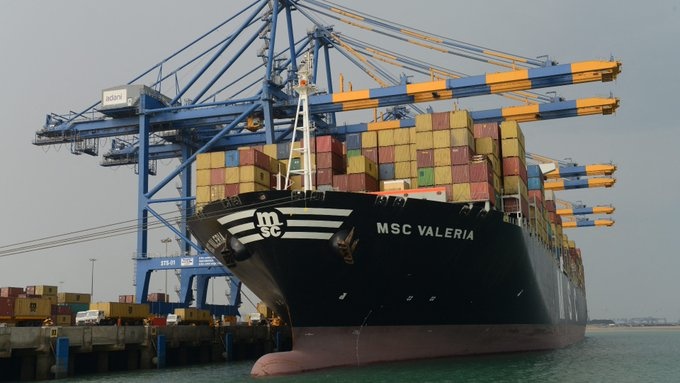
The pitch: cut travel time and costs between Asia and Europe by moving traffic away from heavily used routes like the Suez Canal. Goods set off from India and landed in Gulf ports—especially UAE and Saudi Arabia—then boarded trains across the peninsula, passed through Jordan and Israel, and finally made it to Europe by sea. But this was more than a simple trade shortcut. The plan also promised new energy pipelines and digital links, hoping to overhaul supply chains and bring regions closer together.
That was the vision. Now? With new diplomatic and regional developments bubbling up, the IMEC’s actual rollout seems more complicated. Some experts are now saying future routes might leave the UAE and Israel less central than originally planned.
Saudi Arabia and Qatar are suddenly getting a lot more attention in all this. Saudi Arabia, driven by its Vision 2030 plan, has poured billions into becoming—and advertising itself as—a logistics and industrial powerhouse. New railways, ports, and factories are popping up everywhere. Qatar, on its part, is pushing hard for a bigger role in both energy and trade, while beefing up its connections throughout the Gulf.
All these moves are making folks wonder: Is the corridor about to work around the old hubs and favor Riyadh and Doha instead, especially if politics or logistics make the UAE and Israel less appealing?
Now, talk about downgraded roles for the UAE and Israel is mostly speculation. The UAE was always a crucial player—its ports like Jebel Ali and Fujairah are top-tier and plugged into global shipping routes. Israel, too, was supposed to be a pivotal bridge, with its Mediterranean ports connecting Gulf rail lines to European ships.
But instability in the region—there’s always something—has thrown a wrench into infrastructure planning, especially when it involves Israel and the Gulf. Some experts think a new overland or maritime path could end up being the smarter way forward.
Step back a bit, and you’ll see IMEC as part of a bigger contest. It’s being touted as an alternative to China’s Belt and Road Initiative (BRI), letting India, the US, and Europe carve out their own space and supply chain routes across Eurasia. Meanwhile, Saudi Arabia and the UAE are playing both sides, cozying up to China and the West. These Gulf states are becoming masters of strategic flexibility, making it tough to pin down their next move.
A shift toward Saudi and Qatari routes fits with this trend—everyone wants the economic gains while staying politically agile.
If IMEC gets up and running the way people first imagined, India–Europe shipping times could drop by as much as 40 percent. That’s a huge boost for logistics and a boon to supply chains. It could also mean stronger ties between India and European export markets, more cross-regional energy deals, and lots of new infrastructure investment.
But obstacles remain. The region’s politics are as tangled as ever. Security threats along the corridor haven’t gone anywhere. Everybody’s got competing infrastructure projects, and no one’s totally sure how the funding or coordination will work.
All these headaches fuel the ongoing debate: Will IMEC actually follow its original path, or will it veer toward new Gulf hubs?
Even with so much chatter and speculation, there’s been no official word about scrapping the UAE or Israel from the plans, nor a confirmed redesign. The reality is that these corridor conversations are mostly strategy sessions, “what ifs,” and guesses—not backed by government announcements.
IMEC is still a work in progress, with its fate wrapped up in long-term diplomatic deals, investment promises, and regional calm (when it exists).
The statement that IMEC is being rebuilt through Riyadh and Doha really feels like it is capturing the mood of the region now rather than being a fact. The original route of IMEC, which connects India, the Gulf and Europe is still the part of IMEC.
However the alliances between countries in the region are. New things are happening, which is changing how countries are positioning themselves for when IMEC might become a reality if it ever does.
IMEC is more of an idea for the future, than something that is actually working now. What happens to IMEC will depend on the deals that are made in private and the events that have not happened yet.