
The UK Foreign Office is closing its unit that watched for international law breaks in Gaza and Lebanon. This move has made many people uneasy those who care about human rights and being held accountable in conflict areas. The government says this is because of budget cuts and a major internal change. Now there is real concern, about whether the UK will continue to monitor wrongdoing in war zones.
This unit—officially called the International Humanitarian Law (IHL) monitoring cell—wasn’t just ticking boxes. It gathered piles of evidence about military operations, civilian harm, wrecked infrastructure—basically, all the messy parts of war where the rules matter most. Over time, it became a go-to source for shaping UK policy, analyzing legal risks, and figuring out how to respond diplomatically.
One thing the unit did really well? Building a massive database filled with reports from Gaza and Lebanon. There were thousands of entries tracking airstrikes, ground assaults, and other violent incidents. This wasn’t just paperwork—these records influenced decisions about arms exports, helped the UK set its stance internationally, and kept legal obligations front and center.
The UK Foreign Office is closing its unit that watched for international law breaks in Gaza and Lebanon. This move has made many people uneasy those who care about human rights and being held accountable in conflict areas. The government says this is because of budget cuts and a major internal change.
Now there is real concern, about whether the UK will continue to monitor wrongdoing in war zones.
The people backing the unit argue that monitoring war crimes is essential if the UK wants to be taken seriously on the global stage. The country’s always said it cares about a rules-based world order, and having a team like this proved it. It meant better decisions—especially where arms licensing or diplomacy could tip the scales toward justice or disaster.
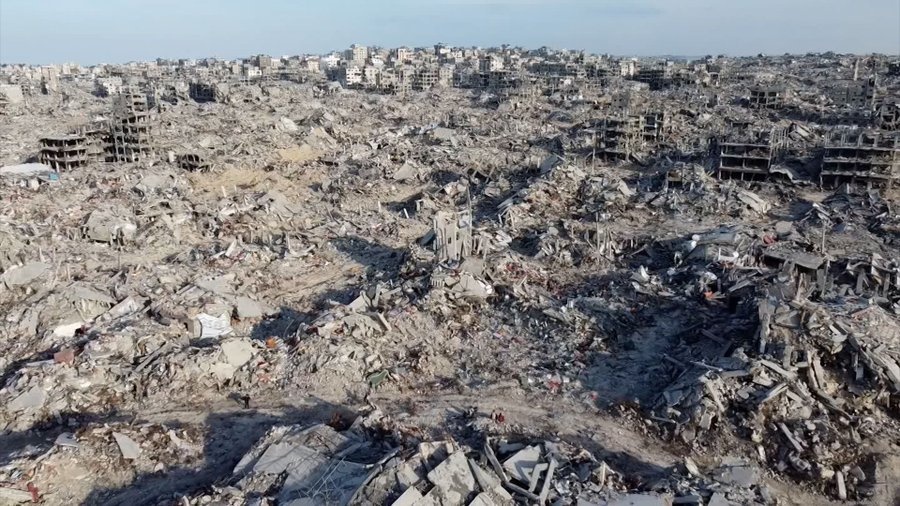
Let’s be real—the conflicts in Gaza and Lebanon are intense, with lots of moving parts, major humanitarian crises, and endless headlines about civilian casualties and destroyed buildings. Independent and government-led monitoring is critical, and the now-defunct unit was a key part of the UK’s internal system.
Plenty of legal experts, activists, and politicians aren’t happy about the closure. They think ditching the unit could make things less transparent and blunt the government’s ability to check stories or claims from the ground. Without a team focused on piecing together all these reports, there’s a risk things will get scattered or watered down, and policy might suffer.
Still, government officials argue they aren’t just tossing all monitoring out the window. They say other departments will pick up the slack, maybe wrap this work into broader frameworks. Whether that’ll actually deliver the same depth or focus is an open question.
And then there’s the arms export angle. The UK legally can’t let its weapons end up fueling war crimes. That database and analysis from the monitoring unit played a big role when officials decided whether to green-light sales. Critics worry the process will lose sharpness and become more political without this evidence.
People are also asking what’s going to happen to all that collected data—years’ worth of records. Will it get lost in some filing cabinet or will it stay accessible and useful? Nobody seems to have a clear answer right now.
This whole thing just shows the tough choices governments face when money gets tight. Units like the IHL monitoring cell need resources and long-term vision, but when budgets shrink, these programs are often the first to go—even if their impact goes far beyond what their funding suggests.
Globally, it might ding the UK’s reputation. Allies and partners look to Britain for leadership on legal norms and accountability. If the UK appears to be stepping back, even slightly, it could send the wrong signal—even if other methods of oversight are still in place.
Of course, there are plenty of other actors out there keeping watch—NGOs, international bodies, independent reporters. But government-led monitoring carries unique weight when it comes to actually shaping policy and diplomatic moves.
To sum up, closing the Foreign Office’s unit that tracked alleged breaches of international law in Gaza and Lebanon is a big deal. The official reason? Money and restructuring. But there’s a real debate now about transparency and accountability and whether new setups can really fill the gap. This shake-up raises tough questions about the UK’s commitment to international law—especially in times of conflict—and whether governments can afford to drop oversight when it matters most.