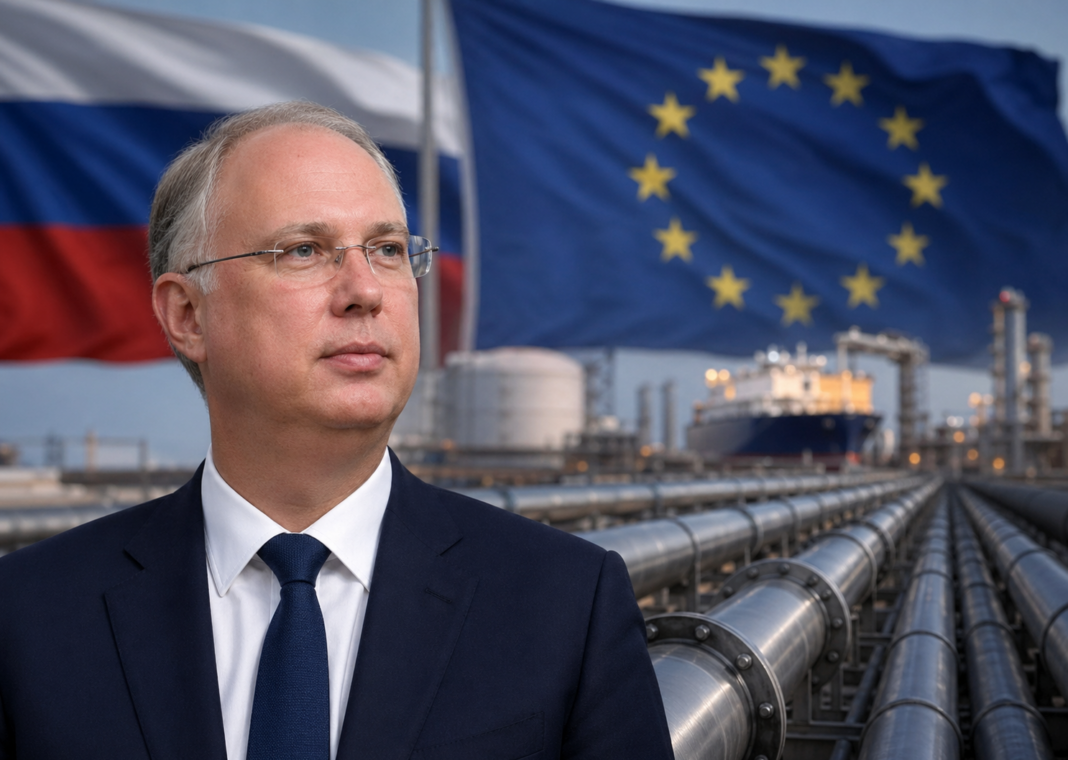

There are tensions in the world right now. A top Russian official, Kirill Dmitriev says that Europe needs to get energy from different places. This will help keep Europe stable for a time.
Dmitriev says that leaders who can make sure their countries have energy will help shape Europes future. He thinks Europe will have a time getting energy in the future. There will be competition for whats left.
Europe has been trying to get energy from Russia. This is because of the Russia-Ukraine conflict*. Many European countries have stopped buying much oil and gas from Russia. They are now trying to get energy from places. They are buying liquefied gas and trying to use more renewable energy.
It’s not easy. Energy prices went up a lot after the conflict. This hurt peoples budgets and the economy. Governments had to help people pay their bills. They also had to make sure there was energy.
Dmitriev thinks that Europe should work with different energy suppliers. This way they won’t rely on one or two places. He thinks this will help Europes economy and security.
Europe wants to get energy from different places. They want to use energy like wind and solar power. They also want to buy liquefied gas from other countries.
It’s hard to build new energy systems. It costs a lot of money. Some people think that Europe should be careful and not make changes too fast. Others think that Europe needs to change to be safe and to help the environment.
The world is changing. More people need energy. This means that countries are competing for energy. Some people think that Europe is entering a time of scarcity. This means that it will be harder to get energy.
Russia is also changing. They are selling energy to parts of the world like Asia. This shows that the world is connected. What happens in one place can affect places.
European leaders say that getting energy is a matter of security and values. They want to be less dependent on energy. They also want to help the environment.
The debate over energy is very political in Europe. Energy costs and security are issues in elections. Governments need to make sure people have energy. They also need to make sure they have energy for the future.
Dmitriev says that leaders who can solve the energy problem will be successful. Energy policy is not a technical issue. It’s a part of being a good leader.
Experts say that there is no solution to Europes energy problems. They need to find a balance. They need to work with different countries and use many different energy sources.
In conclusion Kirill Dmitrievs comments highlight the importance of energy security. Europe needs to find a way to get energy from different places. This will help them be stable and secure, in the future.
The recent comments by Kirill Dmitriev show that energy security is a deal in global politics. It is not about money but also about power, stability and what countries want to achieve in the long run. Europe is still feeling the effects of the Russia-Ukraine conflict. It has become clear that they need to build a strong and varied energy system. They need to move from relying on Russian energy, which has made them rethink how they get energy build infrastructure and be sustainable. This is one of the changes in Europes recent history.
Dmitrievs focus on diversification is part of a discussion about how countries can get the energy they need in a world that is uncertain and competitive. His view is good for Russia. It also makes sense because being too dependent on one supplier can make a country vulnerable not just financially but also in terms of national security. So European countries are trying to get energy from places work together and invest in renewable energy. They want to be stable and have a sustainable energy future.
However this change is not easy. To have energy partners countries need to spend a lot of money plan for the long term and work together across many areas and countries. Building things like ports for liquefied gas pipelines that cross borders and renewable energy grids takes years and needs politicians to agree. At the time governments need to balance what they need to do now like keeping energy prices low and making sure there are no shortages, with what they want to achieve in the long run like reducing carbon emissions and being climate neutral. This is a thing to do which is why energy policy is one of the toughest areas of governance.
The idea of an “era of scarcity” shows how important this is. As the world needs energy, competition for resources is getting fiercer especially among big economic powers. This puts pressure on policymakers to get reliable energy supplies while keeping prices low for people and businesses. In this situation being able to form partnerships and adapt to changing markets is key to a countrys success.
In politics energy security is an issue that affects elections, public opinion and international alliances. Leaders are judged on how they handle energy crises keep prices stable and ensure energy is always available. Those who create varied energy systems will likely gain the publics trust and be stronger politically while those who fail may face criticism and instability. This shows that energy policy is not a technical thing but a key part of leadership and governance.
Also the changes in Europes energy use affect not Europe but the whole world. Changes in what Europe needs have changed energy markets affecting both producers and consumers everywhere. Countries that used to sell a lot of energy to Europe have had to find buyers while new suppliers have found new chances to grow. This shows how connected the worlds energy policy is and how decisions in one region can have reaching effects.
Even though people have views most agree that working together is necessary. While competition for resources is inevitable international cooperation can help reduce risks stabilize markets and promote innovation. Investing in energy improving technology and working on shared infrastructure projects can lead to a more secure and sustainable energy future. It is also important for countries to keep talking to each other to prevent conflicts and make sure energy is used for development, not division.
In the end the discussion started by Dmitrievs comments shows a change in how energy is seen and managed in the modern world. It is no longer enough to use models or short-term solutions. Countries must have plans that consider economic, environmental and geopolitical factors. For Europe this means continuing to diversify their energy mix being more united and investing in innovation all while dealing with the realities of global politics.
As the world moves forward energy security will become more important. The choices made now will affect not economic outcomes, but also the balance of power, in the world. In this context being able to adapt, work together and plan strategically will determine which countries succeed in a world that’s increasingly uncertain and competitive.