
Mainland Chinese Savers Flock to Hong Kong as Beijing Tightens Cross-Border Capital Controls
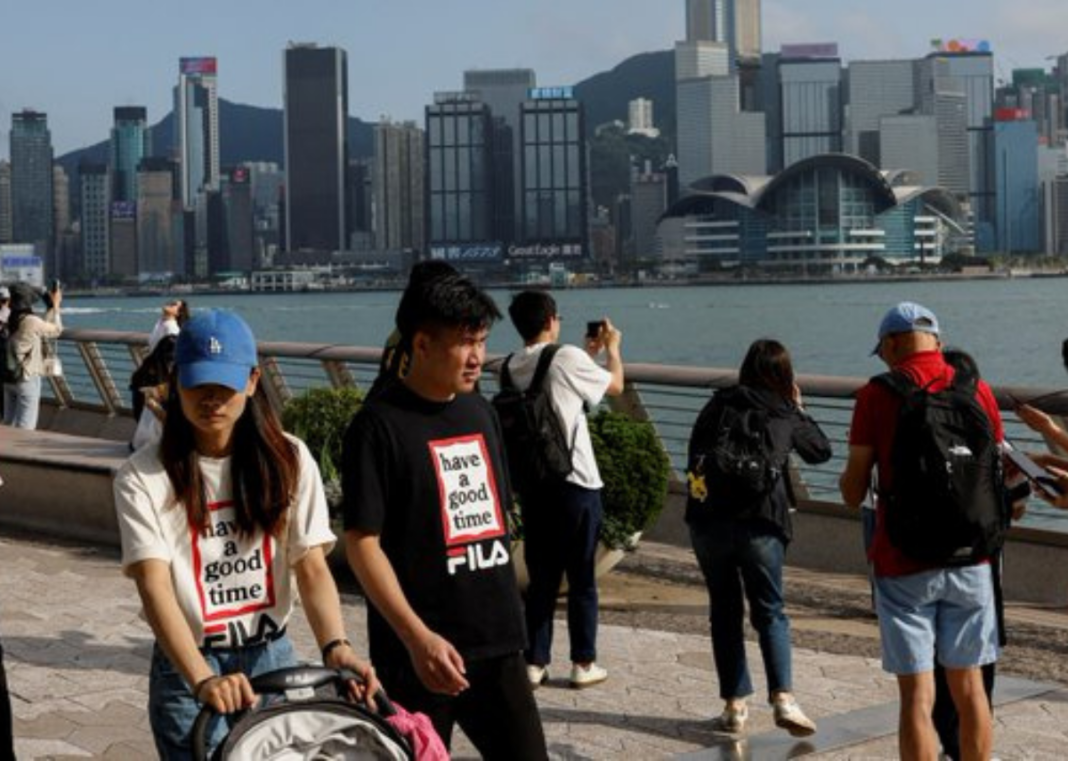
Mainland Chinese savers are travelling to Hong Kong in growing numbers to explore ways to preserve offshore investments following Beijing’s unexpected crackdown last month on unauthorised cross-border securities trading, according to Reuters reporting on Sunday. The rush to the financial hub comes as Hong Kong’s own regulators and banks have simultaneously tightened the rules for opening and maintaining investment accounts funded with mainland Chinese money — a double squeeze that is reshaping the cross-border capital flows that have underpinned Hong Kong’s retail finance sector for years.
Hong Kong regulators have introduced new requirements stating that customers wishing to open investment accounts must confirm their funds are not sourced from mainland China. Major lenders including HSBC, Hang Seng Bank, and Bank of China Hong Kong began implementing a rigorous new cross-border disclosure protocol for mainland clients on May 26, the day a key regulatory deadline took effect. Washington TimesCNN
The crackdown’s proximate trigger was a series of enforcement actions by China’s securities regulator. The China Securities Regulatory Commission penalised three online brokerages for operating without proper licences and illegally conducting business domestically, imposing total fines exceeding $330 million. The CSRC’s message was explicit: facilitating unauthorised offshore investment by mainland residents constitutes a serious violation of law, and the penalties will be proportionate. Washington Times
Hong Kong’s regulatory response moved on two tracks simultaneously. The Hong Kong Monetary Authority issued a regulatory circular requiring Hong Kong-registered banks to implement additional control measures when opening investment accounts for clients from the Chinese mainland, extending compliance requirements already imposed on licensed brokerages. The Securities and Futures Commission had previously found issues such as document forgery and weak cross-border compliance controls, and required Hong Kong brokerages to audit their client onboarding procedures. The HKMA then issued letters to banks, instructing them to adopt measures similar to those of the SFC regarding mainland investors. CNNWashington Times
The retroactive dimension of the audit requirement is significant. The HKMA mandated a retroactive audit of mainland investor accounts opened since January 2023 to identify forged documents. Investment accounts with zero balances and 12 months of inactivity are required to be closed by May 2026. Mainland investors must now sign a written declaration that their funds originate from legal sources outside mainland China. pressreader
If an investor cannot explicitly prove their money legally left the mainland, they can no longer use it to buy Hong Kong stocks, US equities, or other wealth management products. That restriction directly blocks the mechanism that many mainland savers have used for years to gain access to international markets otherwise closed to them under China’s annual $50,000 personal foreign exchange quota. CNN
Some Chinese banks operating in Hong Kong have suspended opening of new savings accounts for mainland clients, according to Bloomberg, which cited informed sources. The Hong Kong Association of Banks said in response that member banks would comply with the latest regulatory guidance and described the overall impact on account-opening procedures as not significant — a characterisation at odds with the scale of the operational changes being required. Washington Times
The tightening has not, however, deterred mainland savers from making the trip. Some savers from mainland China are travelling to Hong Kong and scrambling to explore options to retain their investments in the financial hub, Reuters reported, reflecting the scale of capital that has flowed into Hong Kong accounts and the anxiety among depositors about their continued access to those assets. CNN
Regional and Global Impact
Hong Kong has long served as a channel for circumventing China’s strict capital controls. Due to mainland China’s foreign exchange rules, which limit residents to transferring only $50,000 overseas per year, large volumes of mainland Chinese funds have flowed into Hong Kong, becoming an important source of business for local banks. The scale of that flow means the current regulatory tightening is not a marginal compliance adjustment — it is a structural intervention in one of the most significant cross-border capital channels between China and the rest of the world. CNN
For Hong Kong’s financial sector, the immediate impact is a reduction in a lucrative client base. Retail brokerages and private banks that have built distribution models around mainland Chinese inflows face both reduced new account opening and a retroactive audit burden on existing books. The longer-term implication is more profound: if Hong Kong’s function as a de facto offshore access point for mainland Chinese savings is materially diminished, the territory’s value proposition as a financial centre — distinct from Shanghai or Shenzhen — is partially eroded.
For Beijing, the crackdown reflects a deliberate policy choice to reassert capital account discipline at a moment when the renminbi is under depreciation pressure from the Iran war’s effect on global trade and commodity prices. Allowing unconstrained outflows through Hong Kong would amplify that pressure.
Background
China has maintained strict capital controls since the 1990s, limiting individuals to $50,000 in annual overseas transfers and requiring regulatory approval for large corporate capital movements. Hong Kong’s separate currency, regulatory framework, and legal system have made it the primary legitimate — and informal — channel through which mainland Chinese capital accesses international markets. The CSRC’s $330 million in fines against online brokerages, combined with the HKMA’s new account-opening requirements, represent the most coordinated cross-border enforcement action against unauthorised offshore trading since Beijing’s 2015-16 capital outflow episode, when the renminbi depreciated sharply and authorities tightened controls to slow the bleed. The HKMA circular’s three-month compliance window for retroactive account reviews runs until approximately late August 2026, meaning the full scope of account closures and fund repatriations will not be visible in data until the third quarter. CNN
What Happens Next
Hong Kong-registered banks are required to complete retroactive document reviews of mainland investor accounts opened since January 2023 within three months of the HKMA circular’s issuance. Dormant accounts are required to be closed on the same timeline. The CSRC has not publicly indicated whether further enforcement actions against online brokerages are planned, but the scale of the May fines suggests a sustained rather than one-off campaign. Mainland savers currently travelling to Hong Kong to review their investment positions will face the new source-of-funds declaration requirements when they attempt to maintain or expand those positions. No Hong Kong or Beijing official has publicly stated whether the new rules will be made permanent or reviewed once the compliance window closes.