
India Waives Excise Duty on High-Ethanol Petrol Blends to Reduce Crude Oil Dependency
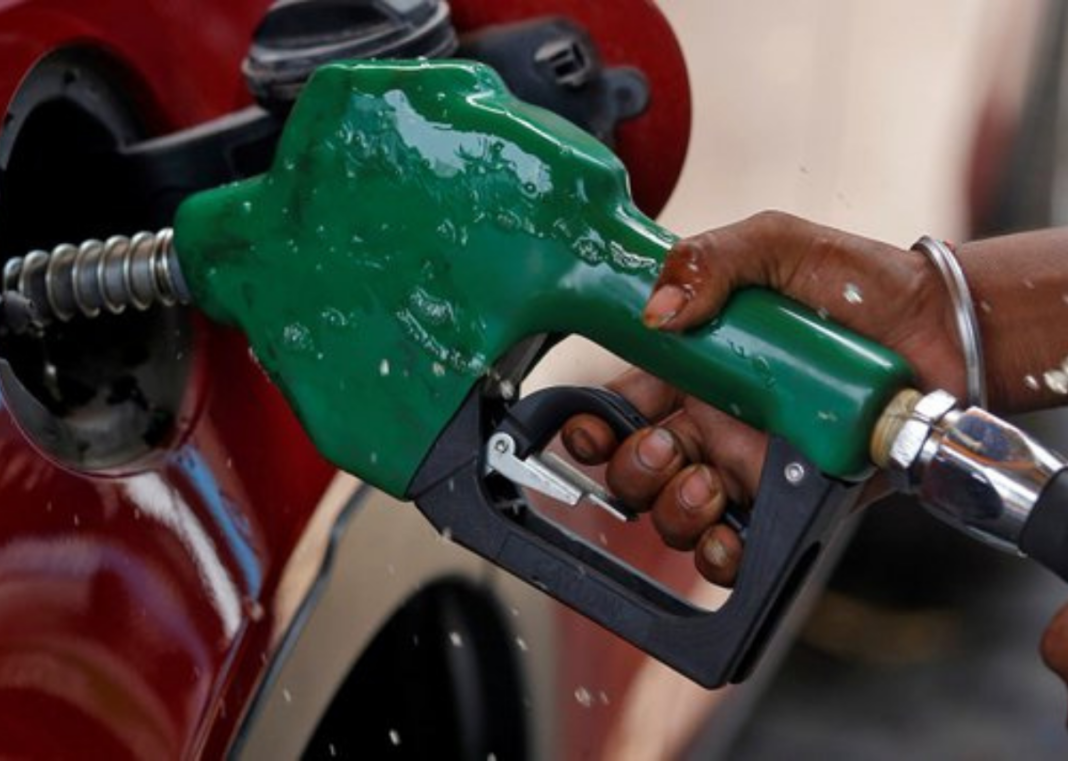
India, the world’s third-largest oil importer and consumer, has abolished excise duty on petrol blended with higher levels of ethanol, according to a government notification issued on Thursday, June 11. Petrol containing 22% to 30% ethanol will now be exempt from the levy, covering the fuel blends known as E22, E25, E27, and E30. Fox News
The notification was issued by the Ministry of Finance’s Department of Revenue, amending the primary excise notification dated June 2017 to completely waive excise duty on four specific high-blend fuel categories. The move extends India’s tax support for ethanol-blended fuel beyond the existing E20 standard that is currently in nationwide use. pressreader
What the New Blends Contain
Under the notification, E22 will contain 78% motor spirit and 22% ethanol; E25 will consist of 75% petrol and 25% ethanol; E27 will have 73% petrol and 27% ethanol; and E30 will contain 70% petrol blended with 30% ethanol. All four fuels must conform to Bureau of Indian Standards specifications and must use ethanol and petrol on which applicable taxes have already been paid. katadata
The Bureau of Indian Standards notified specifications for E22, E25, E27, and E30 in May 2026, which means the technical standards needed to make the tax waiver workable were only established weeks before the duty exemption was announced. globalsecurity
Immediate Pump Price Impact Is Limited
The announcement does not immediately translate into lower retail petrol prices for consumers. The exemption primarily seeks to incentivise the production and distribution of higher ethanol blends, with any impact on pump prices likely to depend on broader pricing decisions by oil marketing companies. katadata
Regular petrol prices at retail outlets did not change in major cities on June 11, and the tax relief did not amount to a broad pump-price cut for motorists. The move is aimed at the supply chain, where higher ethanol blends can now compete on a more favourable tax footing. globalsecurity
E85 Launch and Flex-Fuel Expansion
The excise waiver follows India’s launch of E85 fuel — a high-ethanol blend for flex-fuel vehicles — priced at a discount of ₹20 per litre compared to regular petrol earlier this month. E85 contains 80% to 85% ethanol and 14% to 19% petrol, and can only be used in vehicles capable of running on ethanol blends from E20 to E100. Fox News
Union Petroleum and Natural Gas Minister Hardeep Singh Puri said the government plans to expand E85 availability to 500 outlets by December 2026 and to approximately 5,000 outlets by December 2027. Wikipedia
Expanding E85 infrastructure is expected to raise India’s overall ethanol blending level to nearly 26% by 2030-31, according to Puri. Fox News
Farmer Income and Foreign Exchange Benefits
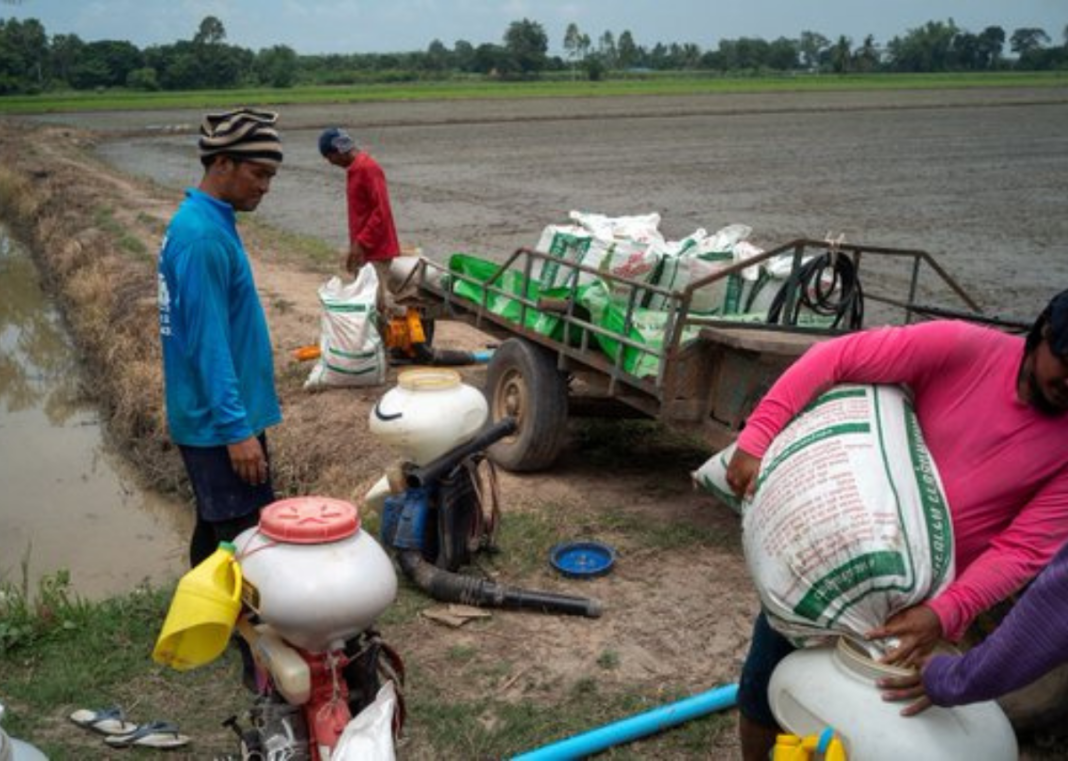
The duty waiver carries direct economic implications for India’s agricultural sector. If half of all new two-wheelers and passenger vehicles sold in India switch to flex-fuel technology, annual ethanol demand could rise by more than 312 crore litres, generating approximately ₹12,403 crore in additional income for farmers, saving about ₹15,151 crore in foreign exchange annually, and cutting carbon dioxide emissions by 66.4 lakh metric tonnes, according to Puri. investing
Puri said India has balanced energy security, affordability, and sustainability while protecting consumers from global energy market volatility. Domestic fuel prices have seen some of the lowest increases globally since February 2026. investing
Regional and Global Context
The policy move arrives at a moment of acute energy pressure across Asia. In early 2026, as West Asia tensions spiked following the outbreak of the Iran war, India’s existing 20% ethanol blending provided a domestic buffer that helped keep fuel prices lower than 2021 levels. Achieving nearly 20% blending in the 2025 ethanol supply year saved the nation an estimated $19.3 billion in foreign exchange. deccanherald
Among all renewable fuel options, ethanol stands out as the most viable and immediately scalable substitute for petrol, according to industry analysis. Every litre of ethanol blended into petrol represents foreign exchange saved and income transferred directly into India’s rural economy, rather than paid to oil-exporting nations. Business Today
The Iran war and the partial closure of the Strait of Hormuz have directly elevated the strategic case for energy diversification across all major Asian importers. India’s move to extend excise exemptions to blends as high as E30 signals that New Delhi intends to use the current crisis to accelerate the structural reduction in its crude oil import bill.
Background
India increased ethanol blending in petrol from 1.53% in 2014 to 20% in 2025, achieving its E20 target five years ahead of schedule. The programme has saved more than ₹1.84 lakh crore in foreign exchange and reduced crude oil imports by nearly 302 lakh metric tonnes. By 2025, ethanol procurement from farmers had generated approximately ₹1.18 lakh crore for agricultural producers and ₹1.96 lakh crore for distilleries. Ethanol is produced from surplus sugarcane, maize, damaged food grains, and agricultural waste. Excise duty was previously exempted on E20 fuel; the new notification extends that zero-duty status to the next four blending levels. India has also begun rolling out E85-compatible vehicle prototypes, indicating that the policy is moving toward a broader market for flex-fuel engines. Fox News + 2
What Happens Next
The government plans to expand E85 availability from select outlets to 500 pumps by December 2026 and approximately 5,000 pumps by December 2027. Oil marketing companies must now decide whether and how quickly to pass the excise benefit through to retail prices for higher-blend fuels. The next benchmark for the programme is the government’s stated ambition of reaching 26% average blending by 2030-31 — a target that the combined E85 rollout and E22–E30 duty exemption are designed to support. Whether vehicle manufacturers accelerate production of flex-fuel models certified for blends above E20 will determine how quickly the new tax incentive translates into actual demand at the pump. Fox News