
Canadian Dollar Extends Weekly Decline as Oil Falls on Iran Peace Deal Progress, Bank of Canada Stays on Hold
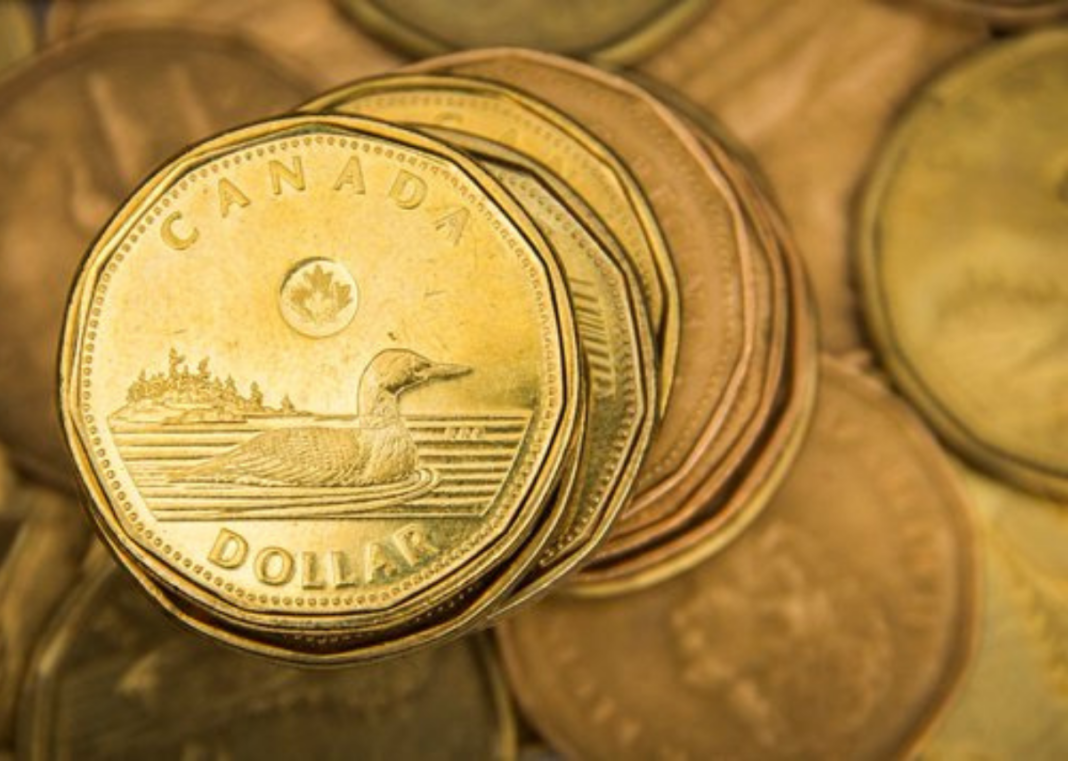
The Canadian dollar fell to its weakest level since November on Thursday, June 11, touching 1.4023 per US dollar as oil prices dropped on signs of progress toward a permanent settlement of the Iran war — a shift that stripped the commodity-linked currency of an energy premium it had carried for months. On Friday, June 12, the loonie edged to 1.3975 per US dollar, or 71.56 US cents, down 0.1% on the day and 0.3% lower over the week, as investors weighed the possibility of a sustained fall in crude prices against a Bank of Canada that held its key interest rate unchanged for a fifth consecutive time on June 10 and signalled it had no clear direction for its next move.
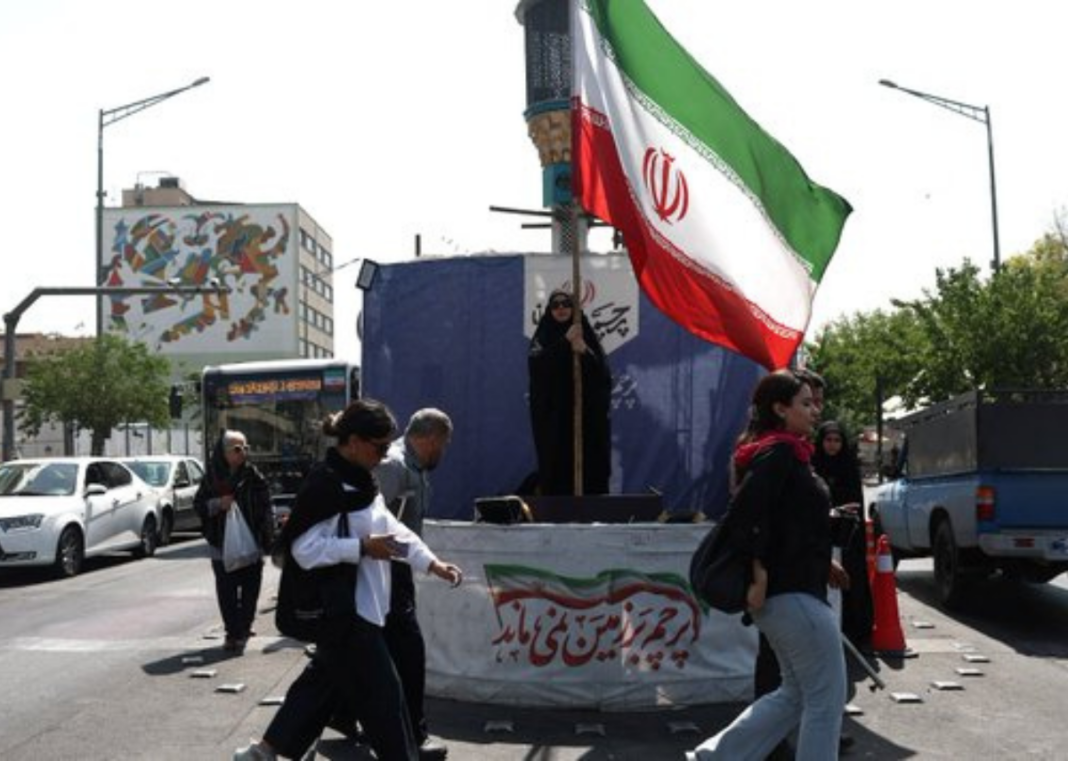
Brent crude fell toward $91 per barrel on Friday, extending a decline driven by reports that US and Iranian negotiators had reached a tentative agreement on a memorandum of understanding that would extend the existing ceasefire by 60 days, reopen the Strait of Hormuz to commercial shipping, and establish a framework for nuclear talks.
The Peace Deal: Close But Not Confirmed
President Donald Trump said on Thursday that the United States and Iran were nearing an agreement and were “very close” on terms, though he said he was not “100 percent” certain a deal had been reached. Vice President JD Vance told reporters the two sides were “very close, but not there yet.” Iranian Foreign Minister Abbas Araghchi said on Friday the two sides had “never been closer” on terms.
Pakistani Prime Minister Shehbaz Sharif, who has acted as a mediator between Tehran and Washington throughout the conflict, posted on social media that a “final, agreed upon text of the peace deal has been reached” — a claim neither Washington nor Tehran officially confirmed. Trump accused Iran of leaking aspects of the deal, and Iranian negotiator Mohammed Bagher Ghalibaf said in an X post that Tehran was obtaining “concessions not through talks, but through missiles,” adding his country had “absolutely no trust in guarantees or words — only actions matter.”
The terms under discussion — as reported by US sources and not formally confirmed by either government — would extend the fragile April 8 ceasefire by 60 days, reopen the Strait of Hormuz, end a US blockade of Iranian ports, and launch talks on Iran’s nuclear programme. US Treasury Secretary Scott Bessent told reporters there would be no sanctions relief until Iranians agreed to hand over their highly enriched uranium stockpile. Iran has consistently rejected demands to halt uranium enrichment, insisting its programme is intended for peaceful purposes.
Priyanka Sachdeva, senior market analyst at Phillip Nova, said oil markets have remained stuck between diplomacy and disruption for more than two months, with investors’ moods shifting almost daily in response to headlines. “If a formal deal eventually materialises, oil prices could witness a free fall as geopolitical premiums rapidly evaporate from the market,” Sachdeva said. “However, any fresh signs of attacks on oil infrastructure or escalation in the Middle East could easily trigger another parabolic spike in crude prices.”
The Bank of Canada’s Dilemma
The loonie’s decline also reflects the Bank of Canada’s paralysis in the face of a contradictory economic picture. The Bank held its overnight rate at 2.25% for the fifth consecutive time on June 10 — a decision that was unanimous among forecasters in a Reuters survey before the meeting.
Governor Tiff Macklem described the monetary policy challenge with unusual candour. “Economic weakness combined with rising inflation is a dilemma for monetary policy,” he said at his press conference on June 10. “Raising interest rates to slow inflation could further weaken the economy. Easing interest rates to support growth risks pushing inflation well above target.”
The Bank’s official statement on June 10 said it would continue to “look through” the war’s near-term impact on headline inflation, but would “not let higher energy prices become persistent inflation.” Macklem warned the next policy move could go in either direction: a hike if energy-driven inflation from the Middle East conflict becomes entrenched across broader prices; a cut if US tariffs escalate and depress Canadian economic activity further.
Investors were pricing in 24 basis points of tightening from the Bank of Canada by the end of 2026, swap market data showed — down from 37 basis points before the June 10 decision, as the Bank’s statement was read as less hawkish than some had anticipated.
TD Bank economist Andrew Hencic said: “The war in the Middle East is the dominant factor here.”
Canada’s Exposure to Oil and the Strait
Canada is one of the world’s largest oil producers and exporters, giving the loonie an unusual dual sensitivity to crude price movements. When oil prices rise due to Middle East supply disruption, the loonie faces competing pressures: higher prices boost Canadian energy sector revenues and export values, but they also push up domestic inflation and weaken the global growth outlook that drives demand for Canadian exports beyond the energy sector.
The Iran war, which began in late February 2026 and effectively closed the Strait of Hormuz — the passage through which approximately 20% of the world’s oil flows — had initially been a net negative for the loonie. Although Canadian heavy crude received some demand boost as Asian refiners sought alternatives to Persian Gulf supply, the broader inflation and US tariff headwinds outweighed that benefit.
The OCBC strategist team said they expect a slow oil price unwind even if prices fall sustainably below $100 per barrel in the second half of 2026, adding there is “no strong case to be bearish USD,” citing resilient US growth and AI-driven inflation pressures that have pushed Federal Reserve communication in a more hawkish direction.
Canada’s inflation surged to 2.4% in March 2026, reflecting the initial energy shock. The Bank of Canada projected in April that inflation would stay elevated near 3% for the next several months before easing toward the 2% target in 2027. That projection assumed tariffs remained unchanged and Brent crude declined to $75 per barrel by mid-2027 — a path that the current Strait of Hormuz disruption has made considerably less certain.
Regional and Global Impact
A confirmed, durable Iran peace deal would likely trigger a sharp fall in global crude prices, draining the inflation premium that has run through global consumer prices since late February 2026. For Canada, that outcome would reduce the near-term inflation risk that is keeping the Bank of Canada from cutting rates, potentially opening the door to easing in 2027. It would also remove the energy sector revenue support that has partially offset weakness in other parts of the Canadian economy.
The US dollar index held near 99.035 on Friday, supported by the strong US May CPI reading of 4.2% — the highest in three years — which reinforced expectations that the Federal Reserve will tighten monetary policy as early as September. That interest rate differential — a Fed moving toward hiking while the Bank of Canada sits on hold — has been a consistent structural weight on the Canadian dollar throughout the second quarter of 2026.
Background
The Iran war began on February 28, 2026, following US and Israeli strikes that killed Supreme Leader Ali Khamenei. The effective closure of the Strait of Hormuz that followed sent Brent crude above $130 per barrel by mid-March before a two-week ceasefire announced on April 8 brought prices back below $100. The ceasefire has held with intermittent skirmishes since then. The Bank of Canada began the current rate-hold cycle after reducing its policy rate to 2.25% in a series of cuts that ended in early 2025, before the Iran war reversed the inflation trajectory. Canada’s economy faces a dual headwind from the Iran war energy shock and from US tariffs, which the Bank of Canada has acknowledged create opposing policy pressures that make the forward rate path unusually uncertain.
What Happens Next
The Bank of Canada’s next rate decision and accompanying Monetary Policy Report are scheduled for July 15, 2026. Whether the BoC hikes, holds, or cuts will depend primarily on whether a formal Iran peace deal is signed, whether the Strait of Hormuz reopens on a sustained basis, and whether May and June Canadian inflation data show war-related energy costs spreading into broader price categories. The next Federal Reserve decision on June 17 will establish the US-Canada rate differential that currency markets will trade against for the following four weeks. Any official confirmation or breakdown of the US-Iran memorandum of understanding — expected in the days immediately following June 12 — will be the single most consequential near-term driver of both oil prices and the loonie’s direction.