

RSF Drone Strikes on Power and Water Infrastructure Bring El-Obeid to the Brink as Sudan’s UN Rights Council Convenes
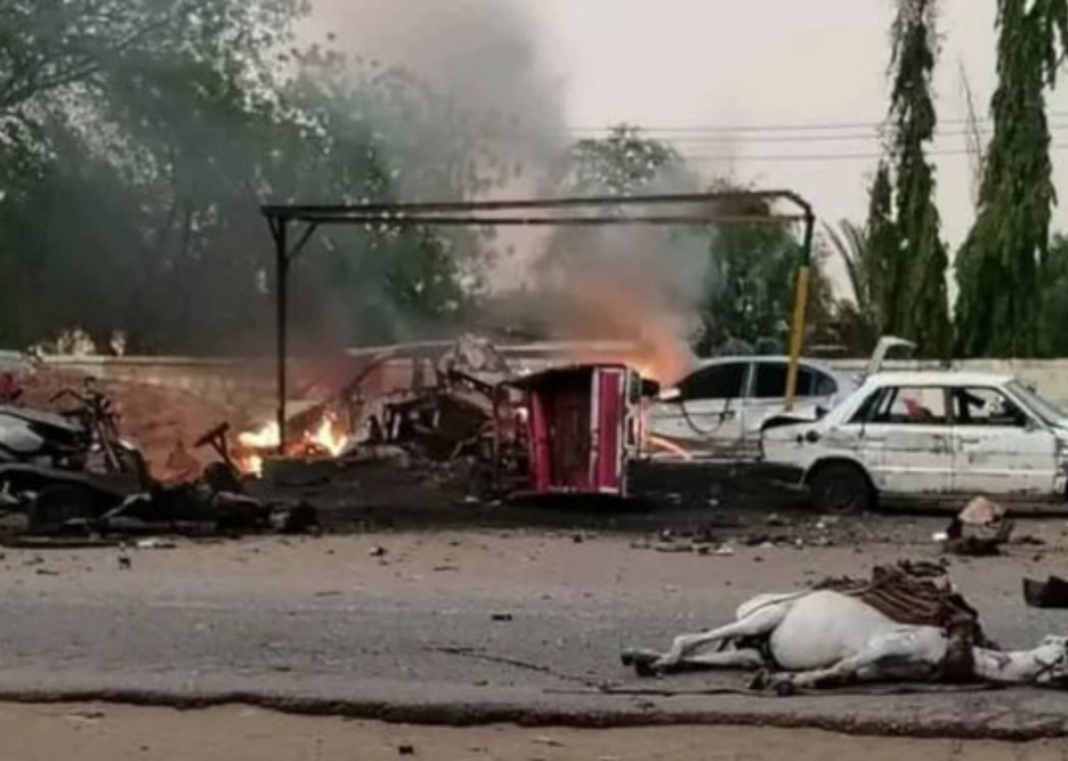
The Rapid Support Forces have subjected el-Obeid, the capital of Sudan’s North Kordofan state, to weeks of daily drone strikes targeting power stations, fuel depots, water infrastructure, and civilian roads, reducing a city of nearly 600,000 people to critical shortages of electricity, clean water, and food, as the United Nations Human Rights Council held an urgent debate on the situation in Sudan, Middle East Eye reported on Thursday, July 3.
“The suffering endured by the citizens of el-Obeid due to the war is beyond comprehension,” Abdullah, a lawyer in the city who asked to be identified only by his first name, told Middle East Eye. “Loss of life, hunger, and insecurity perfectly reflect the catastrophes caused by the conflict between the army and the RSF. These forces continue to bombard civilians, vital and strategic centres, service facilities, and the very foundations of life, aiming to displace citizens and force them from their lands and cities.”
Systematic Targeting of Civilian Infrastructure
The scale and pattern of RSF drone strikes on el-Obeid over the past three weeks reflects a deliberate strategy of infrastructure destruction, according to satellite imagery analysis, local testimony, and an independent research report. On June 18, RSF drones struck the al-Abyad power substation, the primary electricity hub for the city, causing significant damage and triggering citywide power outages. Hospital operations were disrupted, water pumping stations ceased functioning, and the city’s public water supply stopped.
Between May 25 and June 25, at least eight petrol stations in el-Obeid sustained targeted damage consistent with intentional bombardment of civilian infrastructure, according to Yale University’s Humanitarian Research Lab, which analysed satellite imagery of the city. The HRL report, published in late June, also documented damage to power stations and water facilities and found that 700 new internally displaced persons tents had appeared in el-Obeid’s main IDP camp over the same one-month period.
Abdullah said the RSF was conducting two to six drone strikes per day on the city through the middle of last week. “They targeted vital centres and the necessities of life in the city: the army command, combat vehicles, fuel tankers, drinking water and sewage trucks.” Civilian homes, he said, had also been struck, as had trucks on the national road linking el-Obeid to the rest of Sudan, leaving many vehicles burned on the highway.
A City Running Out of Fuel, Water, and Food
The combined effect of the drone campaign on el-Obeid’s fuel supply, transport links, and water infrastructure has created a cascading crisis for the city’s population. A large proportion of the city’s fuel pumps have been destroyed or shut down on orders from military intelligence following the drone attacks. Without fuel, water tankers that previously brought drinking water from outside the city can no longer operate, and public transportation has ground to a halt.
The price of a four-gallon can of fuel has risen to 800,000 Sudanese pounds, approximately $1,332 at current rates, a second source in the city told Middle East Eye. A barrel of water has quadrupled in price from 5,000 to 25,000 Sudanese pounds. A jerrycan of water now costs 3,000 pounds. “This water is brackish and unfit for drinking,” Abdullah said. Travel fares within and beyond the city have also increased sharply and are expected to rise further as the fuel crisis deepens.
The price increases have hit food, bread, and medicine as well as fuel and water, as the interruption of cargo truck movements on the national highway has reduced the flow of goods into the city. Children are walking long distances to school, and parents rush to collect them when bombing is heard nearby. “Workers reach their workplaces without electricity, drinking water, or even a source of income due to poverty, unemployment, and the scarcity of cash in the city,” Abdullah said.
The Strategic Stakes of El-Obeid
El-Obeid sits at the intersection of several roads connecting the Sudanese capital Khartoum to Kordofan and Darfur — the RSF’s stronghold in western Sudan — making it one of the most strategically significant cities outside Khartoum that the Sudanese Armed Forces still control. The RSF has been present in the surrounding countryside and in Barah, approximately 30 kilometres north of the city, since shortly after the war began in April 2023. The SAF’s 5th Infantry Division maintains its headquarters in el-Obeid and has established at least 14 checkpoints and a 51-kilometre network of defensive berms and trenches around the city, according to satellite imagery analysed by Yale’s Humanitarian Research Lab.
“Because of that, the RSF is bombing us by air because we don’t have air defences,” Abdullah said. “The city is not in general afraid of attack from the Rapid Support Forces. They are lying. They can’t attack the city because the army is here, and they are still strong.”
Amgad Fareid Eltayeb, advisor to Sudan’s army-backed Transitional Sovereignty Council, told Middle East Eye: “The RSF militia continues to target and kill civilians, while the government army continues to defend them. At present, government control of el-Obeid is the only barrier preventing a repeat of the massacres witnessed in el-Fasher as the RSF advanced on the city.” The RSF captured el-Fasher, the capital of North Darfur, in October 2025 following months of siege, with Amnesty International subsequently concluding the RSF committed crimes against humanity and ethnic cleansing in the city.
The UAE’s Role
The RSF’s drone campaign against el-Obeid is being conducted by a force the UAE has been widely documented as supplying with weapons and materiel, despite Abu Dhabi’s consistent public denials of any such support. “Everyone here knows that the UAE supports the RSF,” Abdullah said, reflecting the view of residents watching UAE-linked drone strikes on their homes and infrastructure.
International powers including the United Kingdom and the United States have issued warnings about the situation in North Kordofan but have not publicly named the UAE’s role. British MPs were told earlier this year that the UK government failed to act to prevent the el-Fasher massacre because it feared damaging relations with the UAE. A Middle East Eye investigation published separately documented how UAE support for the RSF has continued through Libyan interlocutors, including General Khalifa Haftar’s forces. The Emirati foreign ministry did not respond to a request for comment for the July 3 article.
Regional and Global Impact
El-Obeid’s predicament illustrates the broader pattern of Sudan’s war, in which the RSF — unable to take army-held cities by direct assault — has employed drone campaigns to destroy civilian infrastructure, drive up economic distress, erode public support for the SAF, and create the conditions for eventual capitulation or civilian-driven pressure for surrender. The tactic was applied against Khartoum, where the RSF captured much of the capital in the war’s first year, and has been used across multiple other SAF-held population centres.
For the international community, the situation presents the same dilemma it has faced repeatedly since Sudan’s war began: the RSF’s primary weapons supplier, the UAE, is simultaneously a major investor in Western economies, a mediator in other regional conflicts, and a partner in Gulf security architecture that Western governments are reluctant to antagonise. The gap between the scale of the humanitarian crisis — over 12 million displaced, widespread famine, documented massacres — and the international response has been described by Sudan researchers and humanitarian organisations as one of the most glaring failures of the global protection system in recent years.
Background
Sudan’s civil war between the Sudanese Armed Forces and the Rapid Support Forces began in April 2023, when a power struggle between SAF commander General Abdel Fattah al-Burhan and RSF commander General Mohamed Hamdan Dagalo, known as Hemeti, erupted into open conflict. The war has killed tens of thousands of people and displaced more than 12 million, producing one of the world’s largest humanitarian crises. The RSF, which grew out of the Janjaweed militias deployed during the Darfur genocide in the early 2000s, has been accused of committing genocide and crimes against humanity across Darfur. The UN Human Rights Council convened an urgent debate on Sudan’s situation in the same week as Middle East Eye’s el-Obeid reporting was published, reflecting growing international concern about the scale of atrocities and civilian suffering in the conflict.
What Happens Next
El-Obeid’s population of nearly 600,000 — including more than 105,000 internally displaced people who have sought refuge there after fleeing violence elsewhere — faces continued RSF drone strikes as long as the SAF holds the city and the RSF lacks the ground strength to take it by force. Humanitarian organisations operating in the city have been described by residents as the primary source of support for displaced people, with local and state government assessed as incapable of providing adequate security or services. The UN Human Rights Council’s urgent debate is expected to result in further calls for accountability and international pressure, though the track record of such calls translating into material changes to the RSF’s conduct or its UAE supply lines has been limited throughout the three years of the conflict.


