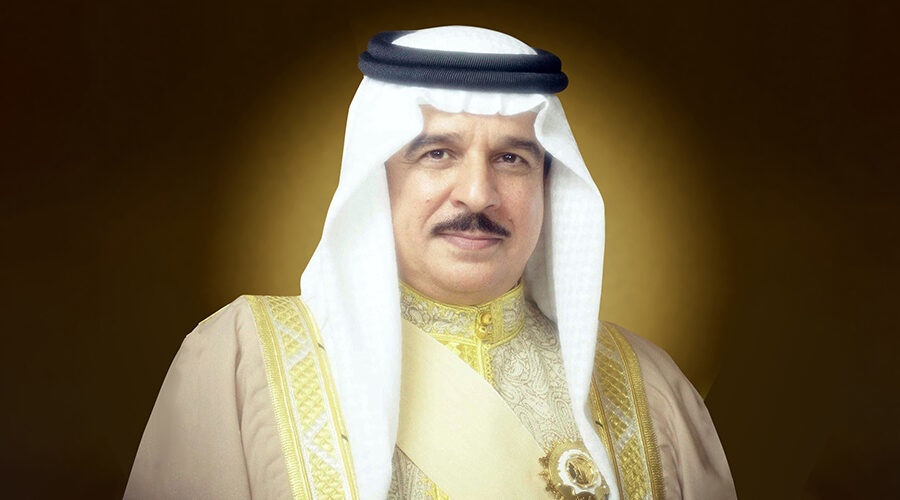

The King of Bahrain King Hamad bin Isa Al Khalifa wants the people in charge to take action away against anyone who is accused of being disloyal to Bahrain or putting its safety at risk. The King of Bahrain does not want anyone to wait or think twice about this. This news came out between April 19 and 20 2026. It is pretty clear why the King of Bahrain is doing this now. There is a lot of tension in the Middle East and Bahrain is getting a little scared. The King of Bahrain wants to make sure everything is under control. That nobody is doing anything that could be considered a threat, to Bahrain. The King of Bahrain wants to stop anything that looks like it could be a problem.
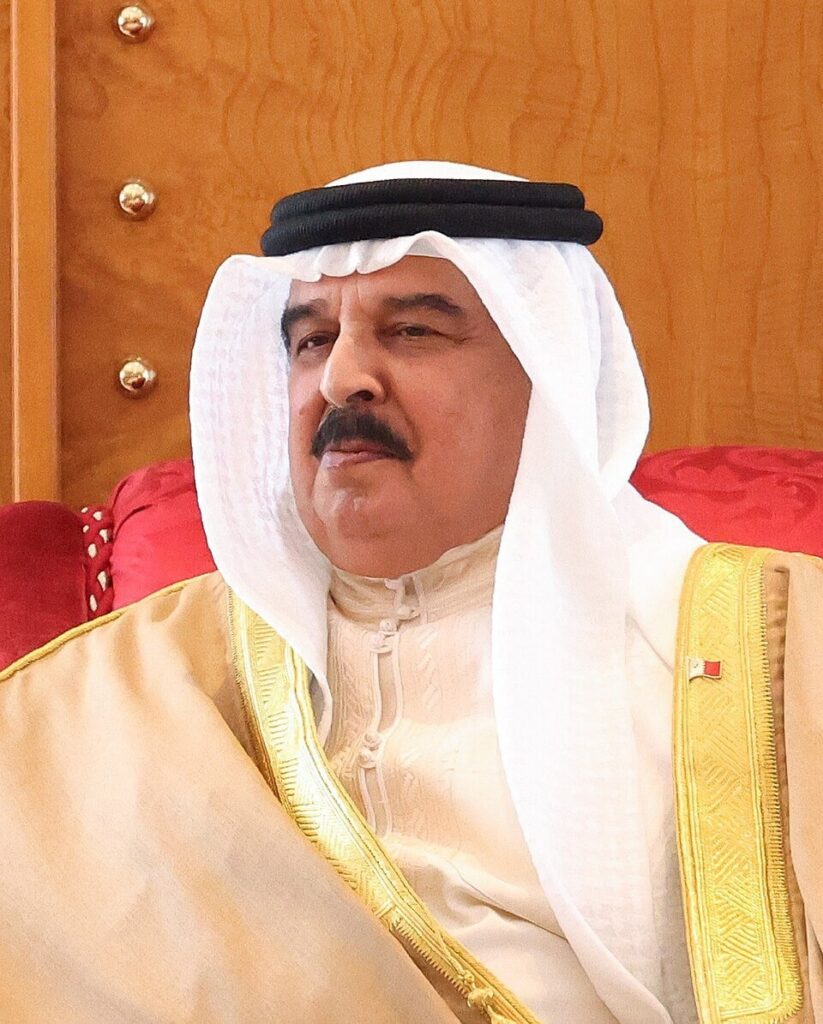
It’s not just talk, either. Official statements in local news spell it out: legal action will hit right away for anyone labeled as disloyal or involved in acts that undermine national stability. On the government’s list are people accused of threatening security, rocking the state’s foundation, or acting against national interests. The tone this time feels much harsher. Officials say the process will be strict and fast—no tolerance for dissent or anyone seen as collaborating with hostile foreign parties.
There’s another part to the crackdown that hits even harder: every case of Bahraini citizenship is now up for review. The King’s order instructs authorities to go over the nationality status of anyone suspected of endangering the country. If someone lands on the wrong side of that review, they could lose their citizenship—plain and simple. The government could also slap on other legal penalties or take away their rights. When the state’s using citizenship like a weapon, the message is direct, and the potential fallout, socially and politically, is huge.
This is not happening on its own. Bahrain is a place but it is very important in the Gulf and it is very nervous because of the fighting and uncertainty that is spreading from the problems between Iran, its friends and the United States.
The police in Bahrain found out about some groups that are said to be working with Irans Islamic Revolutionary Guard Corps.
These groups were looking at places gathering information about big things like roads and buildings and making plans that could be bad, for Bahrain.
So the government of Bahrain wants to fix the problems that it thinks are dangerous both inside Bahrain and outside.
The current crackdown is happening in an unstable situation. Bahrain is where the U.S. Navys Fifth Fleet is based, which makes Bahrain a target when bigger conflicts start. While the fighting is going on the people in charge have been making arrests watching everyone closely and making internal security a lot stricter in almost every way. The crackdown is really focused on keeping everything under control, in Bahrain. King Hamad described the moment as “sensitive” and said it demands serious responsibility from leaders and citizens alike. In his eyes, there’s no room for hesitation right now.
He’s put his son and Prime Minister, Salman bin Hamad Al Khalifa, in charge of making sure these orders turn into action. Bahrain’s leaders say they’re not stopping at immediate threats. Plans are already in motion to beef up security agencies, patch weaknesses in defense and intelligence, and even pursue economic and administrative reforms to create long-term resilience. They want the public—and whoever might be watching from abroad—to see Bahrain as both reactive and proactive.
But there’s still talk of diplomacy, too. The people in charge of Bahrain are being very tough on their citizens. At the time they are saying that they really want to talk things out and work with other countries. They do not want to use force to solve problems. What they really want is for everything to be calm and peaceful in the Gulf.
So they are being very strict at home. They are telling the rest of the world that they are still willing to find peaceful solutions to problems. It is a thing for them to do. Being in control at home and being careful about what they do in other countries at the same time. Bahraini officials are trying to balance these two things. They want to be in control at home. They want to be careful with other countries. Bahraini officials are saying they want stability, in the Gulf.
Inside Bahrain, the move sets off a wave of questions and raised eyebrows. Critics and rights watchers will want to know: how flexible is the definition of “betrayal?” Is this just a way to silence political opposition or crack down on free speech? Bahrain’s history is full of tension between the ruling family and sections of society, especially in rocky times. These new measures are guaranteed to spark more arguments about where to draw the line between security and freedom.
Supporters of the government, on the other hand, say these actions are vital. For them, it’s about protecting the nation, keeping out foreign troublemakers, and making sure the country stays stable during a dangerous era.
All of this gets worse because of Bahrains position. The Fifth Fleet is based close to areas of conflict. This means any problems inside Bahrain could easily spread and cause trouble. Bahrain helps keep shipping routes in the Gulf safe. It also serves as a spot for Western countries, especially the United States to keep an eye on things. So the risks are much bigger than you might think for a country small, as Bahrain.
King Hamad wants to take legal action and may revoke citizenship and increase security. This is a change for Bahrain. The country is saying it won’t accept threats from within or outside.
What does this mean for normal people, local politics and the wider region? This is the question. Everyone is waiting to see what happens next. Will these steps help Bahrain. Create new problems, about rights and governance in an unstable area?