
Iran just announced they’ve started collecting transit fees from commercial ships going through the Strait of Hormuz. It’s their first batch of revenue, and honestly, it’s a pretty bold move in one of the world’s busiest and most sensitive shipping channels. With all the tensions simmering in the region, this is making waves—not just locally, but everywhere fuel or goods move.
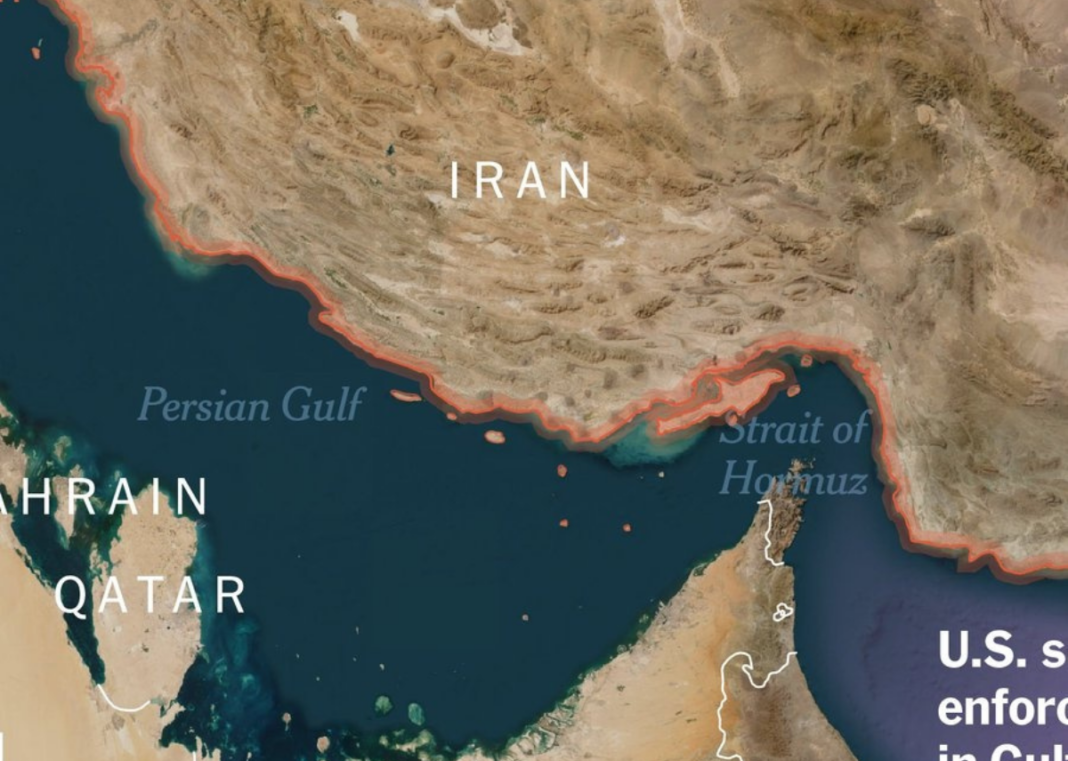
The Strait of Hormuz sits between Iran and Oman and keeps global energy flowing. Nearly a fifth of the world’s oil and tons of liquefied natural gas funnel through here. Any hiccup or change in who’s in charge? Markets feel it immediately. Oil prices climb, shipping gets pricier, and everyone starts paying attention.
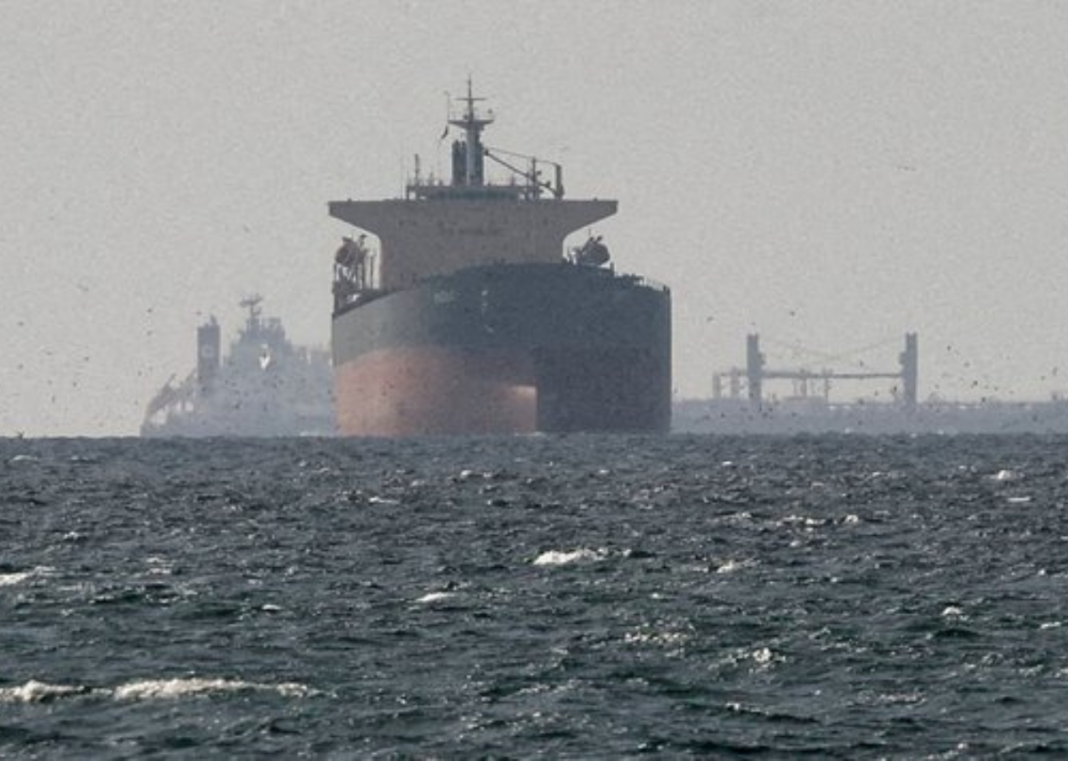
Here’s what’s new: Iran rolled out a plan forcing vessels—tankers, cargo ships, whatever you’re hauling—to pay transit fees. Iran says it’s for maritime services, security, and for using waters under their watch. They’ve already pulled in some cash and the money’s been transferred to their central financial system. They’re not saying exactly how much they’ve collected, but apparently several ships have paid up.
Fees aren’t fixed. Iran charges based on things like what’s being shipped, the size of the ship, the risk level, and if the route’s especially sensitive or risky. If you’re moving high-risk cargo or have a big vessel, the bill stacks up fast.
The timing isn’t random.Tensions in the Middle East are very high now especially between Iran and Western powers. This year has seen a lot of fighting between militaries, which has caused problems for ships in the Strait. For a while ships were moving slowly because of all the security threats, naval stand-offs and even attacks on commercial vessels. The situation was very bad. Iran has responded to all this by adding naval ships and controlling the traffic in the Strait. Iran is taking these steps to deal with the situation, in the Middle East and the Strait.
Since then, partial stabilization and some talks have loosened things up a bit, so ships are moving again—but with strict new rules. If you want to sail the strait, you have to pay the fee and follow Iran’s guidelines.
Iranian navy and security forces are enforcing these fees. Ships need to stick to lanes closer to Iranian waters, hand over paperwork and cargo declarations, and pay what’s owed before or during their passage. Step out of line, and you risk delays, inspections, or worse. Iran’s already detained ships they say broke maritime rules.
This isn’t just about keeping a closer eye. Iran’s gone from informal control—just detaining ships here and there—to an organized system that’s formal, economic, and ready to impact global trade.
This is really causing a lot of concern around the world. The Strait is like a road that everyone can use and there are rules to make sure that people can sail through it without any problems.. Now Iran is saying that it wants to charge people to use it and that is not fair. This is a deal because it goes against the rules that everyone agreed on. Some people think that if Iran can do this then other countries might try to do the thing. The companies that own the ships are getting worried because they do not know what isn’t going to happen and they are afraid that it is going to cost them a lot more money to use the Strait. The Strait is still a concern, for these companies.
Some countries and operators are pushing back on Iran’s right to collect these fees. Others are just complying to avoid headaches or risk. So, it’s a mixed bag: some pay, some protest, but the new system is in place.
The ripple effects are huge. The Strait of Hormuz isn’t just a local issue—it’s a global energy lifeline. Every new fee or conflict here hits:
- Oil prices
- Insurance premiums for ships
- Freight costs
- Energy security for countries that depend on imports
Since the fees launched and instability continued, shipping costs jumped. Ship insurance in the area is pricier than ever, thanks to new risks. Some operators are rerouting or stalling shipments, while others just take the hit and pay.
There’s another twist—payment methods. Iran isn’t sticking to traditional banking and currencies. They’re eyeing non-Western currencies and maybe digital options or alternative financial instruments. It’s a way to dodge Western banks and soften the sting of sanctions. But this lack of transparency, about how much is being collected or exactly how payments work, is rattling global shipping companies even more.
Strategically, this is Iran making a play for control. By tying money directly to passage, Iran’s boosting its leverage in diplomatic and regional talks. The strait’s been a bargaining chip or flashpoint for years, and these fees add another layer to negotiations over sanctions, security, and freedom of movement.
Iran’s struggling economically thanks to sanctions, so this cash helps. But the move ratchets up the risks. Even though things have stabilized a bit, the situation’s still shaky. Any flare-up—military or political—could slam shipping and drive up oil prices, disrupt supply chains, and see warships crowding international waters.
Bottom line: Iran collecting its first transit fees marks a major shift in how the Strait of Hormuz operates. It’s not just a matter of collecting money; it changes the whole game. Iran sees it as their right and a source of badly needed revenue. But for the rest of the world, it’s a legal, economic, and geopolitical headache. How this plays out depends on how nations, markets, and international bodies choose to respond. The stakes couldn’t be higher for global trade and energy.