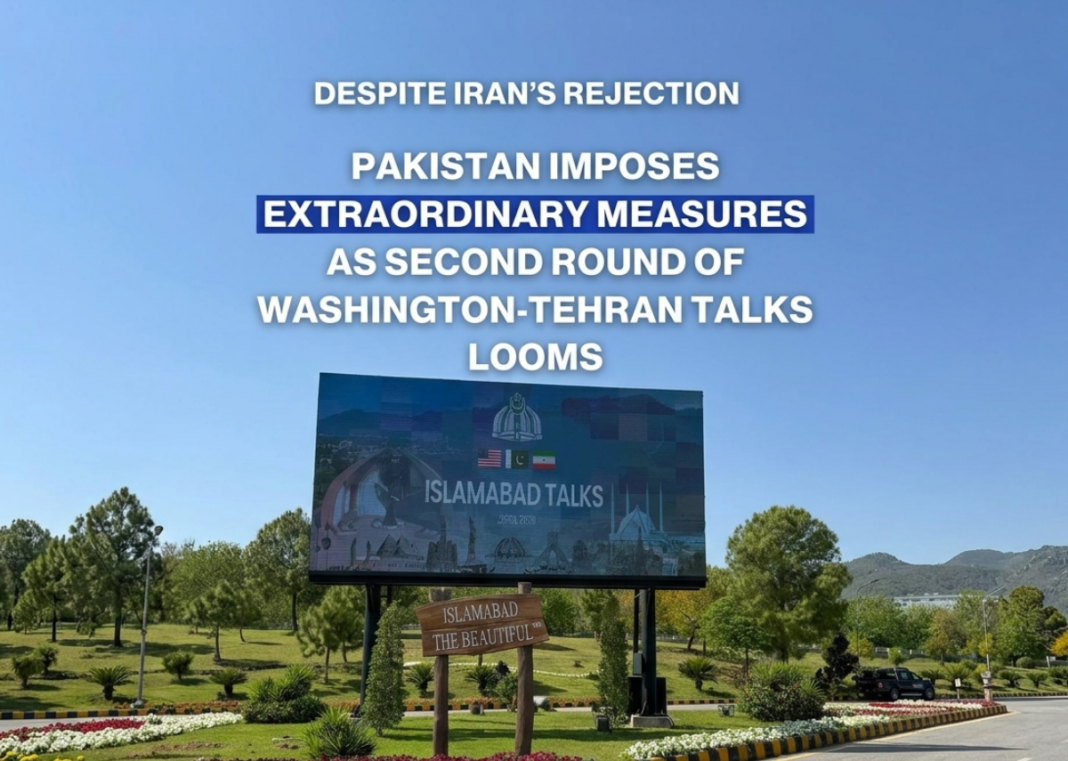

Islamabad the heart of Pakistan’s government has pretty much turned into a fortress. Authorities shut down the Red Zone, locking up the city’s most important administrative and diplomatic area. That’s produced a lot of headaches for everybody: traffic’s jammed, public access is tricky, and life’s just more complicated all over.
What’s actually inside the Red Zone? All the big stuff: Parliament, the Prime Minister’s Office, Supreme Court, Presidency, plus a bunch of foreign embassies. Whenever there’s something major happening—political or diplomatic—the government runs tight security, and now it’s much stricter than usual.
This time, the lockdown kicked in because a batch of foreign delegations landed in Islamabad. So officials rolled out heavy security all over town.
No Way In or Out
Right now, the Red Zone and its extended areas are sealed shut—no cars, no buses, not even private vehicles. Barricades are up, checkpoints everywhere, with a lot more security personnel stationed around. If you need to reach places like Kashmir Chowk, Serena Chowk, or Srinagar Highway, you’ll run into roadblocks or partial closures. Even major veins like Islamabad Expressway are clogged with security checks and diversions.
Heavy vehicles have been banned altogether. Transport operators got a heads-up: skip Islamabad while the lockdown lasts.
Why All the Fuss?
It’s really about those high-level foreign delegations arriving for some big international discussions. Authorities aren’t saying much about what’s on the table, but several reports hint Islamabad’s hosting crucial negotiations—probably the kind that attract mediators and diplomats from all over.
Lockdowns like this aren’t rare. When Pakistan acts as mediator or host for major talks, or big events roll in, the capital often faces this kind of clampdown.
Traffic—and Pain—Everywhere
Closing the Red Zone doesn’t just hit the city center. It spills over into Rawalpindi too; together, the “twin cities” are tangled up in traffic chaos.
Officials rolled out a new traffic plan, redirecting everybody onto less-sensitive routes: Ninth Avenue, Margalla Road, bits of Srinagar Highway, Murree Road, Rawal Road for folks moving between cities. Junctions like Zero Point, Faisal Avenue, and Korral Chowk? Sometimes they’re open, sometimes not—it all depends on the security situation.
Folks are stuck in delays; buses and vans aren’t running their usual routes. Ride-hailing drivers are pretty much boxed out of central zones. Heavy vehicle restrictions jam up surrounding streets.
How It Hits Everyday Life
Honestly, the lockdown makes a difference you can feel:
- Transport’s A Mess
Public buses and vans barely run, or are stopped altogether in several spots. Even ride-hailing services are blocked from going near the Red Zone.
- Businesses Brace Themselves
Shops, markets, offices close up or run shorter hours. Nobody wants to get caught in the mess, so schedules shift. That’s happened before during security operations.
- Movement Gets Tight
If you live close to the diplomatic patch, expect strict ID checks and limited movement especially around high-security checkpoints.
Security Presence
The city’s crawling with security right now. Police and Rangers are everywhere, armored vehicles and barriers block big entry points, surveillance is dialed up, checkpoints are stronger. Only official staff get through. Sometimes, these operations mean thousands of security people are posted—not much sneaks past.
This Isn’t the First Time
Lockdowns come and go in Islamabad. Whether it’s high-profile diplomatic visits, international talks, political rallies, or sensitive religious gatherings, strict security zones are just part of city life.
Earlier in 2026, Islamabad went through similar closures for international events and foreign delegations. The result: jammed roads, lots of checkpoints, and a city in lockdown mode.
Kind of highlights how Islamabad is a high-security, diplomatic hotspot where civilian life often takes a backseat to government priorities.
What Do People Think?
Reactions are honestly all over the place. Some folks get it—they know security’s important with all these diplomats around, and there are real threats. But others are fed up. Road closures, traffic headaches, and messing with daily routines spark plenty of frustration.
If you scroll through social media or local forums, you’ll spot complaints about all the unpredictability, especially since these lockdowns can be announced last minute.
What Officials Want Everyone to Do
Government advice is pretty straightforward: avoid the city center, stick to alternate routes, cooperate with law enforcement, and keep up with official traffic updates.
They say the lockdown’s temporary and necessary to keep the city safe and let international meetings run smoothly.
Wrapping Up
Sealing up Islamabad’s Red Zone shows how much security matters when diplomats and officials are around. It’s rough on residents and commuters—no doubt about it—but authorities insist these moves are needed for keeping everything in order.
So as more foreign delegations roll into town and security stays tight, Islamabad residents should expect restrictions and traffic pain until those diplomatic events wind down.