
The situation in the Persian Gulf and the Red Sea is getting really bad fast. This problem began when people discovered that the United States is utilizing its navy to put pressure on Iran.
The United States is now stopping things from coming and going from ports. The Persian Gulf and the Red Sea situation is becoming very serious because of this. The United States navy is causing problems, for Iran by stopping things from coming and going from Iranian ports. The people in charge in Iran like the newspaper Kayhan and some members of the government are not happy about this. People are trying to get Iran to fight back against the United States. Some people want Iran to attack ships that are moving through the Strait of Hormuz. They also want their friends, the Houthi allies in Yemen to attack ships in the Bab el-Mandeb Strait.
The Persian Gulf and the Red Sea are very important for ships that carry things around the world. The Strait of Hormuz is extremely important for oil and trade. Iran needs the Strait of Hormuz and the Bab el-Mandeb Strait is just as important, for Iran. Ships rely on these routes every day, so any disruption here throws the whole region into chaos. It’d mess up traffic for the Persian Gulf and the Red Sea, no question.
All of this is rattling nerves about possible disruptions to vital global trade, especially the energy shipments that flow daily through these chokepoints. News and political commentary in the region claim the US has really cranked up its naval enforcement near points where Iran gets access to the sea. Details are murky, depending on who you ask, but everyone seems to agree: the US is making life tough for Iranian shipping, focusing on the Strait of Hormuz—a critical artery for the world’s oil exports.
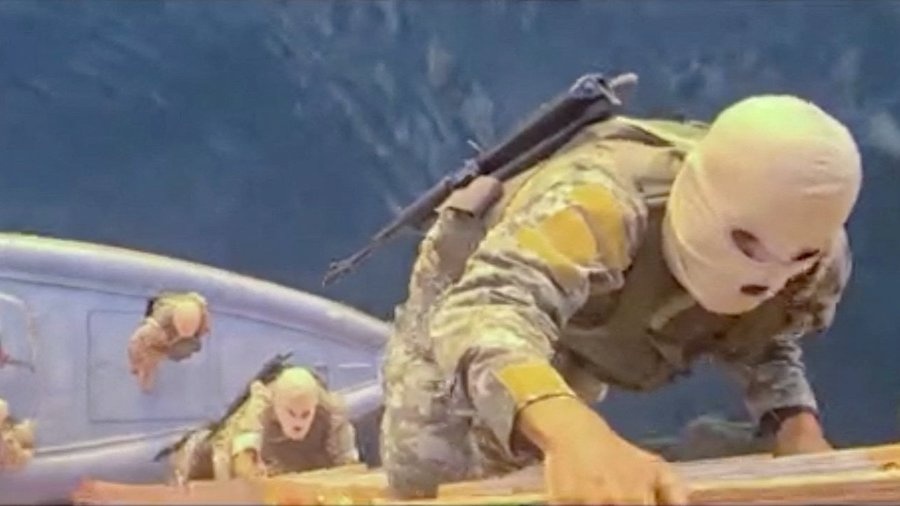
Iran’s hardline media and politicians haven’t wasted time firing back. Kayhan, always a hawkish voice, openly suggested that if things get worse, Iran should start seizing foreign vessels near Hormuz in kind. A handful of MPs are saying much the same: if the US is going to try to strangle Iran’s exports, Iran should hit back symmetrically—legally and strategically, in their view.
The Strait of Hormuz is narrow but incredibly important—it links the Persian Gulf to the world, and any hiccup there has sent oil prices spiking in the past. Iran has never been shy about saying it could shut down the strait if pressed, but everyone knows doing that would probably backfire on Iran’s own economy as well.
But this isn’t just about Hormuz. People who like Iran are looking at Bab el-Mandeb now. This place is where Yemen meets Djibouti. It is the way into the Red Sea from the south. The Red Sea is connected to the Suez Canal. The Suez Canal is important because it lets Europe and Asia trade with each other. Iran supports the Houthis in Yemen. The Houthis already get help from Iran. Some people think Iran will use the Houthis to cause problems for ships in the area if things get worse with Iran. The Houthis and Iran could make it hard for ships to go through Bab el-Mandeb. This would affect trade, between Europe and Asia. Iran and the Houthis could cause a lot of trouble in the area.
The Houthis have attacked ships, in the Red Sea before. They usually go after ships that are linked to the Houthis enemies. If the Houthis were to shut down the Bab el-Mandeb that would be a big deal. The Houthis shutting down the Bab el-Mandeb would be a move that could really mess up global shipping and the supply chains of the Houthis and other people.
It is worth saying that what is coming out in Kaynan or from a few Iran parliament members does not automatically mean the Iran government will make it the official Iran policy. The Iran government has a complicated system with many different power centers. The Iran parliament and the conservative Iran press can push the conversation about Iran. The real decisions on Iran military or Iran foreign policy come from higher up, in the Iran government.
As for the US, there’s no official confirmation of a full-on naval blockade. But the US Navy has kept a tight grip on the region for a long time—always running patrols, escorts, and security missions to keep shipping lanes open and threats at bay in the Persian Gulf.
What is happening here is not really new. It is the latest twist in a long and tense rivalry between Washington and Tehran. The Hormuz area has always been a hotspot. This is because of things like tankers being seized and drones flying around overhead. There have also been standoffs. The Red Sea and Bab el-Mandeb have become more volatile lately. This is because of conflicts and armed groups causing trouble in these waters. The situation, with Washington and Tehran is still very tense.
If there’s a real disruption in either strait, the ripple effects would be huge. Most of the world’s oil exports funnel through Hormuz, and Bab el-Mandeb keeps trade between Europe and Asia moving—especially through the Suez. Any drawn-out problems could spike oil prices, hike up shipping insurance, and snarl global trade.
People who study these things say that Iran talking about blocking the Strait of Hormuz is nothing. Iran has made threats before when they were in trouble with sanctions or the military but they never actually blocked the Strait of Hormuz. The Strait of Hormuz is just too important for everyone so Iran never closed the Strait of Hormuz. The Houthis have also used attacks to get what they want. If they were to close the Bab el-Mandeb completely other countries would get really upset and do something about it quickly. The Strait of Hormuz and the Bab el-Mandeb are very important so blocking them would cause a lot of problems, for Iran and the Houthis.
Now big countries, huge shipping companies and energy markets are keeping a close eye on things.
There is no fighting yet but with all the naval standoffs, strong words and indirect actions there is a high risk that one small incident could quickly get out of control.
Bottom line: The whole situation is tense and unpredictable. US naval pressure and Iran’s political posturing are fueling the fire, but we’re still mostly in the phase of warnings and maneuvers, not outright war. Even so, just the threat of bottlenecks at Hormuz and Bab el-Mandeb is enough to remind everyone how critical these waterways are—and how quickly trouble there can shake up the entire world.