
Iran is taking money from ships that go through the Strait of Hormuz. This money is being put into accounts at the Central Bank of Iran. The Deputy Speaker of the Parliament talked about this on state television on April 23 2026.
So now Iran has a rule that says ships have to pay money when they’re in Iran and this will affect the economy of Iran. The economy of Iran is going to change because of this rule for ships, in Iran. It is happening at a time when thingsre already very tense in the Middle East.
The Strait of Hormuz and Iran are going to have an impact on people who trade, on energy markets and, on laws and this is because of what Iran is doing with the Strait of Hormuz.
Background: A Very Important Waterway
The Strait of Hormuz is one of the important waterways in the world. It is between Iran and Oman. It connects the Persian Gulf to the Arabian Sea. A lot of oil passes through this waterway. About one-fifth of the worlds oil goes through the Strait of Hormuz. This makes it very important for the economy.
For a time ships could pass through the Strait of Hormuz without any problems or fees. This was because of maritime rules. Irans decision to collect fees from ships is a challenge to these rules.
The Announcement and What It Means
Iranian state media said that the first payments from ships have already been collected and put into the Central Banks accounts. The Iranian government says this is their right and they need to do it for reasons.
Iran says they are collecting fees for a reasons:
- To make up for losses because of international sanctions
- To pay for keeping the Strait of Hormuz safe and secure
- To show that they are in control of their waters
The fact that payments are already being made shows that this is not just an idea it is actually happening. This shows that Iran is determined to collect these fees even if other countries do not like it.
What Is Happening in the World
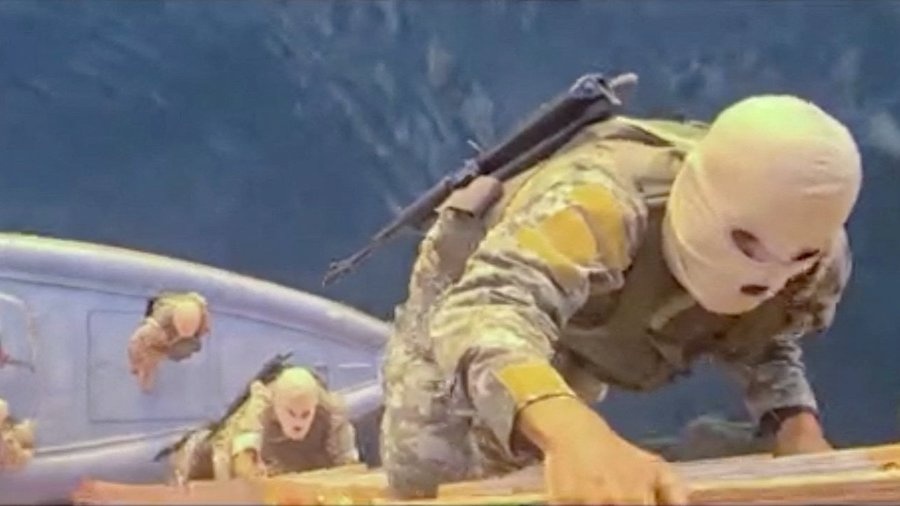
This is not happening in a vacuum. There are already a lot of tensions between Iran and the United States. There are also problems in the Middle East. There have been naval ships in the area and some ships have been seized. This is making everyone more alert.
For Iran collecting fees from ships is part of a plan. They want to:
- Make their economy stronger with sanctions
- Use their location in the Strait of Hormuz to their advantage
- Send a message to countries and their rivals
This could also make tensions worse with countries that need to use the Strait of Hormuz.
Economic Effects
Collecting fees from ships could make Iran a lot of money.. It could also cost other countries a lot. Companies may have to pay more to transport oil and goods. Insurance rates could go up because it is seen as an area. This could affect oil prices.
Countries in Asia like China, India and Japan could be especially affected. They rely heavily on oil that passes through the Strait of Hormuz.
Legal and Diplomatic Problems
Irans decision raises questions about maritime law. The United Nations Convention on the Law of the Sea says that ships should be able to pass through straits without any problems. Even though Iran did not fully agree to this convention most countries follow these rules.
Legal experts say that:
- Collecting fees from ships that pass through the Strait of Hormuz may not be allowed
- This could set a precedent for other countries to do the thing
- There could be disputes in courts or through diplomatic channels
Some countries have already said they are worried about this. The United States and its allies may not accept this. Could respond in different ways.
Risks and What Happens Next
It is not clear what will happen in the term. Iran may make some money from this. There are also big risks. There could be problems if Iran tries to enforce these fees. Other countries may respond with political measures. Iran could become more isolated.
If this becomes normal or is negotiated through international agreements it could change how important waterways are managed.
This is also making it uncertain for markets. People are watching to see if other countries will pay these fees or resist them. They are also waiting to see if tensions will get worse or better.
Irans decision to collect fees from ships that go through the Strait of Hormuz is a change. It affects the Middle East and shipping rules. By doing this Iran is showing that it is willing to challenge norms.
This will have effects:
- It could change shipping costs and energy markets
- It could make relations between Iran and other countries worse
- It raises questions, about how the oceansre managed
The world is watching to see how this will play out. Will countries accept this challenge it or negotiate? The outcome will affect not the Strait of Hormuz but also global trade and navigation in the future.