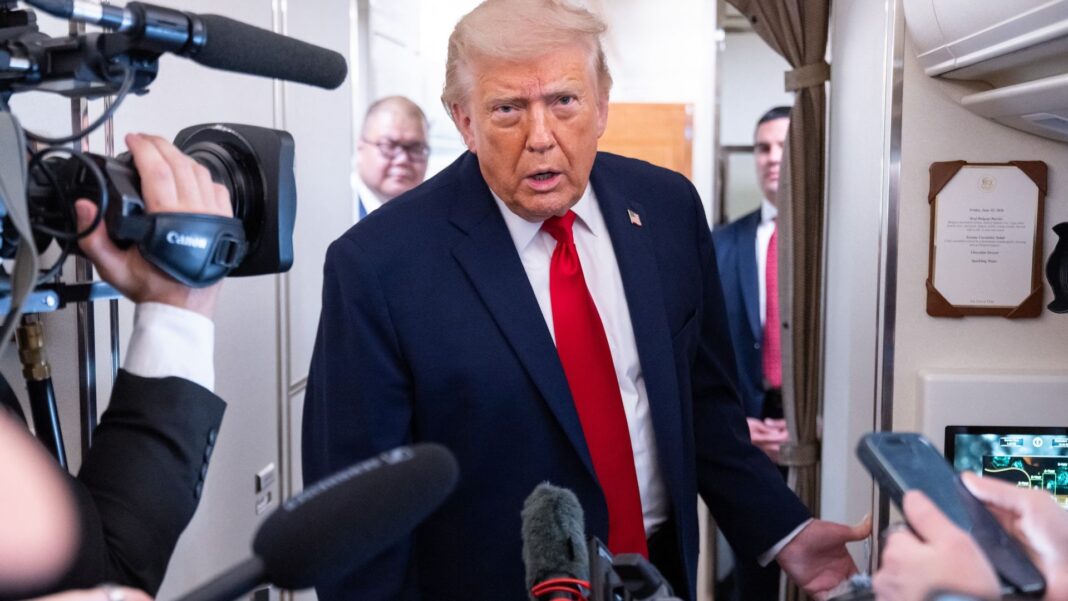

President Donald Trump called on Israel and Iran to stop all military action on Monday, June 8, after Israeli Prime Minister Benjamin Netanyahu defied a direct American request to stand down and ordered strikes on Tehran and other Iranian cities. Iran’s armed forces announced a suspension of its military operations on Monday but threatened more severe measures if Israeli attacks continued. The exchanges mark the most serious escalation since a ceasefire was agreed on April 8.
Trump posted on Truth Social calling for Israel and Iran to “immediately stop shooting.” The appeal came hours after Netanyahu authorised strikes on Iranian military targets, triggering a further round of Iranian missile fire toward Israel.
The exchanges on Sunday night and Monday morning are the most significant escalation since the April 8 ceasefire and are threatening to unravel the negotiations between the Trump administration and Iran. They also raise the prospect of drawing the United States back into direct military involvement in the conflict.
The sequence of events began on Sunday when Iran launched a barrage of missiles at Israel in retaliation for an Israeli attack on Lebanon, which Tehran regarded as a violation of the ceasefire terms. Trump told Axios he would ask Netanyahu not to retaliate so as not to “blow up” the deal he is negotiating with Iran, and soon after called Netanyahu to relay that message directly. Several hours later, Netanyahu ordered strikes on multiple military targets inside Iran, including in Tehran.
Iran then responded by launching more missiles, including toward Tel Aviv. The Iranian military fired more than 25 missiles at targets in Israel. Most were intercepted.
A U.S. official told Axios that the Trump-Netanyahu phone call was described as “polite” but that the Israeli prime minister pushed back on the American request. “Netanyahu was expressly told the cycle needs to end. The U.S. didn’t agree or support these strikes,” the U.S. official said.
While two U.S. officials said the U.S. military was not involved in the Israeli strikes on Iran, an Israeli official said the U.S. did help intercept Iranian attacks on Israel.
On Monday morning, the Israel Defense Forces said it attacked air defense systems that Iran had rebuilt during the ceasefire period. Israel later struck a large petrochemical facility in Iran, which the IDF claimed was used to produce raw materials for weapons manufacturing. An IDF official told reporters on Monday morning that Israel was preparing for several days of fighting. Axios
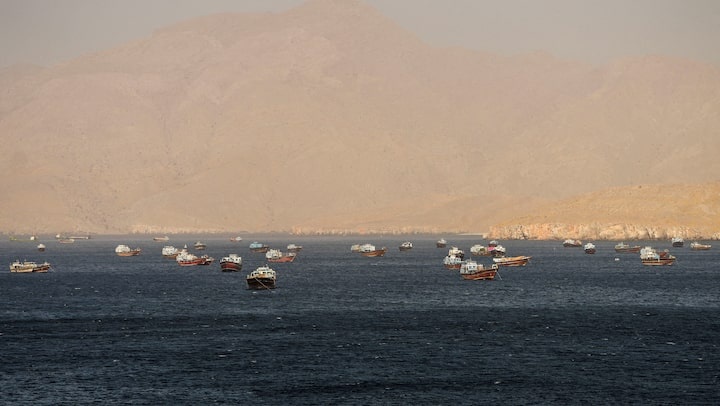
The Iranian Revolutionary Guard Corps warned it could retaliate by attacking infrastructure facilities in Israel and in Gulf countries. Iran’s Foreign Ministry spokesperson Esmail Baghaei said the United States was directly responsible for Israel’s actions and stressed that developments “will only worsen the chaotic situation of the diplomatic process,” according to Axios. Axios
The Houthi rebel movement in Yemen also entered the fighting. The Houthis launched two missiles at Israel and announced they would attack Israeli vessels in the Red Sea. Prior to the Israeli strikes, Iran had threatened to expand its attacks and target U.S. military bases in the region if Israel retaliated.
Regional and Global Impact
The renewed fighting directly threatens the diplomatic track that the Trump administration has been pursuing with Tehran. Iran’s Foreign Ministry said the developments would worsen the diplomatic process, while the two warring parties expressed far less optimism about a deal than Trump. The IRGC’s warning to target infrastructure in Gulf countries extends the potential blast radius of the conflict to American allies across the broader region.
Background
Israel and Iran have been engaged in direct military confrontation since hostilities between the two countries escalated beyond proxy warfare. A ceasefire was reached on April 8, 2026. The agreement held until Iran launched missiles at Israel on Sunday, June 7, citing Israel’s military operations in southern Lebanon as a ceasefire violation. Netanyahu’s decision to strike Iran overrode a direct appeal from Trump, who had been engaged in nuclear negotiations with Tehran. The IRGC had previously threatened to target U.S. regional bases if Israel retaliated, raising the stakes for American forces stationed across the Middle East.
What Happens Next
Iran’s armed forces announced a suspension of military operations on Monday but it was not immediately clear whether Israel would agree to a parallel pause. The Independent Office investigating Iranian ceasefire compliance and the Trump administration’s nuclear talks with Tehran both remain active, though their status is now in doubt. Trump claimed on Monday that negotiations with Iran should move “quickly,” unless “ignorance or stupidity” intervene, according to Axios. The IDF has signalled it is prepared to sustain military operations for several more days.