
Iran’s ambassador to Moscow said on Monday that the Strait of Hormuz will remain open but that ships transiting the waterway will face new conditions set jointly by Iran and Oman, including a transit fee. Ambassador Kazem Jalali made the statement in an interview published by the Russian newspaper Izvestia. The remarks come as the U.S.-Israeli military conflict with Iran has severely disrupted the flow of oil and gas through the world’s most strategically critical shipping lane.
“Of course, this strait will be open, but with new conditions to be determined by the Iranian and Omani authorities,” Jalali told Izvestia.
He gave no details on how such fees would be calculated or when they would take effect. “We understand that Iran and Oman provide certain services related to this strait. And fees will be charged for those services,” he said without elaborating.
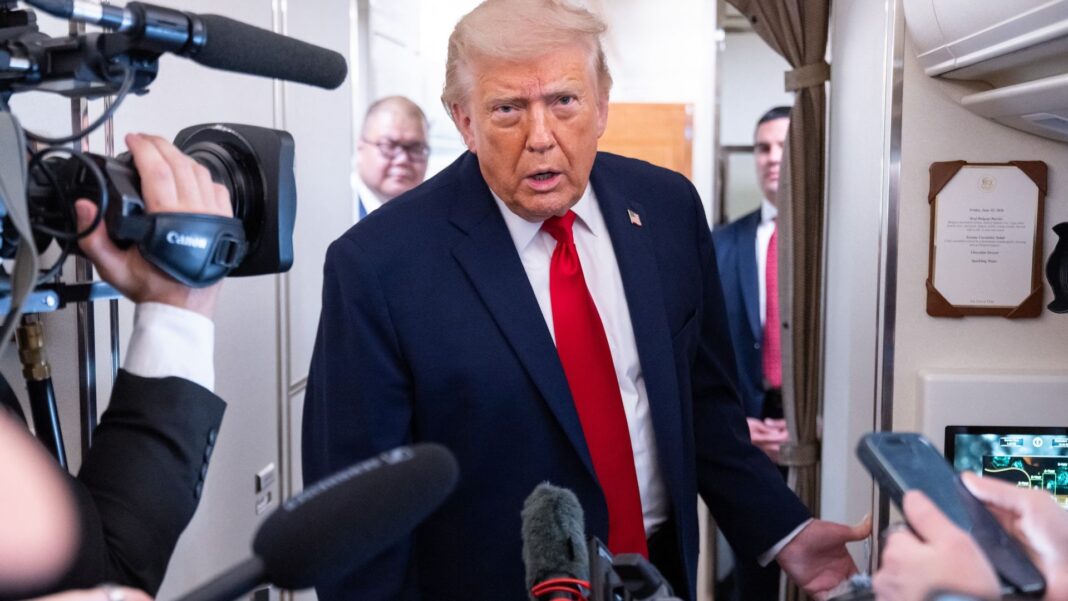
Iran has asserted that a permanent peace deal should allow it to demand fees for ships passing through the strait, which would vary depending upon the type of ship, its cargo and prevailing conditions. The position sets up a direct collision with Washington. U.S. President Donald Trump has vehemently opposed the toll proposal, and in late May the U.S. warned Oman not to get involved in any effort with Iran to impose a toll. Treasury Secretary Scott Bessent said Oman’s ambassador had told him there were no plans to impose such tolls.
Despite that assurance from Muscat, Jalali’s comments on Monday put Oman back at the centre of the fee debate, framing Tehran and Muscat as joint administrators of any future transit regime.
The military situation in the region remains active. On Monday, Israel said it struck military targets in western and central Iran, even after Trump reportedly told Israeli Prime Minister Benjamin Netanyahu to refrain from further attacks. The strikes add pressure to ongoing ceasefire and peace negotiations and deepen uncertainty over when, and under what terms, normal shipping operations through the strait might resume.
Japan offered the clearest data point so far on how the fee regime might work in practice. Japan, which imported about 95% of its oil needs from the Middle East before the war, said it did not pay a fee after a Japan-linked crude oil tanker passed through the waterway in May. That passage suggests the strait is not fully closed, but the absence of a consistent fee framework means each transit remains subject to uncertainty.
Regional and Global Impact
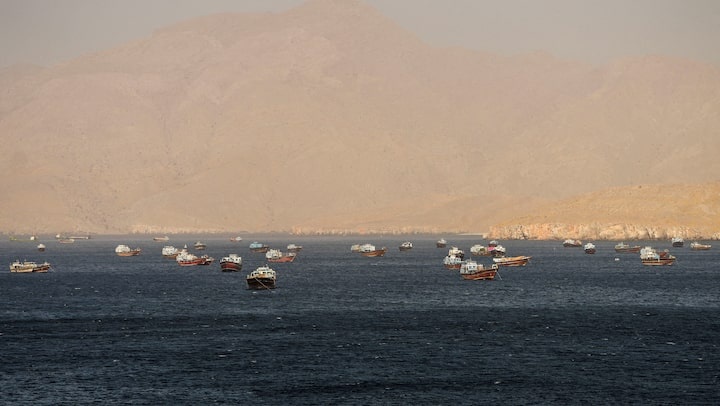
The U.S.-Israeli war on Iran has largely cut oil flows via the strait, which before the conflict saw one-fifth of the world’s oil pass through. Several tankers have managed to leave the Gulf, but oil and liquefied natural gas flows are still severely constrained. Any formalised transit fee would represent a fundamental change to the legal and commercial basis on which global energy markets have operated for decades. Countries heavily dependent on Gulf oil exports — including Japan, South Korea, India, and European states — would face direct cost increases on crude imports if a toll system took effect.
According to Reuters, the fee structure Iran has described would not be uniform. Charges would vary by vessel type, cargo classification, and conditions at the time of transit, creating a variable cost environment for shipping companies and oil traders operating in the region.
Background
The Strait of Hormuz is a 33-kilometre-wide chokepoint between Iran and Oman connecting the Persian Gulf to the Gulf of Oman and the Arabian Sea. Before the U.S.-Israeli conflict with Iran began, roughly one-fifth of the world’s oil supply passed through it daily. Iran has long held legal and geographic leverage over the strait, sharing control of the waterway with Oman. Tehran has previously threatened to close the strait at multiple points of tension with Western governments, though it has never done so. The current conflict has achieved through disruption what Iran never formally executed through closure. Iran’s parliament passed a commission-approved Hormuz toll plan earlier in 2026, signalling that the fee proposal has domestic legislative backing.
What Happens Next
Iran has linked the implementation of any formal transit fee to the terms of a permanent peace agreement, according to Reuters, meaning the toll structure is unlikely to be imposed unilaterally while ceasefire talks continue. The U.S. position — communicated directly to Oman in late May — remains firmly opposed to any toll arrangement. Oman has publicly denied any intention to co-impose fees, creating a gap between its stated position and the framework described by Iran’s ambassador. Israel conducted new strikes on Iran on Monday, and further military action could delay or complicate any peace negotiations that would trigger the fee question. No timeline for a formal Hormuz transit agreement has been announced by Iran, Oman, or any mediating party.