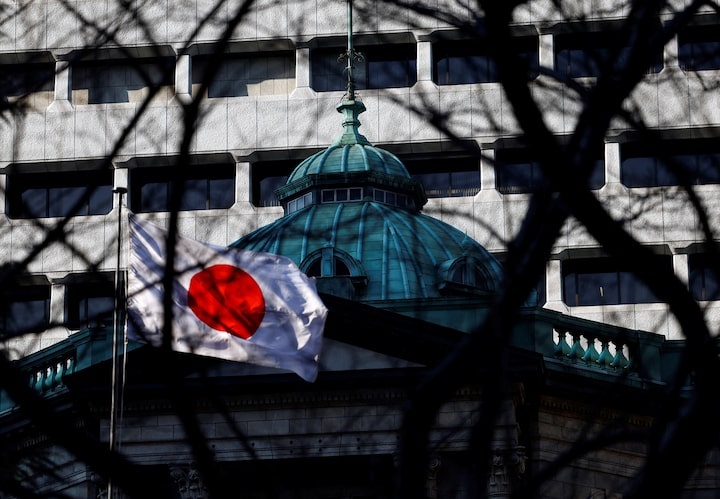

The Bank of Japan is expected to raise its benchmark interest rate from 0.75% to 1.0% at its June 15–16 policy meeting — the highest level since 1995 — and push borrowing costs to 1.25% before the end of the year, according to a Reuters poll of economists published on June 10. The June 2–8 poll found that 94% of economists surveyed, or 66 of 70, forecast the policy rate would rise to 1.0% by the end of June, up from 65% in a May survey. The shift comes as Governor Kazuo Ueda signals a decisive turn toward fighting inflation driven by the ongoing war in Iran.
Ueda’s Pivot
Bank of Japan Governor Kazuo Ueda all but cemented a June rate hike in a speech on June 4, marking a clear narrative pivot toward inflation fighting as the Iran war-driven energy shock sharpens price risks and opens the door to more frequent increases in borrowing costs.
In that speech, Ueda shed his previously dovish image and stressed the central bank’s readiness to act against mounting inflation that could harm the economy if left unchecked, reframing Japan’s policy path so that inflation risks — not simply the achievement of stable 2% inflation — sit at the centre of rate decisions.
The language Ueda used was pointed. “Even if the situation surrounding the Middle East remains unclear, we must discuss the pros and cons of raising the policy rate if we judge that upside risks to prices outweigh downside risks to economic activity,” Ueda said, in phrasing that reinforced dominant market bets of a rate hike at the June 15–16 meeting. Analysts noted the wording echoed his remarks ahead of December’s rate increase — but went further by broadening the conditions under which rates could rise.
Speaking at a forum in Tokyo, Ueda said the Bank of Japan needs to keep raising interest rates in response to developments in the economy and inflation, and that if the economy evolves in line with the BOJ’s forecasts, “I think the bank will continue to raise the policy interest rate at an appropriate pace.”
A Near-Unanimous Market Bet
A separate Bloomberg survey of 51 economists found 49 expected the BOJ to raise the key rate a quarter point to 1% when the policy board concludes its two-day meeting on June 16 — the highest since 1995. The Bloomberg poll also showed respondents expecting the rate to rise to 1.25% by year-end, implying one more hike after June.
BOJ officials also see scope for additional increases beyond June, citing still-low real interest rates and persistent upside risks to inflation, according to people familiar with the matter.
Three sources familiar with BOJ thinking told Reuters that “unless there’s a severe escalation in the conflict, the BOJ will probably hike rates in June.” The Bank of Japan declined to comment on those remarks.
The Yen Factor
The yen’s slide is adding urgency to the BOJ’s calculations. With the yen hovering around the critical 160-per-dollar level that could trigger intervention, analysts say any delay in policy tightening could put further downward pressure on the Japanese currency.
The yen briefly touched 160 per dollar on June 2 for the first time since April 30, and that currency weakness matters because it raises the cost of imported fuel and food, adding to inflation pressure at the same time that Japan is trying to avoid derailing a still-fragile recovery.
Yet some analysts caution that a single hike may not be sufficient. “Even if the BOJ raises rates in June, any rebound in the yen will be limited,” said Rinto Maruyama, a strategist at SMBC Nikko Securities. He added that it would take a stronger, sustained tightening signal to move the currency meaningfully.
Divisions on the Board
The case for action has been building internally for months. At the April 28 meeting, the BOJ voted 6–3 to keep rates unchanged, with board members Hajime Takata, Naoki Tamura, and Junko Nakagawa dissenting in favor of a hike, arguing that inflation risks from overseas price shocks and a weak domestic policy setting were already mounting.
At the March 2026 meeting, the rate was also left unchanged at 0.75%, passing by an 8–1 vote with Hajime Takata again dissenting in favor of a hike to 1%. The consecutive dissents reflect a board that has been pulling toward tightening faster than its leadership has moved.
Regional and Global Impact
A rate increase at this juncture carries consequences well beyond Japan’s borders. Higher Japanese rates would raise financing costs for households and companies, support the yen, and potentially unwind part of the carry trade that has benefited global investors borrowing cheaply in yen.
Central banks in other jurisdictions, including the U.S. Federal Reserve and the European Central Bank, are monitoring the BOJ closely for any spillover effects on their own policy outlooks. A sustained unwinding of yen-funded carry trades could increase volatility in equities, emerging markets, and other asset classes.
A firmer yen can reduce the cost of imported raw materials for Japan, but may make Japanese goods more expensive overseas, potentially pressuring export volumes for manufacturers. Mortgage rates are also expected to rise gradually as banks pass on higher funding costs.
Previous BOJ rate hikes since 2024 have triggered sharp drops in cryptocurrency markets, with Bitcoin falling between 23% and over 30% within weeks of each increase, according to market data tracked by analysts.
Background
Japan spent decades in near-zero or negative interest rate territory as part of its long effort to escape deflation and revive economic growth. The June decision, if confirmed, would mark the first increase in 11 months and the steepest policy rate level in nearly 30 years, according to Nikkei. The BOJ began its current tightening cycle in 2024, raising rates in March, July, and January 2025 before pausing. The central bank has grown more wary of inflation risks than downside hazards to the economy, a shift the Reuters poll reflects in the near-unanimous forecast for a June move. The Iran conflict has been a key catalyst, driving energy prices higher and adding imported inflation pressure to a yen already under sustained selling pressure.
What Happens Next
The Bank of Japan’s Monetary Policy Meeting concludes on June 16, 2026, with the rate decision and statement expected around 3:00 p.m. Japan time. Many analysts anticipate at least one additional 25-basis-point hike later in 2026, possibly in the fourth quarter, with median forecasts from Reuters polling pointing to a policy rate of around 1.25% by year-end and further gradual increases into 2027. The primary downside risk is a sharp escalation in the Middle East conflict that could roil financial markets and force the BOJ to pause, while domestic data including the upcoming Tankan survey and wage negotiations will also influence the board’s assessment of whether the economy can absorb further rate increases without derailing growth.