
DRC Ebola Cases Near 600 as Africa CDC Warns Response Is Hitting Operational Limits
The Democratic Republic of Congo recorded 598 confirmed Ebola cases and 115 deaths as of Tuesday, with 48 new confirmed cases and 14 deaths reported on Monday alone — the highest single-day addition since the outbreak was declared on May 15 — as the Africa Centres for Disease Control and Prevention warned that response operations are facing significant constraints that are limiting containment efforts. The combined DRC-Uganda caseload has now surpassed 608, according to Africa CDC figures that include Uganda’s 19 confirmed cases.
According to the latest report from DRC public health authorities, confirmed cases had been rising from one week to the next, showing “continued community transmission” of the disease. Three more Ebola patients were declared recovered on Monday, bringing the total number of recovered patients to 22. foodsafetyfoodsafety
The Africa Centres for Disease Control and Prevention warned on Tuesday that ongoing response efforts are “facing significant operational constraints,” noting that health facilities in several affected areas are in poor condition and often lack potable water, incinerators, personal protective equipment, and decontamination supplies. Those gaps are especially acute in Ituri Province, which remains the centre of the outbreak. foodsafety
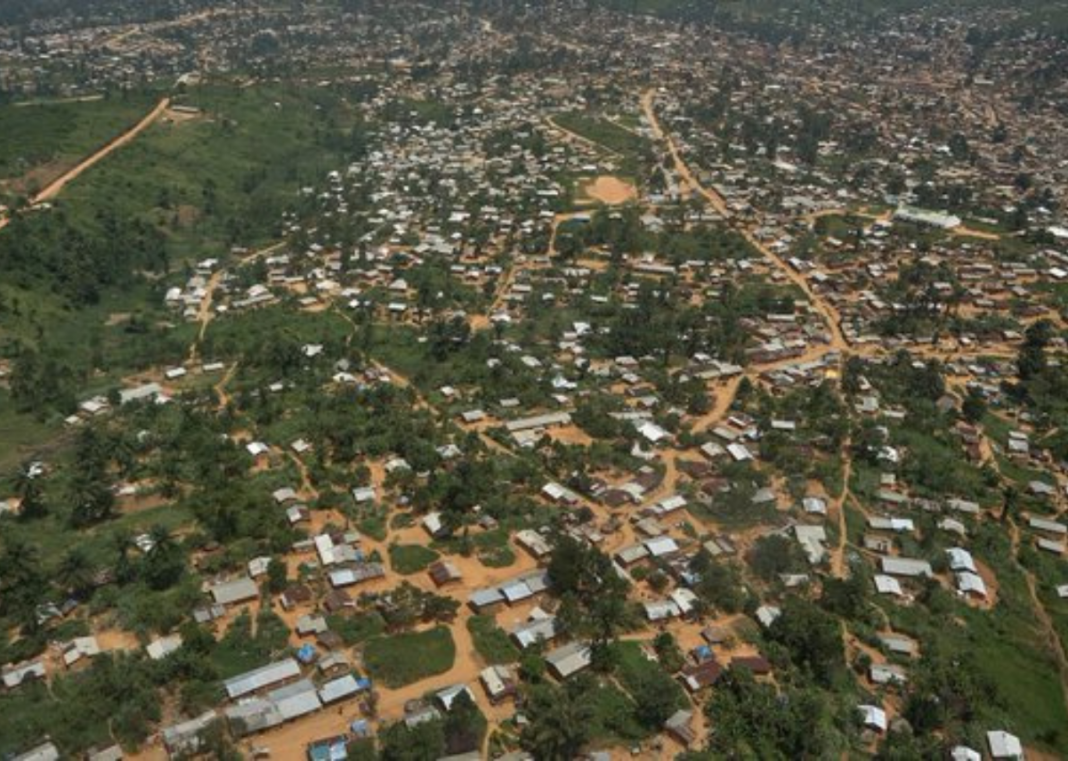
The outbreak’s transmission is currently concentrated in Ituri Province in eastern DRC, which accounts for more than 94 percent of the country’s total caseload, according to Africa CDC. Ituri is the most affected province, with 518 confirmed cases from 17 health zones. In North Kivu, 29 confirmed cases have been reported from seven health zones and in South Kivu, three cases from one health zone. Investing.comstatista
The pace of daily case reporting has accelerated sharply since the outbreak’s first weeks. When the DRC Ministry of Health declared the outbreak on May 15, 246 suspected cases had been reported. By May 29, the combined confirmed case count stood at 134. It has since grown to 598 confirmed in the DRC alone in less than two weeks — a trajectory that suggests the containment measures in place have not yet been sufficient to arrest transmission.
The Africa CDC reported a case fatality rate of 16.7 percent as of Monday, based on 102 deaths from 608 confirmed cases across both countries. That figure is at the lower end of the Bundibugyo virus’s historically recorded fatality range of 25 to 50 percent, which may reflect a combination of improved case identification — capturing more mild cases — and early supportive care. There is no licensed vaccine or approved therapeutic for the Bundibugyo strain. Investing.com
Uganda’s situation remained stable on Tuesday. As of June 8, Uganda had reported a total of 19 confirmed cases, including two deaths. Among Uganda’s confirmed cases, five were associated with local transmission events and 14 had travel links to the DRC. No new confirmed cases were reported in Uganda in the 24 hours to Tuesday morning, according to Africa CDC. statista
One confirmed case has been reported outside Africa. There is one confirmed case — an individual from the United States who had treated patients in the Democratic Republic of the Congo — who is currently receiving care in Germany. The case was confirmed before the current reporting period and has not generated secondary transmission outside the continent. U.S. News & World Report
Regional and Global Impact
The Africa CDC’s warning about operational constraints represents the most direct institutional signal yet that the response architecture deployed in Ituri is insufficient for an outbreak growing at the current pace. The specific deficiencies it named — potable water, incinerators, personal protective equipment, and decontamination supplies — are the foundational inputs without which safe isolation and body management cannot be maintained. Their absence in multiple health zones, nearly a month into an outbreak that has been a WHO public health emergency of international concern since May 17, indicates that the logistical pipeline from international donors to affected facilities remains broken.
For international response agencies, the combination of a surging caseload, confirmed cross-border spread to Kampala, one case under treatment in Germany, and Africa CDC’s public warning about facility shortfalls creates the conditions for an escalation in emergency response classification. The WHO has not revised its risk assessment since May 22, when it rated the outbreak as “very high” at the national DRC level and “high” at the regional level. Updated assessments are expected as case numbers continue to rise.
Background
The DRC declared its 17th Ebola outbreak on May 15, 2026, after laboratory confirmation of the Bundibugyo strain in Ituri Province’s Mongbwalu and Rwampara health zones. The WHO declared a public health emergency of international concern on May 17. WHO Director-General Tedros Adhanom Ghebreyesus visited Bunia — Ituri’s provincial capital — on May 30, calling for more international funding and noting the WHO had received only a third of its requirements. The US has committed more than $112 million to the response. The EU has shipped medical supplies to the affected zone. Ituri Province is affected by active armed conflict, population displacement, and gold mining-related population movement — all factors that complicate contact tracing and community engagement and contribute to the continued community transmission noted in Tuesday’s report.
What Happens Next
The Africa CDC’s operational constraints warning is expected to prompt an emergency donor call in the coming days, focused on closing the supply gaps at facility level that the agency publicly identified on Tuesday. The DRC Ministry of Health’s next daily case count update will indicate whether Monday’s 48 new confirmed cases represents a peak or a continuing acceleration. Uganda’s health ministry confirmed no new cases in the most recent 24-hour reporting window, but active monitoring of 668 contacts continues. The WHO has not announced a revised risk assessment since May 22, and its next formal situation report will be watched for any escalation in the global risk classification. No vaccine candidate effective against the Bundibugyo strain has entered clinical trials, with the WHO previously indicating trials remain six to nine months away.