
Australia’s Ichthys LNG Strike Doubles to Eight Hours as Inpex Rejects Fair Work Commission Terms
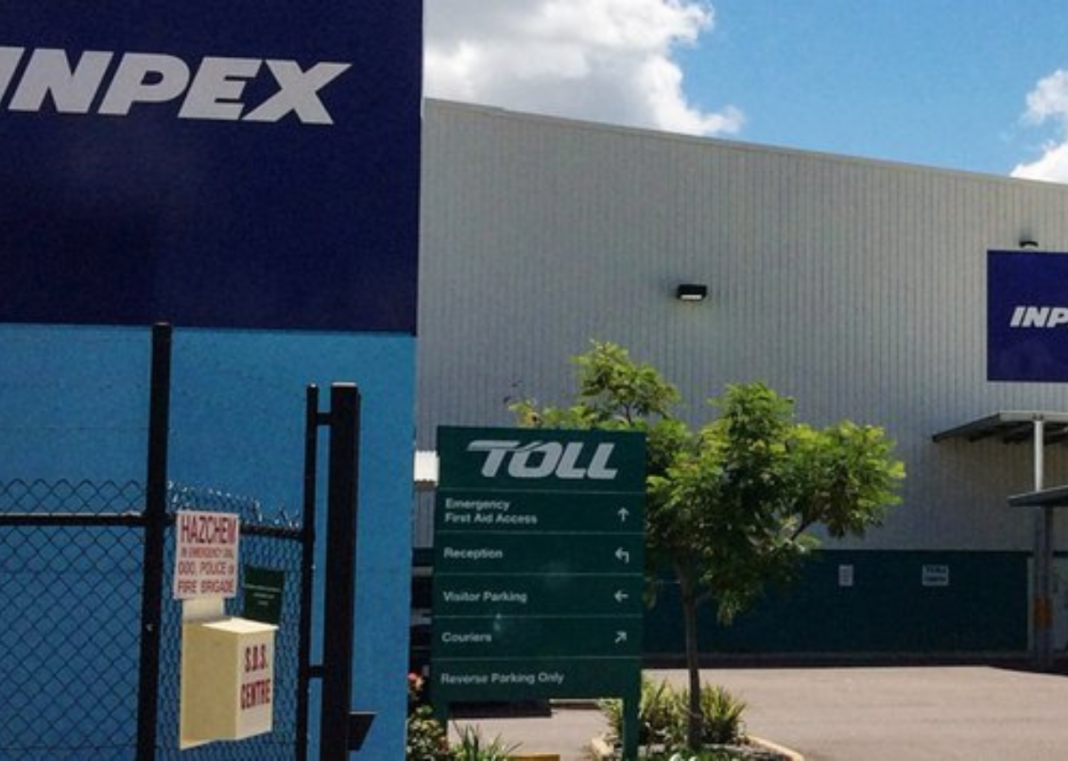
Workers at Inpex’s Ichthys liquefied natural gas facilities in northern Australia escalated their industrial action on Monday, June 8, doubling daily work stoppages from four hours to eight after the Japanese operator rejected terms agreed during Fair Work Commission-facilitated talks over the weekend — a development that threatens to compound an already acute global LNG supply shortage worsened by the Iran war. The Offshore Alliance said that strike action at the Ichthys facilities, which began the previous week over a pay dispute, would be escalated after talks with Inpex failed to progress. Gulf Digital News
“Last night, members backed work stoppages that will grow to eight hours per day, and we will implement additional work bans on Thursday,” the Offshore Alliance said in a statement. Gulf Digital News
According to the union, Inpex, Japan’s largest oil and gas producer, rejected terms agreed during talks facilitated by the Fair Work Commission that took place on Saturday. The union said that rejection prompted the membership vote to double the length of daily stoppages. Gulf Digital News
The Offshore Alliance — a coalition of the Maritime Union of Australia, the Australian Workers’ Union, and the Electrical Trades Union — has been in dispute with Inpex for more than a year over pay and conditions. Months of talks failed to make any progress, according to the union, which served strike notice in May after 326 of 346 union workers voted for industrial action in April. The Australian Workers’ Union Assistant National Secretary Chris Donovan said: “After six months of negotiations, INPEX has failed to agree to even the most basic claims put forward by its workforce.” Business Standardbusiness-standard
The strike’s market impact was visible within days of its start. The Pacific Breeze LNG tanker faced a 24-hour delay after a two-hour work stoppage caused it to miss its departure window, the Offshore Alliance said. The tanker had been expected to load on May 31 and arrive at the Yung An port in Taiwan on June 9 for Taiwanese state energy firm CPC. Its AIS signal showed it departed early on June 3 and is now expected to arrive in Taiwan on June 12. The union asserted that even a 24-hour delay would cost upwards of A$200,000, equivalent to US$143,000. ThePrintbusiness-standard
Inpex did not respond to requests for comment by publication time on Monday.
Regional and Global Impact
The timing of the escalation could not be more damaging for energy-importing economies in Asia. Ichthys accounts for about 10 percent of LNG supply from Australia and is currently the world’s second-largest LNG exporter after disruptions at facilities in Qatar due to the war in Iran. LNG prices in Asia are 75 percent higher than they were before the US-Israeli war with Iran began at the end of February. Any additional disruption, such as a strike in the world’s second-largest LNG exporter, would add to the price pain for energy importers in the world’s largest LNG market. Gulf Digital NewsThe Japan Times
Japan is Australia’s largest LNG customer and is already facing a possible supply crunch due to the Iran war and rising air-conditioning demand as Japan heads into summer. In 2025, Ichthys LNG accounted for 8 percent of both Japan’s and Taiwan’s LNG import volumes, delivered via long-term sales and purchase agreements. A sustained escalation from four to eight hours of daily stoppages — with additional work bans flagged for Thursday — brings the strike closer to the threshold at which production volumes, rather than just loading schedules, begin to be affected. Business StandardNew Kerala
The Ichthys project is a joint venture between Inpex, TotalEnergies, and the Australian subsidiaries of CPC Corporation Taiwan, Osaka Gas, Kansai Electric Power, JERA, and Toho Gas. All of those partners face delivery risk from a prolonged stoppage, as do the Japanese power and gas utilities that hold long-term supply contracts for Ichthys output.
Background
The Offshore Alliance filed for a protected action ballot order at the Fair Work Commission in April 2026 after more than six months of negotiations, saying Inpex had failed to deliver meaningful progress on pay, job security, and conditions for approximately 400 workers across the company’s Ichthys LNG operations, including facilities in Darwin and offshore in the Timor Sea. The strike vote returned 326 votes in favour out of 346 cast — a 94 percent approval rate. Lawyers for the Offshore Alliance served strike notice on May 18 after six days of negotiations failed to break the deadlock, with intent to strike from May 27 to June 10. The action began in limited form on June 3 with two-hour morning and evening stoppages before escalating to four hours per shift last week. Monday’s membership vote extended that to eight hours per day with additional bans to be imposed from Thursday. The Fair Work Commission has been facilitating mediation throughout the dispute but has not yet sought to terminate the protected action. business-standardBusiness Standard
What Happens Next
The Offshore Alliance confirmed that additional work bans beyond the daily stoppages will take effect on Thursday, June 11, adding a further layer of operational disruption on top of the eight-hour daily stoppages already in place. Inpex has not publicly stated whether it will return to Fair Work Commission-facilitated talks or pursue other avenues to end the action. The protected industrial action window notified to the Fair Work Commission runs through June 10, meaning the legal basis for the current action may require renewal or extension if the dispute is not resolved imminently. Japanese utilities and Taiwanese state energy firm CPC, which have vessels scheduled at Ichthys, are monitoring the situation, according to Reuters. No Australian government minister had issued a formal statement on the dispute as of Monday evening.