
Marcos Calls Senate Into “Disarray” as Boycott Kills Two Days of Sessions Before Adjournment
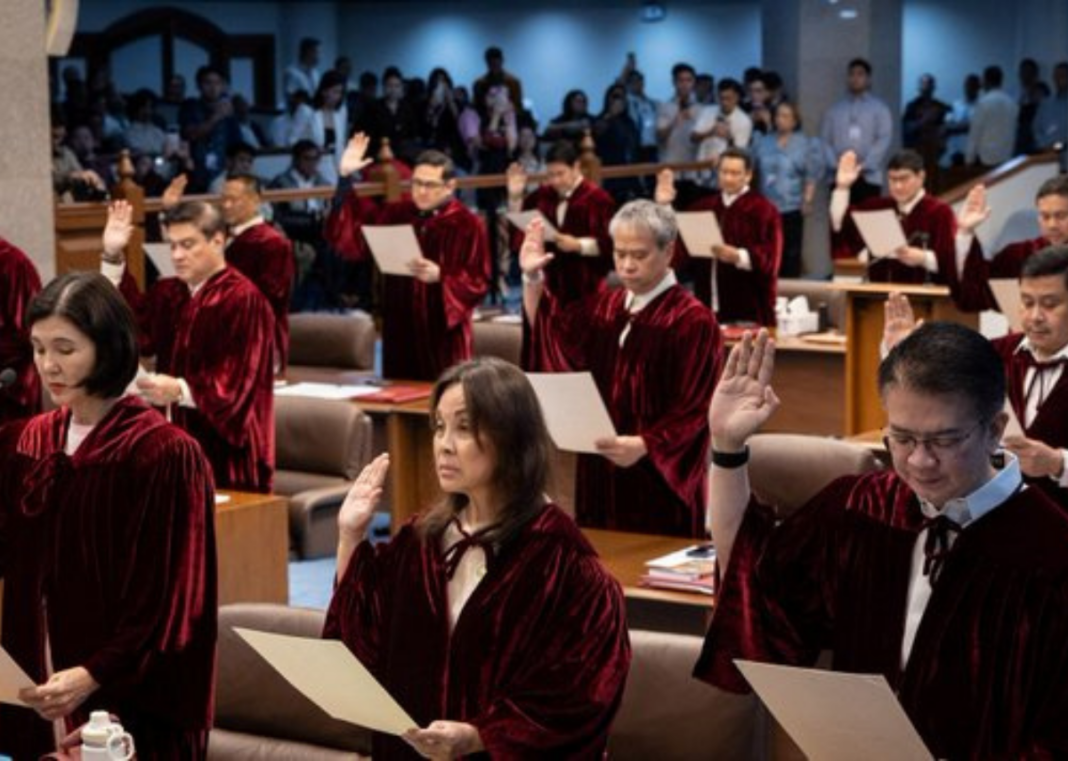
Philippine President Ferdinand Marcos Jr. publicly rebuked his country’s Senate on Wednesday, June 3, demanding lawmakers return to work after the chamber’s majority bloc boycotted plenary sessions for two consecutive days in Manila. The Senate has been paralysed by a widening divide between the majority and minority blocs, after the minority called on Senate President Alan Peter Cayetano to resign. The walkout leaves Congress just three session days from its scheduled sine die adjournment on June 6, with multiple priority bills still unresolved. MarketScreener
“I’m afraid whatever all these events that we have been witnessing has thrown the Senate and its leadership, the whole Senate, into disarray. It has discredited the leadership. It stopped the essential business of legislation in government,” Marcos told reporters during a media interview in Malate, Manila. https://eutoday.net
Two Senators Out, Majority Bloc Collapses to 11
The crisis traces directly to the detention and disappearance of two majority senators. Senator Jose “Jinggoy” Estrada surrendered to the Criminal Investigation and Detection Group of the Philippine National Police on June 1 after the anti-graft court Sandiganbayan issued an arrest warrant against him for plunder, this time over alleged 573 million pesos worth of kickbacks from flood control projects. Plunder is a non-bailable offence under Philippine law. The Manila Times
Senator Ronald “Bato” dela Rosa, meanwhile, remains in hiding after the International Criminal Court issued an arrest warrant against him for alleged crimes against humanity tied to former President Rodrigo Duterte’s drug war. With both dela Rosa and Estrada effectively absent from the Senate floor, the majority’s working advantage disappears, leaving the chamber evenly split at 11-11. RAPPLER
The majority bloc said their boycott of sessions was intended to safeguard ongoing investigations — particularly a probe into alleged anomalies in government flood control projects — amid concerns over possible attempts to seize control of key committees handling sensitive inquiries. freemalaysiatoday
On May 11, dela Rosa had emerged from six months of hiding to cast the deciding vote in a Senate leadership coup that installed Cayetano as Senate president. After officials from the National Bureau of Investigation attempted to serve the ICC warrant on him, he fled back into hiding. RAPPLER
Cayetano Under Fire
The 11-member minority bloc, calling itself “Solid Bloc 11,” issued a joint statement on June 2 calling on Cayetano to resign, accusing him of dereliction of duty. “What happened today was a clear abandonment of responsibility, a dereliction of duty, and a blatant disregard of the rules that govern this institution, because the Senate cannot be made to stop working simply because its presiding officer refuses to lead,” the bloc said, in a statement read by Senator Erwin Tulfo. BusinessWorld
Cayetano defended his position without yielding ground. In a video posted on Facebook, he said the Senate had informed the president’s office it was ready to take up priority bills, but argued the executive branch was not prepared. On calls for his resignation, he said if the minority bloc secured more support, they could vote him out. Bloomberg
The president gave no ground to that argument. “We cannot do that if the legislature decides to stay at home and have a vacation. That is anathema to everything that governance is about,” Marcos said. “I never imagined in my entire life — my entire political life — that such a thing could happen, especially to the august — it’s no longer august now — body of the upper house, the Senate of the Philippines.” Global Banking and Finance
Bills Stalled, Economy Taking a Hit
Marcos framed the deadlock as a direct obstacle to the government’s ability to respond to a national energy crisis. He told reporters the government was considering submitting a supplemental budget to combat rising energy prices — legislation that requires Senate action. MarketScreener
“It’s a very, very sad situation to have to watch. The country needs assistance. People need assistance. How can we provide that assistance without the proper legislation to back it up?” Marcos said. MarketScreener
With only a few session days remaining before adjournment, the Senate’s inability to convene has left several measures pending, including bills intended to help hospital patients, farmers, and fisherfolk. The Financial Executives Institute of the Philippines said in a statement cited by Reuters that programs were stalling, investments were being delayed, communities were going underserved, and families were facing rising costs as a result of what it described as “institutional paralysis.” euronews
Marcos said the executive branch was “examining all of their options” on what it can do with the Senate impasse, adding: “The Executive and Judiciary are working — why did the legislature decide to stop working?” Brussels Signal
Background
The flood control corruption scandal erupted last year after Marcos launched an investigation into the alleged diversion of infrastructure funds, and subsequently became the catalyst for a series of arrests and political realignments across the Philippine Senate. Estrada claimed the plunder charges against him were politically motivated, alleging that unnamed individuals had attempted to use the case to turn him against the Senate majority. He stated he had rejected those overtures before surrendering to police. Under Article VI, Section 16(5) of the 1987 Philippine Constitution, neither chamber of Congress may adjourn for more than three days while Congress is in session without the other chamber’s agreement. The crisis also unfolds against the backdrop of ongoing impeachment proceedings against Vice President Sara Duterte, with senators serving as impeachment court judges — adding another layer of political tension to the chamber. RAPPLER + 2
What Happens Next
The first regular session of the 20th Congress is scheduled to adjourn sine die on June 6, with the second session set to open on July 27, coinciding with President Marcos’ fifth State of the Nation Address. Marcos told reporters the executive was examining all available options, though he did not specify what those are. Senator Panfilo “Ping” Lacson appealed to majority senators’ “sense of duty and responsibility,” and the minority bloc had urged members of the majority willing to work to join them in the plenary session on Wednesday, June 3. Rappler reported that Senator Lacson said two more members of the majority may be preparing to switch sides, a development that would tilt the chamber’s balance if confirmed. Global Banking and Finance + 2