
Oil and LNG Cargoes Move Through Hormuz as Energy Trade Shows Limited Recovery
Two tankers carrying oil products have successfully exited the Strait of Hormuz, while a liquefied natural gas (LNG) carrier loaded cargo in the United Arab Emirates, according to shipping data reviewed by Reuters on Tuesday, June 2. The movements mark some of the latest signs that limited energy exports are resuming through one of the world’s most important maritime chokepoints after months of severe disruption.
Reuters reported that the Aframax tanker Cy Victorious departed the Strait of Hormuz on May 30 carrying more than 508,000 barrels of high-sulphur fuel oil loaded in Iraq. Ship-tracking data from Kpler and LSEG showed the vessel was heading toward Malaysia after successfully transiting the waterway.
A second vessel, the Long-Range 2 tanker Sti Elysees, exited the strait on May 29. Reuters reported that the tanker had loaded refined petroleum products in Kuwait before departing the Gulf. Its final destination was not immediately known.
At the same time, LNG carrier Marigold, which is managed by Abu Dhabi National Oil Company (ADNOC), loaded cargo at the UAE’s Das Island terminal between May 24 and May 25. Reuters said the vessel subsequently left the loading facility, adding to evidence that gas exports are also gradually resuming despite continuing security concerns in the region.
The shipments come amid the continuing fallout from the conflict involving Iran, Israel and the United States that began on February 28. According to Reuters, the confrontation sharply reduced commercial traffic through the Strait of Hormuz, a route that normally handles a significant share of global oil and gas exports.
Shipping companies and energy producers have adopted unusual operating practices to reduce risks during transit. Reuters previously reported that several tankers carrying crude oil and LNG crossed Hormuz with their automatic identification system (AIS) transponders switched off, making their movements difficult to track publicly. The tactic has been used by vessels linked to ADNOC and other operators seeking to avoid potential security threats.
According to Reuters, Marigold was the last of four ADNOC-managed steam-powered LNG carriers that had used similar navigation methods during recent voyages. Industry analysts told Reuters that vessels have increasingly disconnected tracking systems or altered transmission patterns while operating near the Gulf.
Additional tanker movements suggest some shipping companies are becoming more willing to test the route. Reuters reported last week that crude oil tankers carrying approximately 4 million barrels of oil to India and China successfully exited the strait, while other LNG carriers also completed voyages toward Asian markets.
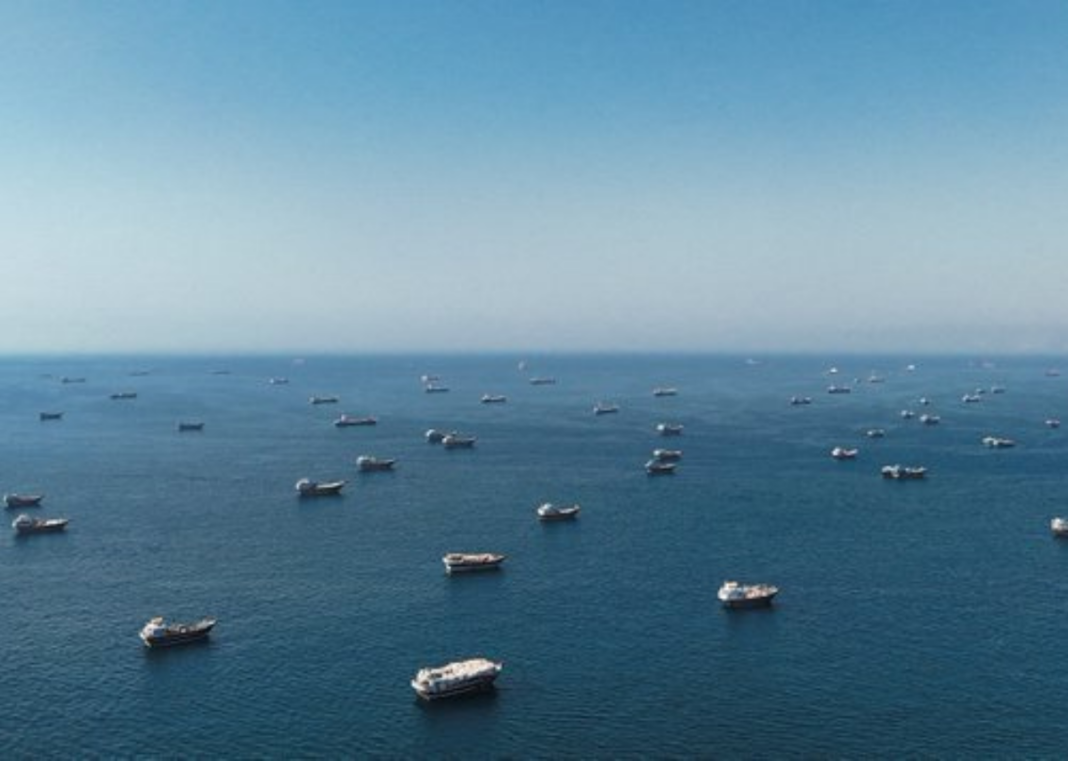
However, overall traffic remains far below normal levels. Reuters reported that before the conflict, between 125 and 140 vessels transited the Strait of Hormuz daily. Recent figures show only a fraction of that volume moving through the corridor, with many ships still stranded in Gulf waters and thousands of seafarers remaining aboard vessels awaiting safer conditions.
Energy companies continue to explore alternatives to reduce dependence on the strait. Reuters reported on June 2 that ADNOC has offered additional crude cargoes through spot tenders while maintaining exports through a combination of direct sailings and ship-to-ship transfers. The company is also pursuing infrastructure projects designed to bypass Hormuz and maintain export capacity during future disruptions.
Regional and Global Impact
The Strait of Hormuz remains one of the world’s most critical energy routes. According to the International Energy Agency, nearly 20 million barrels of oil and petroleum products moved through the waterway in 2025, accounting for roughly a quarter of global seaborne oil trade. The route is also vital for LNG exports from Qatar and the UAE, which together account for almost one-fifth of global LNG trade.
Reuters reported that disruptions since February have reduced crude flows through the strait from more than 13 million barrels per day to around 1.2 million barrels per day. Although recent tanker departures indicate some improvement, analysts say the volumes remain insufficient to restore pre-conflict supply levels.
The reduced availability of Middle Eastern exports has affected energy markets across Asia. Reuters reported that Asian refiners have increased purchases of U.S. crude oil, but replacement supplies have not fully compensated for the loss of Gulf exports.
Goldman Sachs said in a note cited by Reuters that disruptions around Hormuz are likely to keep refined fuel margins elevated through the remainder of 2026 because product markets have tightened more sharply than crude oil markets.
Background
The Strait of Hormuz connects the Persian Gulf with the Gulf of Oman and the Arabian Sea. It serves as the primary export route for oil produced by Saudi Arabia, Iraq, Kuwait, Qatar, the UAE and other Gulf states.
Commercial shipping activity through the strait fell sharply after the outbreak of conflict involving Iran, Israel and the United States on February 28. Reuters reported that many shipowners suspended operations because of security risks, insurance concerns and threats to commercial vessels.
Since May, Reuters has documented a gradual increase in tanker departures carrying crude oil, refined products and LNG cargoes to Asian destinations, although traffic remains well below historical averages.
What Happens Next
Shipping companies, energy traders and governments will continue monitoring security conditions around the Strait of Hormuz. Reuters reported that several empty LNG carriers are positioned near the eastern entrance of the waterway, potentially awaiting opportunities to load cargoes if transit conditions improve further.
Energy exporters in the Gulf are also advancing alternative export routes and pipeline projects to reduce reliance on the strait. ADNOC’s proposed fuel pipeline network and expanded crude export infrastructure remain under development, according to Reuters.
Market participants are expected to watch tanker traffic closely in the coming weeks as indicators of whether regional energy exports can return to more normal levels. Reuters reported that the pace of vessel movements remains one of the clearest measures of confidence in the security of the route.