
China’s Foreign Minister Urges Swift Reopening of Strait of Hormuz as Tankers Begin Exiting Gulf
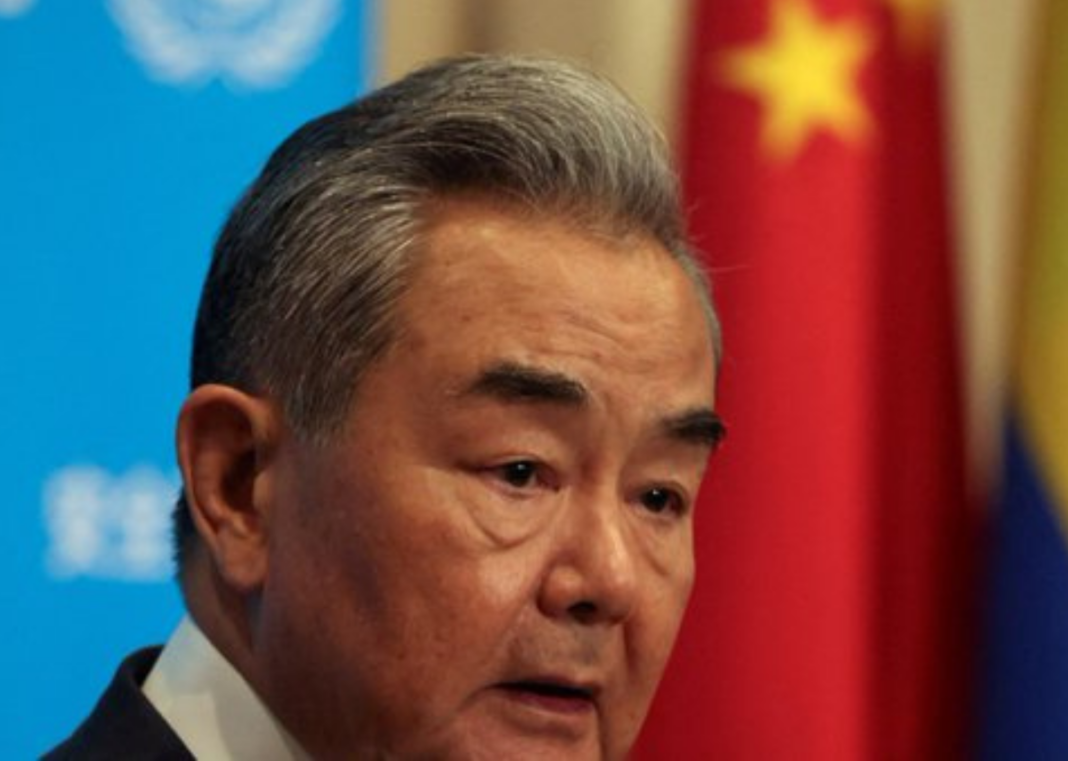
Chinese Foreign Minister Wang Yi called on Wednesday, June 24, for the early restoration of normal navigation through the Strait of Hormuz, saying the move was needed to ensure the stability of global industrial and supply chains, according to a report by China’s state media outlet Xinhua. Wang made the remarks during a phone conversation with Pakistan’s Deputy Prime Minister and Foreign Minister Mohammad Ishaq Dar. Agenzia Nova
Wang said China is willing to work with all parties to support negotiations advancing without interference, according to the Xinhua report. An interim US-Iran deal has begun freeing up crude oil supply held in the Gulf despite ongoing tensions between the two countries. Agenzia NovaAgenzia Nova
Wang outlined three priorities for the next stage of regional diplomacy: consolidating a comprehensive ceasefire, restoring normal navigation through the Strait of Hormuz, and building a new regional security architecture among Middle Eastern countries, Xinhua said. Agenzia Nova
Separately on Wednesday, Reuters reported that three stranded tankers carrying a combined 5 million barrels of crude oil were exiting the Strait of Hormuz, with two of the vessels heading to Asia, according to shipping data. Agenzia Nova
A Continuation of Beijing’s Diplomatic Push
Wednesday’s comments extend a position Wang has pressed publicly for weeks. In talks with his visiting Iranian counterpart Abbas Araghchi in Beijing in early May — their first in-person meeting since the US-Israel war on Iran began on February 28 — Wang said: “Regarding the strait issue, the international community shares a common concern over restoring normal safe passage through the strait.” “China hopes that the parties concerned will respond promptly to the strong calls of the international community,” he added, according to a statement issued by China’s Ministry of Foreign Affairs. mofamofa
During that same visit, Wang and Araghchi voiced support for a new Gulf security framework, with the Chinese foreign minister again calling for a swift reopening of the strait. That meeting took place roughly a week before US President Donald Trump’s delayed trip to Beijing to meet President Xi Jinping, with cabinet officials in Washington having urged Beijing in the lead-up to that summit to increase pressure on Tehran to open the Strait of Hormuz. Prime Minister’s Office of Japanmofa
Why the Strait Matters
The Strait of Hormuz, the narrow waterway separating Iran from the Arabian Peninsula, carries roughly a fifth of global oil trade and has been at the centre of the economic fallout from the February 2026 conflict between Iran and the US-Israel coalition. China is the world’s largest importer of crude oil and one of Iran’s most significant remaining oil customers, giving Beijing a direct commercial stake in any disruption to flows through the strait that is separate from, but reinforces, the broader diplomatic interest China has expressed in regional stability.
China’s outreach to Pakistan on the issue is consistent with Islamabad’s role as one of the key intermediaries in the broader ceasefire process between the United States and Iran, alongside Qatar and Oman. Pakistan has positioned itself as a mediator in talks aimed at extending the fragile truce reached after the February conflict, and Wang’s call to Dar suggests Beijing is coordinating its diplomatic messaging with the mediating states rather than acting unilaterally.
Regional and Global Impact
The movement of stranded tankers out of the strait — with two of the three vessels reported heading toward Asia — offers an early, concrete signal that the interim US-Iran arrangement is beginning to translate into actual changes in global oil logistics, even as the broader memorandum of understanding between Washington and Tehran remains unsigned and contested on several major points, including the future administration of the strait itself and the handling of Iran’s enriched uranium stockpile.
For China, restoring normal navigation through Hormuz serves both an economic and a diplomatic purpose: it reduces the cost and risk premium attached to crude oil imports that have been elevated since the closure of the strait, while also allowing Beijing to position itself publicly as a stabilising actor in a regional crisis where it has cultivated relationships with both Iran and Gulf Arab states. China’s three-part framework — ceasefire consolidation, navigation restoration, and a new regional security architecture — signals an ambition to play a role in shaping the post-conflict security order in the Gulf, an area that has traditionally been dominated by US military and diplomatic influence.
Background
The United States and Israel launched military strikes against Iran on February 28, 2026, targeting nuclear and ballistic missile infrastructure. Iran closed the Strait of Hormuz to commercial shipping in response, disrupting a waterway through which a significant share of global oil trade normally passes and triggering sustained volatility in energy markets. A temporary ceasefire took hold in early April 2026 following mediation by Qatar and Pakistan, and the United States and Iran have since been negotiating a memorandum of understanding intended to extend that truce and address Iran’s nuclear programme, sanctions relief, and the future status of the strait. China has positioned itself throughout the crisis as a vocal advocate for de-escalation and the restoration of normal shipping, while continuing to import Iranian oil despite US sanctions targeting that trade.
What Happens Next
The movement of stranded tankers out of the Strait of Hormuz is expected to continue if the interim US-Iran arrangement holds, with shipping data likely to be closely watched by energy traders and analysts in the coming days. Wang Yi’s three stated priorities — consolidating the ceasefire, restoring normal navigation, and building a new regional security framework — are expected to remain the basis of China’s diplomatic engagement with both Iranian and mediating governments, including Pakistan, as negotiations over the broader US-Iran memorandum of understanding continue.