
Zimbabwe’s Senate Approves Bill Extending President Mnangagwa’s Rule to 2030
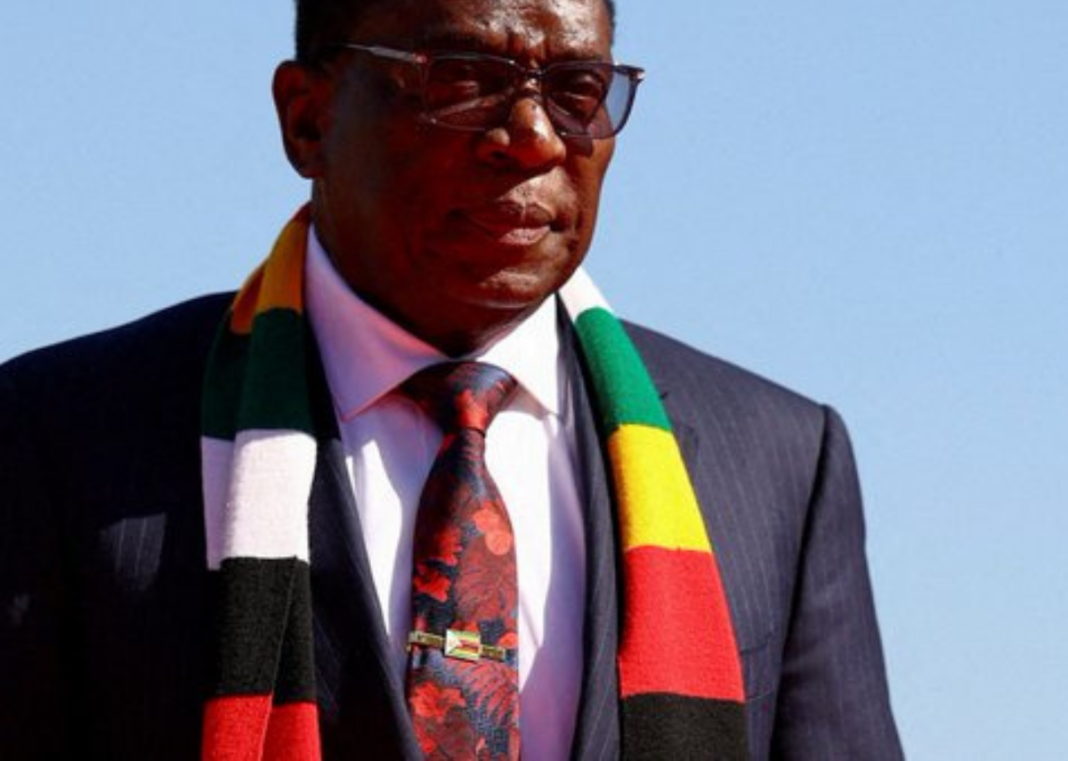
Zimbabwe’s upper house of parliament approved a bill on Wednesday, June 24, to extend presidential terms from five to seven years, a change that will allow current President Emmerson Mnangagwa to remain in office until 2030. Seventy-five senators voted in favour of the legislation while four voted against it, comfortably clearing the threshold needed for a two-thirds majority. ABC NewsABC News
Senate President Mabel Chinomona announced the result, completing the legislative process after the proposal earlier secured the support of the National Assembly. The National Assembly had passed the measure on June 18, with 216 lawmakers voting in favour and 42 against. The bill will become law once Mnangagwa signs it. The Korea Herald + 2
What the Amendment Changes
Beyond extending presidential terms, the bill includes a provision for the president to be elected by parliament rather than through a direct popular vote. That change would end the system of direct presidential elections that Zimbabwe introduced in 1987, seven years after gaining independence from the United Kingdom. ABC NewsThe Korea Herald
Other proposed changes folded into the broader legislative package include allowing the president to appoint 10 additional senators, expanding the Senate to 90 seats. Justice Minister Ziyambi Ziyambi confirmed the bill would be sent to the speaker of parliament and published in an official gazette before lawmakers formally considered it, a process that culminated in Wednesday’s Senate vote. GMA News OnlineGMA News Online
Critics Call It a “Constitutional Coup”
The amendment has become one of the most contentious political issues in Zimbabwe in recent years. Critics have described the proposed changes as a “constitutional coup,” arguing that they would significantly alter Zimbabwe’s democratic framework. Critics say the bill is a ruse for Mnangagwa to stay in power for longer, though its backers say it will strengthen accountability and foster political stability. The Korea HeraldABC News
Opposition politician David Coltart argued earlier in the process that the proposed changes required a national referendum rather than a simple parliamentary vote. “Any amendment which has the ‘effect’ of extending an incumbent’s tenure should be subjected to a referendum,” he said, according to Al Jazeera. He added: “They know that if that happens, they will fail, so they will do all in their power to prevent a referendum from happening.”
Campaigners who have opposed the amendments have reported cases of intimidation, arrests, and violence allegedly carried out by suspected state agents. In March, Human Rights Watch said Zimbabwean authorities were using violence and intimidation against those opposing the amendments. Attempts to challenge the amendment process through the courts have been unsuccessful. Some activists and veterans of the country’s liberation war launched court challenges against the plan, but those were struck off the court roll this week for technical reasons. The Korea Herald + 3
A Two-Year Build-Up
Evidence that Mnangagwa, 83, wanted to stay in power beyond the end of his second term in 2028 emerged about two years ago, when his supporters began chanting slogans at ZANU-PF rallies that he needed more time to complete his agenda. The ruling party resolved last year to change the constitution to prolong presidential terms, and the plan received cabinet backing in February 2026. ZANU-PF has governed Zimbabwe since the country’s independence from the United Kingdom in 1980. It holds a two-thirds majority in the lower house of parliament and overwhelmingly controls the upper house through traditional leaders and other proxies who generally vote with it, allowing it to change the constitution without relying on opposition support. ABC News + 2
Regional and Global Impact
Zimbabwe’s opposition contends that the changes are designed to strengthen ZANU-PF’s hold on power in the mineral-rich southern African nation. The constitutional amendment places Zimbabwe within a broader continental pattern of long-serving leaders altering legal frameworks to remain in office well beyond initially mandated term limits. Other African countries whose leaders have changed the law to stay in power for longer include Cameroon and Uganda, entrenching a trend on the continent in which some of the world’s oldest leaders continue governing some of its youngest populations. GMA News Onlinenewsonair
The development is likely to draw renewed scrutiny from regional bodies, including the Southern African Development Community, and from international rights organisations that have already documented intimidation tactics used against opponents of the amendment process. Zimbabwe, a major producer of platinum, lithium, gold, and diamonds, remains a closely watched economy within the region, and questions about the durability of its political institutions carry implications for foreign investment decisions tied to its mineral sector. The Korea Herald
Background
Mnangagwa came to power in 2017 after a military-backed coup ousted longtime leader Robert Mugabe, who had ruled Zimbabwe since independence in 1980 and was 93 years old at the time of his removal after 37 years in office. Mnangagwa, nicknamed “the crocodile” — an animal portrayed in Zimbabwean lore as stealthy and ruthless — had served as one of Mugabe’s closest lieutenants in senior government positions, including vice president, until the two fell out in the months preceding the coup. Mnangagwa was elected in 2018 and re-elected in 2023, and has been accused by critics of allowing rampant corruption and suppressing human rights, while ordinary Zimbabweans continue to endure economic hardship despite a growing national economy. Without the amendment, Mnangagwa would have been required to step down in 2028 after completing two five-year terms under the existing constitutional framework. GMA News Online + 3
What Happens Next
Mnangagwa is expected to sign the bill into law following its approval by both chambers of parliament. Once signed, the amendment will take effect, extending presidential and parliamentary terms from five to seven years and transferring the power to select the president from direct popular vote to a parliamentary process. Opposition figures and civil society groups are expected to continue pressing for a national referendum on the changes, though legal challenges to date have been unsuccessful and ZANU-PF’s parliamentary majority leaves little procedural avenue for blocking the law’s implementation. yahoo