
Putin Says Iran-US Agreement Is “Possible” Despite Ongoing Conflict
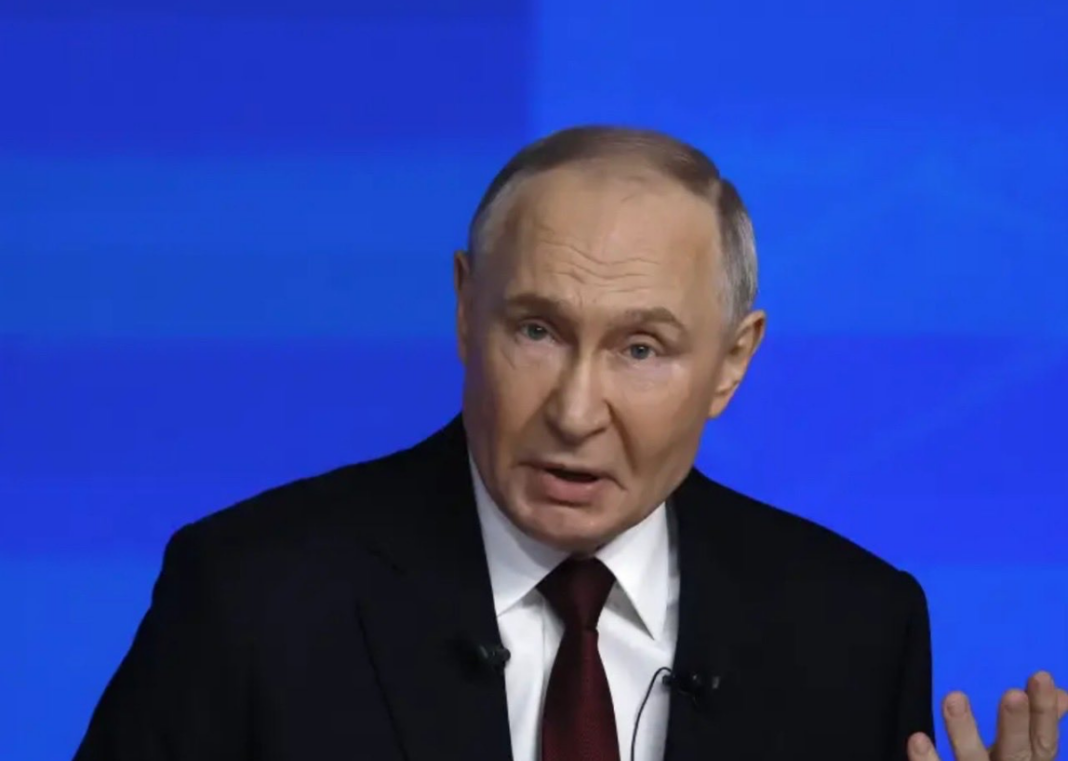
Russian President Vladimir Putin said on Sunday that a diplomatic agreement between Iran and the United States remains achievable, even as the two countries continue exchanging fire. Vladimir Putin thinks that Iran and the United States can still reach an agreement. Speaking at a press conference, Putin stated that reaching a deal between Tehran and Washington is “possible,” despite what he described as a high-intensity conflict between the two sides. royanews
Putin described the standoff as a “very difficult” situation that has placed Russia in a complicated position, and expressed hope for a swift conclusion to the hostilities. Putin said this situation is very hard. It has put Russia in a spot. He hopes it will end soon. The remarks came on the same day Iranian President Masoud Pezeshkian addressed his own government’s recovery efforts, signalling that both sides of the conflict are managing parallel diplomatic and domestic pressures. royanews
Putin warned that if the confrontation continues to escalate, “all parties will only lose,” adding that he believes no global power truly has an interest in the indefinite continuation of the war. royanews
The statement positions Moscow as a would-be mediator in a conflict that has drawn in major powers and reshaped the security landscape of the Middle East. Russia has been navigating a delicate balance — maintaining its alliance with Iran while seeking to avoid deeper entrenchment in a war it did not initiate.
Putin’s call for restraint runs alongside a concrete proposal Moscow has been advancing for months. Putin has proposed that both Iran and the United States transfer enriched uranium to Russian custody as part of an effort to resolve long-running tensions over Tehran’s nuclear program. The proposal, first raised in June 2025 and reiterated in subsequent discussions through early 2026, is being presented by Moscow as a potential neutral arrangement to bridge deep disagreements between Washington and Tehran. royanews
Kremlin spokesman Dmitry Peskov said in April 2026 that the idea remains “on the table,” signalling continued Russian interest in acting as a storage intermediary. royanews
Washington has not moved toward accepting it. The Trump administration has insisted that any arrangement must place Iran’s nuclear material under direct US custody rather than through a third country. Officials argue that outsourcing storage to Russia would not provide sufficient guarantees or verification mechanisms. royanews
Iran has so far shown no willingness to transfer its enriched uranium directly to US control, while also resisting alternative custody arrangements involving third-party intermediaries. That leaves Moscow promoting a compromise that neither belligerent has embraced. royanews
Iran’s position on negotiations is defiant in tone but does not rule out diplomacy outright. Iranian President Masoud Pezeshkian, speaking during a meeting of the working group dedicated to repairing damages from the recent conflict, asserted that the Iranian nation will “never bow down” to external pressure. royanews
Addressing the possibility of diplomatic engagement, Pezeshkian clarified that “if there is talk of dialogue or negotiation, its meaning is not surrender or retreat; rather, the goal is to fulfill the rights of the Iranian people and provide a powerful defense of national interests.” royanews
That framing — negotiation as assertion rather than concession — reflects Iran’s need to manage domestic opinion while keeping diplomatic channels open. The Iranian government has prioritized the psychological security and peace of mind of families affected by what it has termed the “Third Imposed War,” as the country enters a recovery phase following months of high-intensity conflict. royanews
Regional and Global Impact
Russia’s diplomatic push carries direct consequences for regional stability. Russia argues that it previously played a central role in managing Iran’s nuclear material under the 2015 nuclear agreement, formally known as the Joint Comprehensive Plan of Action, which limited Iran’s nuclear activities in exchange for sanctions relief. Moscow says that precedent demonstrates it has both the infrastructure and experience to oversee enriched uranium storage and verification processes. royanews
Under current conditions, Iran is reported to possess about 450 kilograms of uranium enriched to 60 percent purity, a level considered close to weapons-grade if further refined, according to nuclear monitoring assessments. The scale of Iran’s nuclear stockpile means that any agreement — or failure to reach one — carries consequences far beyond the bilateral conflict. royanews
For Washington, allowing Russia to manage Iran’s nuclear material would grant Moscow a strategic foothold in any future verification regime, a prospect the Trump administration has rejected. Washington’s position effectively rules out Moscow as a mediator in controlling Iran’s enriched uranium stockpile. royanews
Background
The dispute reflects broader tensions in efforts to revive or replace the 2015 agreement, which collapsed after the US withdrawal in 2018 and subsequent escalation in regional nuclear activity. Since that withdrawal, Iran steadily advanced its enrichment capacity in successive steps, and diplomatic efforts to restore the deal failed across multiple administrations. The current military conflict between Iran and the United States represents the most acute phase of that deterioration. Russia, which signed onto the original 2015 deal alongside China, the UK, France, and Germany, has maintained economic and military ties with Iran throughout the intervening years. The Kremlin’s uranium storage proposal is the most formal diplomatic initiative Moscow has put forward since the conflict began. royanews
What Happens Next
Russia’s uranium storage proposal remains formally on the table, according to Kremlin spokesman Dmitry Peskov, as of April 2026. Russias uranium storage proposal is still being considered. The US has not signalled any change to its position requiring direct custody of Iranian nuclear material. Iran’s government is proceeding with domestic reconstruction efforts, with Pezeshkian announcing a collaborative initiative between the state and private sector to accelerate recovery and provide economic relief to households affected by the fighting. No formal negotiating framework between Iran and the United States has been publicly confirmed. Putin’s statement on Sunday did not include a proposed mechanism or timeline for the diplomatic process he described as possible.