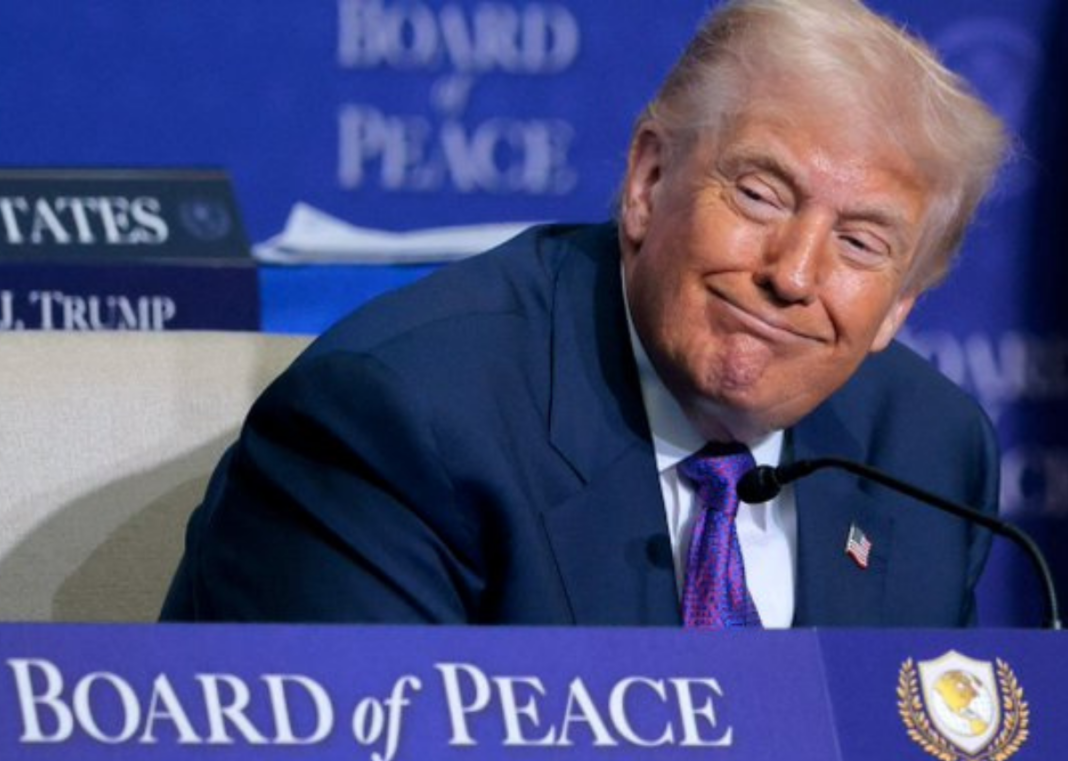

In April 2026, a new twist in the race to rebuild Gaza caught the world’s eye. People tied to Donald Trump’s “Board of Peace”—yes, that’s what they’re calling it—have started talking with DP World, a logistics giant from the United Arab Emirates. The big topic at the table: how to work together on the huge job of putting Gaza back together after the latest wave of destruction.
Let’s break down what’s going on, who’s involved, why it matters, and what stands in the way.
Gaza’s Huge Need for Reconstruction
Gaza is a place that has seen a lot of fighting and it is very clear what happens when there is war. There are homes that are completely destroyed roads that are badly damaged hospitals and schools that are in ruins and basic services like water and electricity are not working. The time there was fighting it made things even worse. A lot of people are waiting for someone to help them and it will cost a lot of money to fix everything we are talking about tens of billions of dollars. It is not, about building new homes and buildings. When people talk about rebuilding Gaza they also have to think about the politics and the diplomacy that comes with it like who gets to decide what happens with every truck that brings cement to Gaza.
Critical areas?
Pretty much everything:
- Homes and neighborhoods
- Roads, ports, and supply routes
- Power, water, and sewage systems
- Hospitals, clinics, schools
The “Board of Peace” Initiative
So, what’s this Board of Peace? From what’s been shared, it’s part of Trump’s push to take on the Gaza crisis. Details are fuzzy. Still, the general aim seems to be pulling reconstruction efforts together, getting people talking, pushing for stability, and overseeing recovery projects. Basically, it’s about uniting political know-how, cash, and logistical muscle.
Why DP World Matters
DP World isn’t just any company. They run ports and supply chains all over the globe. Their resume includes:
- Building and running ports
- Organizing cargo and logistics systems
- Planning infrastructure
- Streamlining digital supply chains
Bringing in DP World could reshape Gaza’s future in a big way: reopening port trade, getting much-needed supplies in quickly, and laying the groundwork for real economic progress. Their experience suggests this isn’t just about patching things up, but looking at the long game.
What’s Up with the Talks?
Right now, things are early and informal. The Board of Peace and DP World are talking, not signing. They’re trying to answer a few big questions:
- Can they actually pull off these massive projects?
- What would the private sector actually do?
- How will they work with governments and aid groups?
- What about security and practical logistics?
Nothing’s set in stone. Still, just getting these people talking feels like a step forward.
Why Logistics Matter So Much
If you want to rebuild, you need to move stuff—materials, people, aid, you name it. Without solid logistics, even the best plans crumble. DP World’s global know-how means faster aid, smoother trade, and a shot at more openness and good governance in the process. For Gaza, that’s not a small thing.
Who Else Has a Stake?
- The UAE’s Role
DP World’s involvement highlights how Gulf states—especially the UAE—are stepping up as both check-writers and dealmakers in the region. - The U.S.
Trump’s initiative shows the U.S. still wants a hand in shaping what happens next, mixing old-school diplomacy with new economic plans. - Everyone Working Together
This effort needs teamwork: donors, investors, aid groups, and private companies. Expect to see creative new partnership models if things move ahead.
Big Challenges Ahead
Of course, it’s not all blueprints and handshakes.
- Politics
Gaza’s political landscape is messy. Too many players, too many agendas. Without basic agreement on who’s in charge and who keeps the peace, rebuilding will stall. - Security
The threat of violence still shadows every effort. It’s risky work, and nobody forgets it. - Money
Tens of billions are needed, but getting donors to actually deliver is always hard. - Coordination
Multiple stakeholders—public, private, global, local—make coordination a huge challenge. Someone has to steer the ship. - Human Impact
In the end, all this planning has to make a real difference for the people who live there.
What’s Possible?
If these plans get off the ground, the upside is big. People could go back to work, trade might flow again, and day-to-day life could get better. Better infrastructure could launch economic growth that actually sticks. Global companies with deep experience could help keep things on track and make the most of every dollar spent.
Looking Ahead
No one expects overnight miracles. Diplomatic deals, steady funding, and some calm on the ground are all needed. If everyone stays at the table and stays committed, Gaza’s reconstruction could go from a distant hope to a real project. Still, setbacks and slowdowns are almost guaranteed.
In Short
The new talks between Trumps Board of Peace and DP World are a deal for Gazas rebuilding story. This is the beginning. They are only talking right now no deals have been made.. It is good that people are thinking about how to make things better in Gaza. It is not about giving money and supplies. People need to work be smart, about how to get things done and get companies to help with the recovery. The Trumps Board of Peace and DP World effort will only work if people make decisions and do not give up. The people of Gaza are counting on them. We have to wait and see if the Trumps Board of Peace and DP World can make it happen.