
US-Iran Atomic Tensions Boil in the Strait of Hormuz
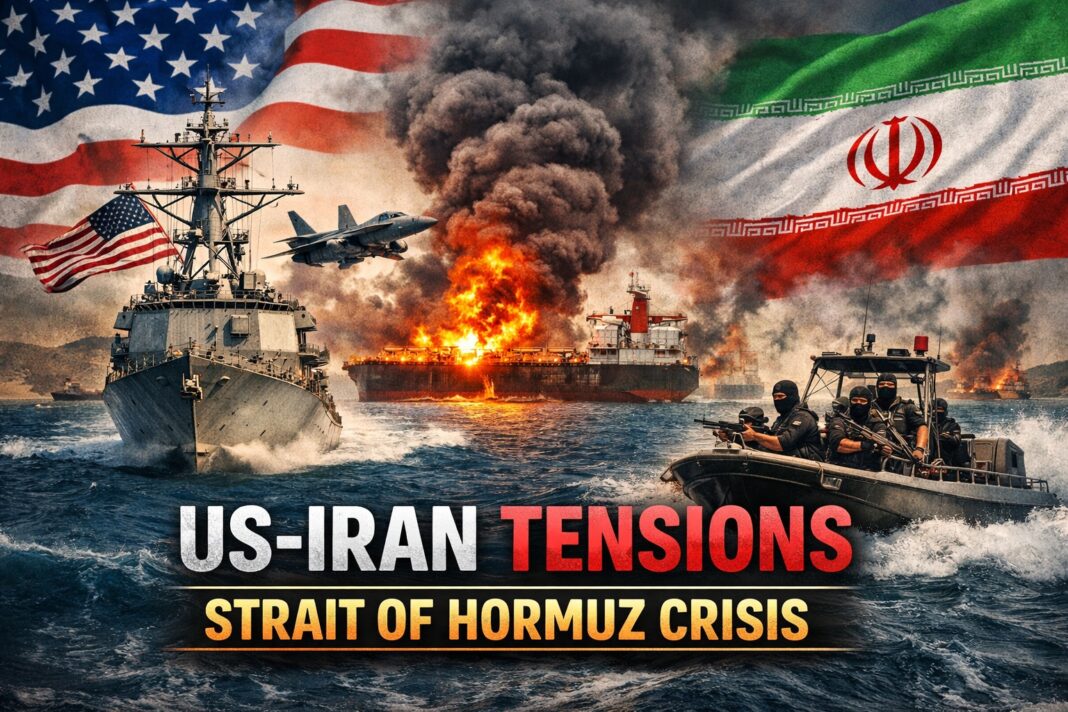
There is currently a marked tension between the United States and Iran in the Persian Gulf. Given the growing maritime press and increased naval activity, concerns about the very stability of this, one of the most important energy corridors in the world, are now being raised. As of the 16th day of April in the year 2026, the situation in the Strait of Hormuz is very delicate still, with all the shipping disruptions and military enforcement operations adding to more regional uncertainty.
The Strait of Hormuz is a narrow, yet very vital waterway that joins the Persian Gulf with the Gulf of Oman and the Arabian Sea. It carries through its waters rough 20 percent of all the oil in the world, shipping in supertankers, thus making it critical to global energy security. Any disruption in the area has immediate implications for the globe, such as spurted oil prices, shipping delays, and increased insurance costs for maritime transport.
New updates revealed that the US has beefed up its naval presence in the area, focusing on the monitoring of maritime traffic while enforcing restrictions on vessels that are part of Iranian trade networks. Although US officials took this to be part of heightened overall security operations to maintain freedom of navigation, this increased activity is largely considered a form of economic and strategic pressure on Iran.
There are reports of commercial ships being boarded, redirected, or warned off in the Strait of Hormuz. Although on paper no naval blockades are declared, these actions of enforcement are creating large amounts of uncertainty in international shipping companies working this area.
Iran was quick to criticize these increased US maritime operations, saying that they were economic oppression and a breach of international law and Persian authorities also consider it very pressing that the US seeks to limit legitimate trade and ratchets up pressure through military means with the aim of undermining Iran’s sovereignty. Tehran further warned that it might react if the situation were to escalate further, at that time maybe putting restraints on shipping in the Hormuz Strait.
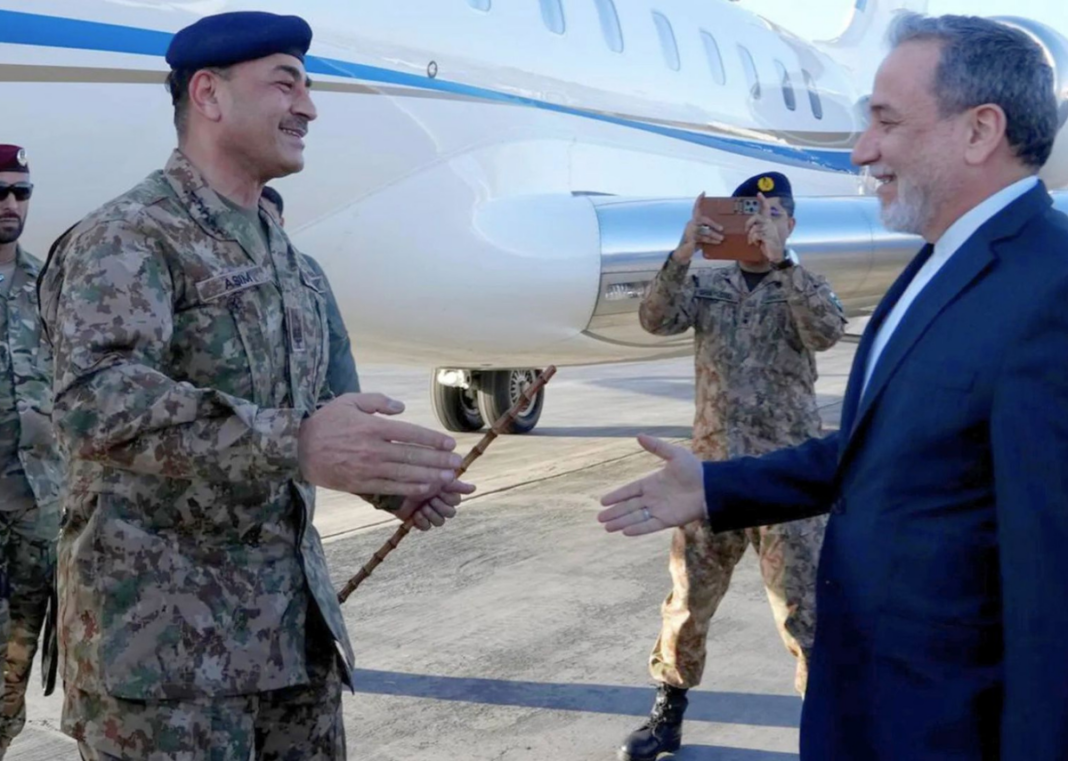
Diplomacy has not, by any means, collapsed at sea in a country witnessing growing tensions between these two countries. Indirect talks, mediated by regional intermediaries, are in progress. Countries behind the scenes felt leading such efforts include Pakistan, Oman, and Qatar among a few others trying to open up the dialogue to avoid things getting out of control.
Even so, these are described as fragile and unpredictable developments by analysts. It’s true that neither side has reasons to break out a full-scale conflict; however, no one trusts the other and the danger of a miscalculation in such a sensitive maritime region is indeed high.
Oil prices have been over the place because people are worried that we might not get as much oil as we need. This is also making it more expensive to ship things through the Gulf. Countries that need to import energy are keeping an eye on what is happening because if there are problems in the Strait of Hormuz for a long time it could affect oil prices and the economy of many countries. Oil prices and the cost of shipping oil through the Gulf are very important to these countries. They are watching the situation, with oil prices very closely.
This is having an impact already on the international markets. It provides clear insight that energy-importing countries are following everything very closely, for a long period of unrest in the Strait of Hormuz would probably lead to very large consequences related to inflation worldwide and growth in the economy.
In Washington and Tehran, the applied clocks of diplomacy are ticking simultaneously; military posturing has climbed but remains below the level of a diplomatic walkout, sometimes a way back down the escalation ladder. What will happen from there is still unknown, and the next few days are going to be critical in settling whether the situation stabilizes or further escalates in one of the most strategic-sensitive places in the world.