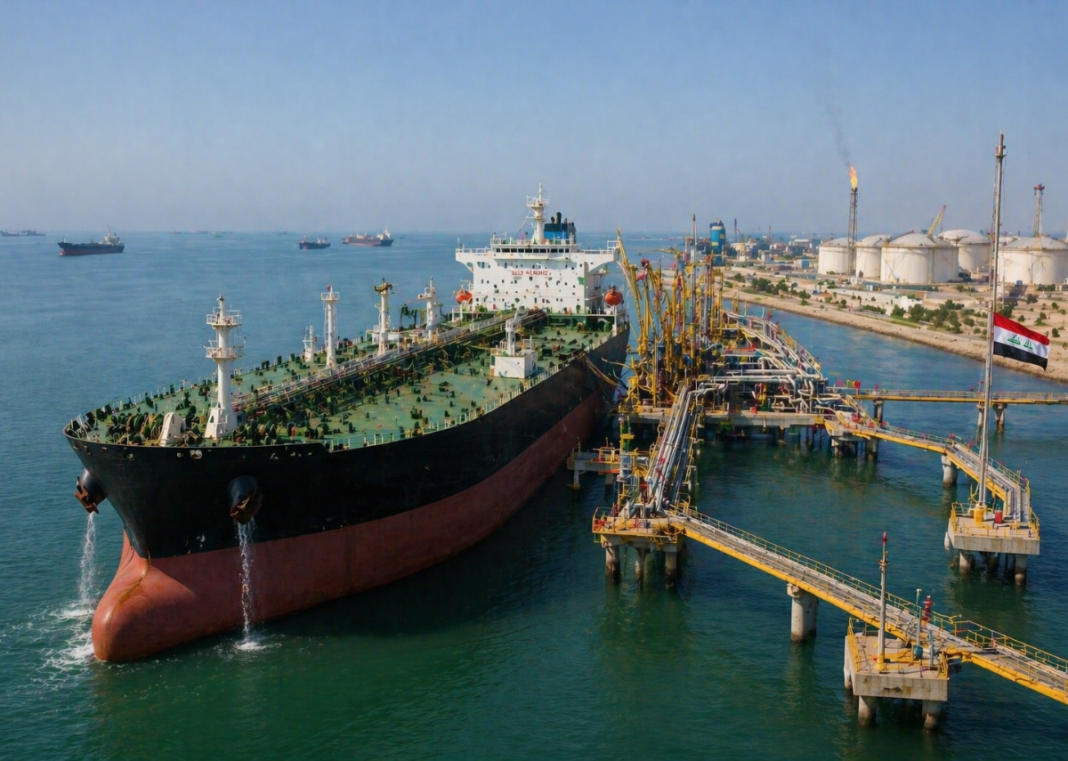
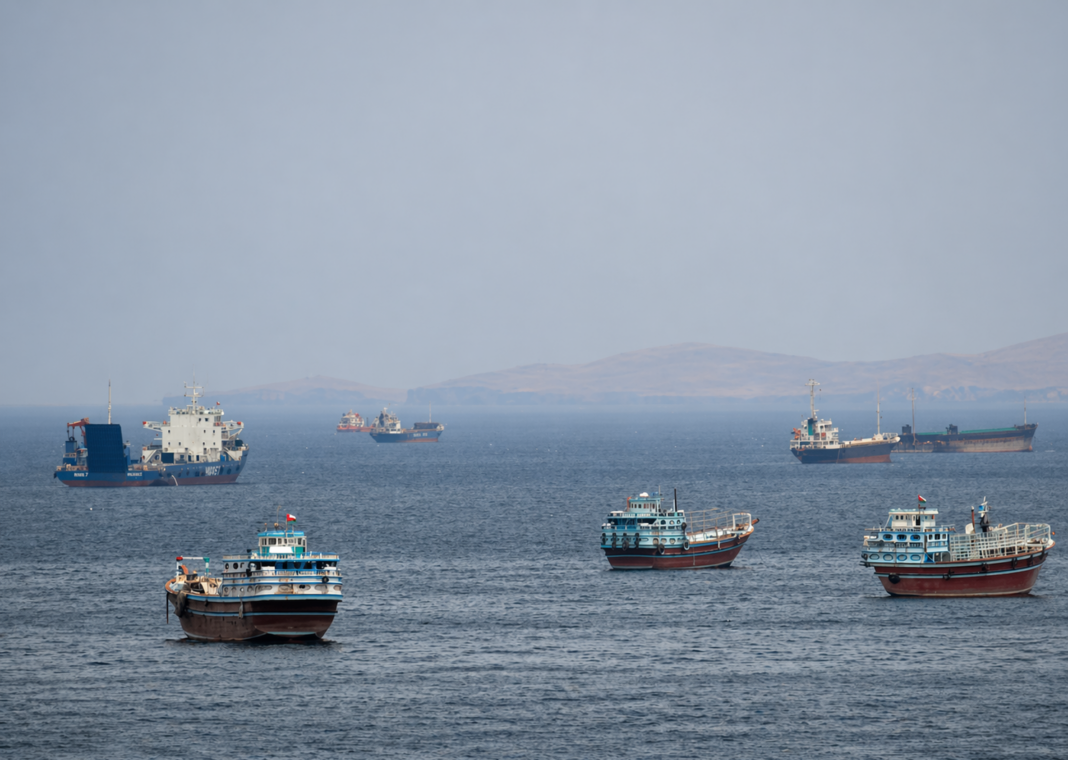

Five ships have gone through the Strait of Hormuz in the last 24 hours. One of these ships is an oil products tanker. The Strait of Hormuz is very important.
There are usually a lot ships passing through the Strait of Hormuz. Normally 140 ships go through the Strait of Hormuz every day. Now the Strait of Hormuz has a lot less ships. This is because of the war between the United States and Iran that started at the end of February.
There is a ceasefire now between Washington and Tehran.. Even with this ceasefire the number of ships passing through the Strait of Hormuz is very low. The Strait of Hormuz is not being used much as it was before the war, between the United States and Iran.
“For most shipping companies, they will need a stable ceasefire and assurances from both sides of the conflict that the Strait of Hormuz is safe to transit,” said Jakob Larsen, chief safety and security officer at shipping association BIMCO.
“In the meantime, shipping will be restricted to using routes close to Iran and Oman. Due to their confined nature, these routes cannot safely accommodate the normal volumes of shipping through the Strait of Hormuz,” Larsen added.
The Iranian-flagged oil products tanker Niki, which is subject to US sanctions, was among the few vessels that sailed out of the strait with no destination listed, Kpler analysis and tracking data on the MarineTraffic platform showed.
The closure of the strait has disrupted a fifth of the world’s oil and liquefied natural gas supplies and triggered a global energy crisis.
A big slowdown in ships going through the Strait of Hormuz over the 24 hours is making people worried about energy security, stability in the region and a bigger crisis. Five ships, including one Iranian oil tanker went through in the past day. This is a drop from the usual 120 to 140 ships that pass through every day.
Strait of Hormuz holds great significance in terms of global energy security. This strait joins Persian Gulf with the Gulf of Oman and Arabian Sea. Most of the worlds oil flows through this strait; thus any disruption in this strait will affect the market immediately.
There’s a lot of tension between Iran and the United States now. The US has naval ships in the area and is controlling the seas strictly. Iran is warning that it might take action like targeting ships or blocking the strait.
Shipping companies are being careful. Many are. Changing their routes to avoid the area. Insurance for ships going through is costing more because its riskier. Some companies are telling their ships to wait in waters.
The fact that one Iranian oil tanker went through shows that some countries are affected differently. Iranian ships might be okay. Foreign ships are not. This could make it harder to resolve the situation.
The energy market is reacting. Even the idea that the strait might be blocked is making oil prices go up. People are worried that if the strait is blocked for a time there won’t be enough oil from countries like Saudi Arabia, Iraq and the United Arab Emirates.
This situation is not about economics; it’s also about geopolitics. The Strait of Hormuz has been a problem spot before with ships being seized and attacks. If things get worse it could lead to a conflict.
The people working on ships in the area are also affected. They are. In danger. If the situation lasts it could disrupt the supply of food, goods and other important things.
So the Strait of Hormuz only had five ships pass through it in one day. This is a deal and it is very worrying. It shows us that one of the important waterways in the world is not very strong. It also shows us how fast problems between countries can cause problems that affect the whole world. As things change, what the main countries and people do. Both in the military and in talks. Will decide if this slow down is a one time thing or if it will become a big problem that lasts a long time and affects a lot of people. The Strait of Hormuz is very important. This slowdown is a concern, for the Strait of Hormuz.