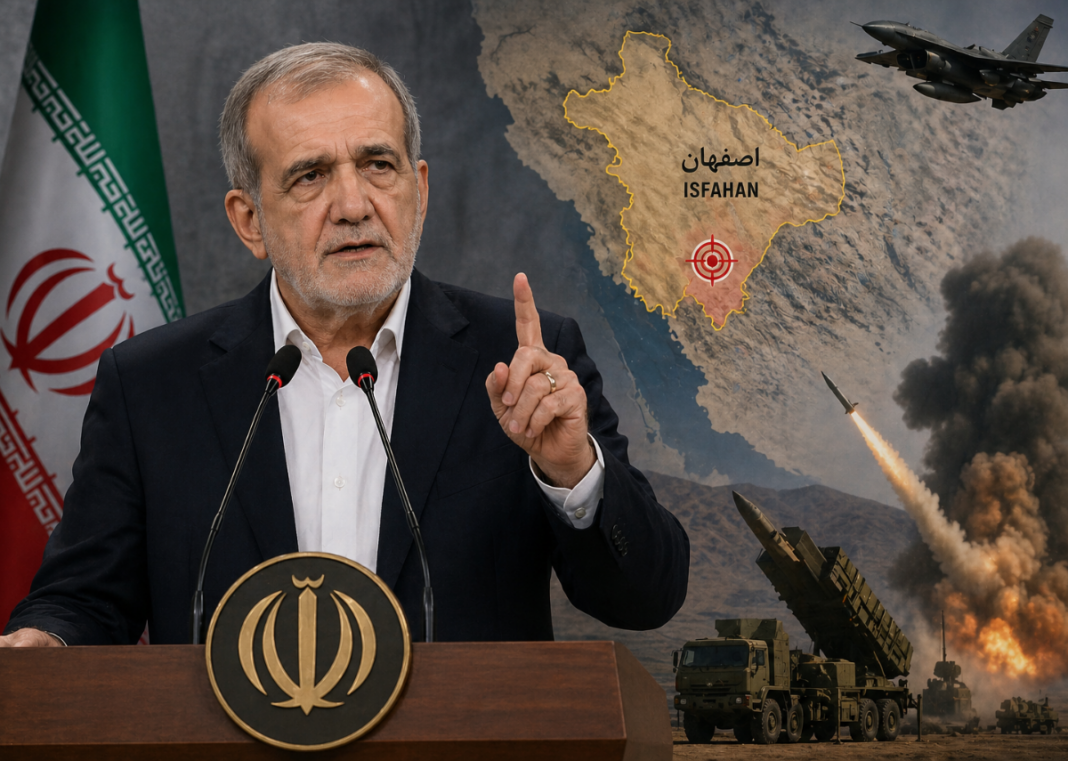
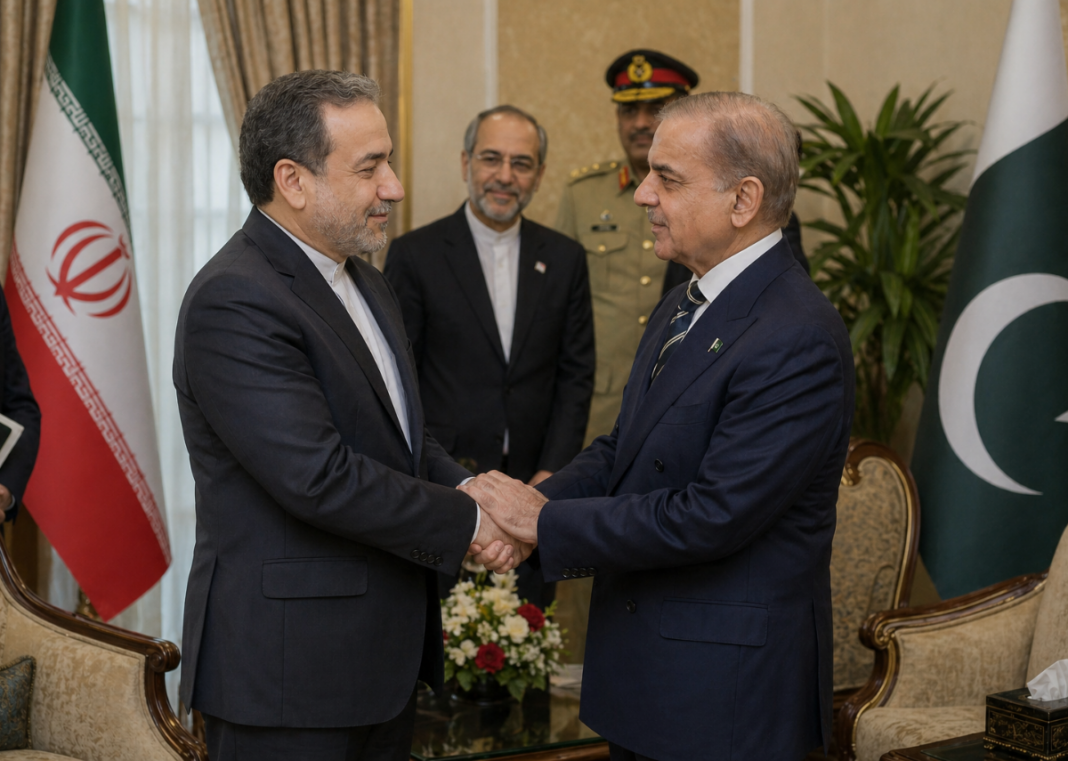

The Iranian Foreign Minister Abbas Araghchi left Islamabad. This is a moment in the changing politics of the Middle East and South Asia. His visit to Pakistan ended without him meeting U.S. Representatives. This shows how complicated the ongoing diplomacy is. The goal is to calm a conflict involving Iran, the United States and their allies.
Background to the Visit
Araghchi went to Islamabad at a time. There was an increase in fighting between Iran and the United States and Israel working together. This caused a lot of instability in the region. The Iran conflict started earlier in 2026. Since then people have been trying to make peace. Pakistan helped to make a ceasefire happen.
Pakistan is a place where a lot of work gets done. It hosted rounds of talks called the Islamabad Talks. These talks were about issues like sanctions, nuclear policy and opening up important water routes like the Strait of Hormuz again. Even though there was some progress the talks did not result in an agreement, between Iran and the United States and Israel. The Islamabad Talks were very important for Iran and the United States and Israel to discuss their differences. Iran and the United States and Israel have been talking about these issues for a time.
Objectives of the Visit
The visit was primarily bilateral. Araghchi consulted with leadership. He did not meet U.S. Representatives. During his stay Araghchi met with Pakistani officials. They discussed security, the status of the ceasefire and conditions for future negotiations.
Iran’s position was clear. It would not engage in discussions with U.S. Representatives under current circumstances. Iran wants negotiations and preconditions. These include the easing of military pressure.
Absence of Direct U.S. Talks
Araghchi went to Islamabad at a time. There was an increase in fighting between Iran and the United States and Israel. This caused a lot of instability in the region. Since the fighting started earlier in 2026 people have been trying to make peace. Pakistan helped to stop the fighting for a while.
Pakistan is a place where a lot of work happens. It hosted rounds of talks called the Islamabad Talks. These talks were about things like sanctions, nuclear policy and opening up waterways like the Strait of Hormuz again. Even though there was some progress the talks did not result in a peace agreement. One thing that stood out about Araghchis visit was that he did not talk to United States representatives. People thought that American representatives would go to Islamabad. Iran said that was not true.
Araghchi left Islamabad without talking to United States counterparts. This shows how apart the two sides are. Tehran said that before they can have any talks the United States needs to do some things first. These things include lifting sanctions and stopping the pressure on Iran. Araghchi and Iran want to see action from the United States before they can make any progress on a peace agreement. The Iran and United States issue is still a problem. The visit from Araghchi to Islamabad was important, for Iran and the United States issue. Iran and the United States need to work to solve the Iran and United States issue.
Diplomatic Significance
The conclusion of Araghchi’s visit without a breakthrough reflects both the challenges and importance of diplomatic efforts. The visit maintained communication channels. It reinforced Pakistan’s position as a mediator.
Pakistan’s involvement is significant. It has location and relationships with both Iran and Western powers. By hosting discussions and facilitating dialogue Islamabad positioned itself as a player.
Broader Regional Context
Araghchi’s departure must be understood within the context of a highly volatile regional environment. The ongoing conflict has had reaching implications. It affects not the Middle East but also global economic and security dynamics.
The situation in the Strait of Hormuz is critical. A significant portion of the world’s oil supply passes through it. Disruptions have led to fluctuations in energy markets.
Strategic Messaging
Araghchi’s. Then his departure have big meanings. By saying no to talks with the United States Iran made its position on negotiations. It wanted to show that it is strong and independent.
The visit helped Iran talk to Pakistan and other countries in the region. These countries include Oman and Russia. There are reports that Tehran might have talks, with them.
Challenges to Peace Efforts
There are still problems with diplomatic efforts. The main issue is that Iran and the United States do not really trust Iran and the United States. Iran and the United States have opinions on things. For example Iran and the United States have ideas about sanctions. Iran and the United States also have thoughts on nuclear policy.
Future Prospects
While Araghchi’s visit did not result in breakthroughs it should not be viewed as a failure. It represents one step in an more complex process of negotiation.
Diplomatic efforts are likely to continue. Pakistan along with mediators is expected to remain actively involved. The possibility of renewed talks between Iran and the United States cannot be ruled out.
The Iranian Foreign Minister Abbas Araghchi is going away from Islamabad. This is a thing. Iranian Foreign Minister Abbas Araghchi went to Islamabad. He did not have any meetings, with the United States. It shows that the Iranian Foreign Minister Abbas Araghchi and others need to keep on talking to each other.
There is still a lot of tension. It is affecting the whole world. So it is very important that countries keep talking to each other. The visit, by Iranian Foreign Minister Abbas Araghchi shows that there are a lot of problems to solve but also some good things that can happen. It gives us an idea of what’s happening with countries and how they are working with each other during a tough time. Iranian Foreign Minister Abbas Araghchi and his visit are an example of this.