
A big argument has started in the United Kingdom. The Palestinian conflict is the reason for this argument. Many academics and important people signed a letter about the Israeli-Palestinian conflict. They are showing their support for the group Palestine Action. The Palestinian conflict is a very sensitive topic. Many people have feelings, about the Israeli-Palestinian conflict. The people who signed the letter are standing up for Palestine Action and the Palestinian conflict is getting a lot of attention because of this.. The letter only had seven words. “We oppose genocide we support Palestine Action”. It has gotten a lot of attention because of what it says and when it was said.
The people who signed the letter include scholars like Neve Gordon from Queen Mary University of London and Yvette Russell from University of Bristol. These scholars are involved in the issue of freedom of expression in the Middle East because they care about what’s happening in the Middle East. They want to talk about the right to protest in countries that are supposed to be fair.
The fact that Neve Gordon and Yvette Russell and other legal scholars are involved makes the discussion about freedom of expression and the right to protest more serious. This is because the discussion is not about politics but it is also about the laws that govern what people can and cannot do in the Middle East.
Freedom of expression is a part of this issue and the scholars are taking it very seriously. The Middle East is a region where freedom of expression and the right to protest’re very important and the scholars want to make sure that people, in the Middle East have these rights.
To understand why this letter is important we need to look at what happened. In 2025 the UK government decided to consider Palestine Action a dangerous organization. Made it against the law to support them. This group is known for doing things to get attention like targeting companies that make weapons and allegedly helping the military. Some people think the group is doing the thing by protesting against companies that they think are doing bad things while others think the group is breaking the law.
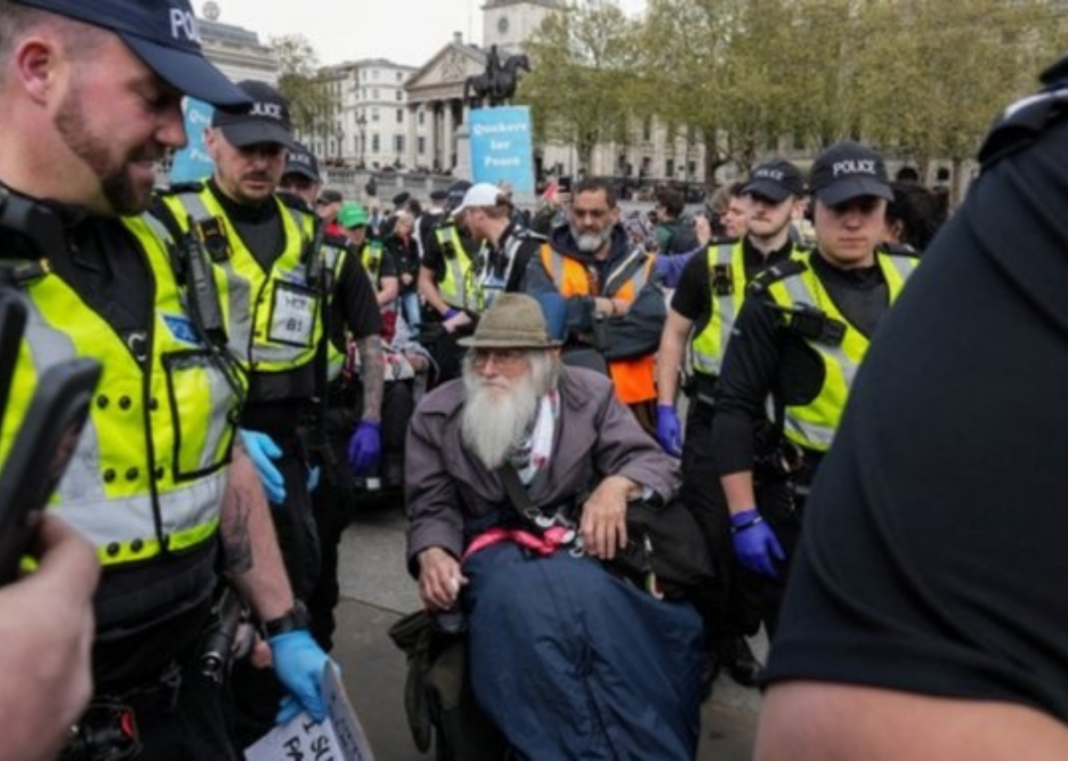
When the government made Palestine Action a proscribed organization it became a crime to be a member support them or even say that you like them. This has made many activists scared. Has led to many legal challenges and campaigns to protect peoples rights. The seven-word letter seems to be a response to this situation. By saying they support Palestine Action, the people who signed the letter might be trying to test the limits of the law or get people to talk about what they think is an attack on speech.
The fact that the letter is so short is a way of making a point. People often use words and complicated sentences. When a message is simple it is easy to understand and it means something. The people who signed the letter are saying something clearly. They are against what they think is genocide. They also support Palestine Action, which the government does not allow. To them supporting Palestine Action is the same as standing up for what they think is right in Palestine. They believe that Palestine Action is doing something. The people who signed the letter want to make it clear that they are, against what’s happening in Palestine and they want to support Palestine Action.
People have different opinions about the letter. Some think it is brave. Shows solidarity and they praise the academics for using their positions to speak out against policies they think are unfair. For many the letter represents a movement in academia to challenge the power of the government and protect the right to protest. Others think the signers are supporting a group that has been called an organization and this raises concerns about whether they are promoting illegal activities.
Law experts have also talked about what might happen to the people involved. According to UK law saying you support a proscribed organization can lead to punishments, including jail time. However it is not clear if the open letter would be considered a crime or if it is protected by free speech laws. This uncertainty has made the letter a test case for what people can. Cannot say in the UK.
Universities are also in the middle of this controversy. Places like Queen Mary University of London and University of Bristol are being asked about freedom and what responsibilities they have. While universities usually support the idea that scholars can express their opinions freely they also have to follow the law and deal with scrutiny. Far most universities have not taken action against the signers and they are saying that they support freedom of thought and debate.
This situation also shows how academia and activism are becoming more connected. For years now scholars have been speaking out on things like climate change and fights between countries. The fact that academics are getting involved in this situation shows how important it is to have people talking about things and helping to decide what our leaders do. This situation also makes you wonder how far academics are willing to go to stand up for what academics think is right. Academics are willing to take a stand. That is something to think about. It is really interesting to see scholars taking a stand on these kinds of things like climate change and it is clear that scholars are very important, in shaping what people talk about and helping to influence what politicians decide and scholars are really making a difference by speaking out on things that matter.
The letter has had an impact in the United Kingdom and also around the world. This is because the Palestinian conflict is a big deal everywhere. It has made people talk about things like protest movements and the Palestinian conflict. For example people are discussing if protest movements related to the Palestinian conflict are okay. They are also talking about how laws against terrorisms’ used in relation to the Israeli-Palestinian conflict. People are wondering what famous people should do during big political problems, like the Israeli-Palestinian conflict. For some people this situation shows how laws in one country can affect solidarity movements.
In the end the seven-word open letter signed by over one hundred academics is more than a statement of opinion. It is an controversial move in an ongoing legal and political fight and it is about free speech, academic freedom and how much power the state should have. Whether it leads to action or remains a symbolic act of protest it has already succeeded in starting a debate about the balance between security and civil liberties, in modern democracies.